Major Annual Festivals by Month: From Nyepi and Galungan to Java’s Grebeg and Sumatra’s Tabuik (when and where to experience them)
- Major Annual Festivals by Month: From Nyepi and Galungan to Java’s Grebeg and Sumatra’s Tabuik (when and where to experience them)
- Understanding Indonesia’s Festival Calendar: Culture Meets Spirituality
- The Festival Journey: Month-by-Month Highlights
- Planning Your Trip: Essential Tips for Experiencing Major Annual Festivals in Indonesia
- คำถามที่พบบ่อย (FAQ)
Indonesia, an archipelago nation built on thousands of islands, boasts a cultural tapestry woven from hundreds of ethnic groups, each contributing vibrant and profound annual celebrations. To truly understand the soul of this dynamic country, one must immerse themselves in its rituals, ceremonies, and festivals. This comprehensive guide details the most significant celebrations, helping you plan your journey around the calendar to witness the **Major Annual Festivals in Indonesia**, from the profound silence of Nyepi in Bali to the historical reenactments of Java’s Grebeg and the awe-inspiring Tabuik procession in Sumatra.
Understanding Indonesia’s Festival Calendar: Culture Meets Spirituality
The Indonesian calendar is unique because it blends national public holidays (often based on the Gregorian calendar) with deeply rooted religious and traditional observances that follow lunar or Saka calendars. This results in a continuous flow of unique events. We categorize these celebrations based on their primary geographical and cultural significance, ensuring you know exactly where to point your compass.
The Diversity of Indonesian Observances
While Hindu ceremonies dominate the Balinese calendar, Java offers grand Islamic-influenced royal celebrations, and Sumatra preserves ancient animistic traditions. For the discerning traveler, navigating these overlapping dates is key to maximizing cultural exposure. We will explore the highlights occurring throughout the year.
The Festival Journey: Month-by-Month Highlights
To provide clarity, here is a structured overview of when and where these landmark events typically occur. Please note that specific dates fluctuate annually based on lunar cycles.
January – March: Quiet Beginnings and Sacred Silence
This period is often marked by the most profound spiritual events, particularly on the Island of the Gods.
Nyepi: The Balinese Day of Silence (March)
Nyepi is arguably Bali’s most significant religious observance. It marks the Balinese Hindu New Year according to the Saka calendar. On this day, the entire island—including the international airport—shuts down for 24 hours. No one is permitted to work, light fires, travel, or even make noise. The goal is self-reflection and purification. Before Nyepi, the captivating Ogoh-Ogoh parades take place, featuring massive, monstrous effigies representing the evil spirits being chased away. Witnessing the airport closure and the eerie silence descend upon the normally bustling island is an unforgettable experience in cultural immersion.
Galungan and Kuningan (Variable, often Feb/March/April)
Closely related to Nyepi, Galungan celebrates the victory of Dharma (good) over Adharma (evil). For ten days, families prepare elaborate offerings and erect ‘penjor’—ornate bamboo poles decorated with coconut leaves—outside their homes. Kuningan concludes the cycle, marked by further offerings and celebrations. These festivals showcase the deep community spirit that defines Balinese life.
April – June: Grand Celebrations and Harvest Rites
As the dry season begins, grander, more public celebrations take center stage, particularly across Java.
Grebeg Maulud (Yogyakarta & Solo, Java)
This festival celebrates the birthday of the Prophet Muhammad (Maulid Nabi). In the royal courts of Yogyakarta (Keraton) and Surakarta (Solo), the event is marked by the preparation of elaborate, towering food displays known as Gunungan, constructed from fruits, vegetables, and traditional snacks. These offerings are paraded through the city streets and eventually distributed to the public, symbolizing blessings from the Sultan to his people. It’s a magnificent display of Javanese artistry and piety.
Waisak / Vesak at Borobudur (May/June)
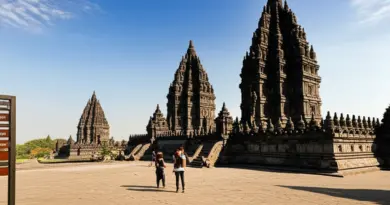
The world’s largest Buddhist temple, Borobudur in Central Java, becomes the epicenter for Waisak, marking the birth, enlightenment, and death of Gautama Buddha. The highlight is the stunning procession of monks carrying fire from the Mrapen Abadi (Eternal Flame) to the temple grounds, culminating in the release of thousands of illuminated paper lanterns into the night sky. This is one of the most visually arresting moments in Indonesian tourism.
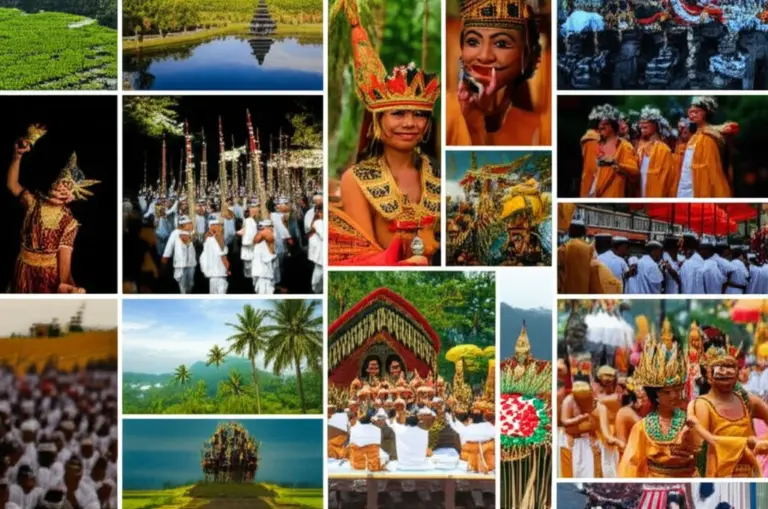
Visual Showcase of Indonesian Culture
To give you a visual preview of the incredible diversity covered in this guide, please watch this compilation of Indonesia’s most spectacular celebrations.
July – September: Regional Uniqueness and Coastal Events
This mid-year period often highlights the distinct cultural heritage found outside Java and Bali.
Tabuik Festival (West Sumatra)
Occurring around the Islamic month of Muharram (Ashura), the Tabuik Festival in Pariaman, West Sumatra, is a powerful Shi’a-influenced commemoration of the martyrdom of Imam Hussein. Local communities spend weeks constructing massive, elaborate structures called Tabuik, shaped like mythical horses or ships. The climax involves parading these structures to the sea, where they are ritually immersed in the waves—a dramatic and deeply moving spectacle that blends local Minangkabau customs with Islamic history.
Tomini Bay Festival (North Sulawesi)
While not strictly religious, this annual event in Gorontalo celebrates the rich marine biodiversity of Tomini Bay. It features vibrant cultural performances, traditional boat races, and showcases of local handicrafts, drawing visitors to one of Indonesia’s most beautiful coastal regions.
October – December: Year-End Festivities and Artistic Showcases
The end of the year sees a mix of national holidays and artistic expressions leading into the New Year.
Planning Your Trip: Essential Tips for Experiencing Major Annual Festivals in Indonesia
Successfully timing your trip requires logistical precision. Here are key considerations for travelers aiming to witness the best of Indonesia’s cultural calendar.
- Check Lunar Dates: For Hindu (Nyepi, Galungan) and Islamic (Tabuik, Grebeg Maulud) events, always confirm the exact Gregorian dates for the specific year you plan to travel, as they shift annually.
- Book Early for Bali: During Nyepi, hotels often impose mandatory minimum stays (3 days/2 nights) and implement specific quiet protocols.
- Respect Local Customs: Especially during religious events like Tabuik or Grebeg, dress modestly and always ask permission before photographing people.
- Transportation Hurdles: Expect delays or cancellations around major travel hubs during large national holidays, as many Indonesians travel home (mudik).
คำถามที่พบบ่อย (FAQ)
Find quick answers regarding the logistics and significance of Indonesia’s cultural calendar.
What is the purpose of Nyepi in Bali?
The purpose of Nyepi is spiritual cleansing and self-reflection, marking the Balinese Hindu New Year. The island observes a strict 24-hour silence to symbolically purify the earth and welcome the new year free from worldly distractions.
Where can I witness the most significant Javanese royal festivals?
The most significant Javanese royal festivals, such as Grebeg Maulud, are primarily held in the ancient Sultanates of Yogyakarta and Surakarta (Solo), centered around the Keraton (palace) grounds.
Is the Tabuik Festival only celebrated in Pariaman?
While the most elaborate and famous Tabuik celebration takes place in Pariaman, West Sumatra, smaller observances related to Ashura traditions can be found in other areas with Minangkabau influence, though Pariaman remains the essential destination for this event.
When is the best time of year to focus on Indonesian tourism for festivals?
Generally, the shoulder months (March/April and September/October) offer a good balance of pleasant weather and major cultural events outside the peak tourist season, though specific highlights like Nyepi or Waisak dictate the absolute best timing for specific interests.
References
- Official Indonesia Tourism Portal
- Yogyakarta Cultural Event Schedules
- Bali Tourism Board Official Site
- Indonesia’s Festivals and Events: A Calendar of Unforgettable Cultural Celebrations
- Why Indonesia’s Festivals Matter: Understanding Cultural Significance, Best Times to Visit, and Regional Highlights
- How to Plan Your Trip Around Festivals: Practical Tips on Tickets, Accommodation, Local Etiquette, and Safety