Island Hopping Logistics and Accommodation Guide: Liveaboards vs Homestays, Day Trips, Transportation Between Islands, and Budgeting Tips
- Island Hopping Logistics and Accommodation Guide: Liveaboards vs Homestays, Day Trips, Transportation Between Islands, and Budgeting Tips
- Navigating the Archipelago: Understanding Indonesian Transportation
- Accommodation Showdown: Liveaboards vs. Homestays
- Essential Logistics Planning for Indonesian Island Hopping
- Mastering Your Indonesia Island Hopping Logistics Guide: Budgeting Tips
- Video: Planning Your Perfect Indonesian Adventure
- คำถามที่พบบ่อย (FAQ)
Indonesia, comprising over 17,000 islands, offers unparalleled diversity, but its sheer scale demands meticulous planning. Unlike centralized European travel, inter-island movement here relies on a mix of traditional ferries, modern fast boats, and sometimes, domestic flights. Success hinges on deciding *how* you want to travel (Liveaboard vs. Homestay) and *how* you plan to move between destinations. Let’s dive into the expert strategies needed to conquer this tropical maze.
Transportation is the backbone of any successful island-hopping itinerary. Relying solely on one method will severely limit your exploration. Flexibility and pre-booking (especially during peak season) are your best allies.
Inter-Island Ferries and Public Boats (The Budget Backbone)
For budget-conscious travelers moving between closely situated islands (like Bali to Lombok or the Gili Islands), public ferries are the most economical choice. These often involve a land transfer to a port, a slow crossing, and then another transfer upon arrival. While slow, they offer an authentic glimpse into local maritime life. Always confirm schedules locally, as online information can be outdated.
Speedboats and Chartered Transfers (For Efficiency)
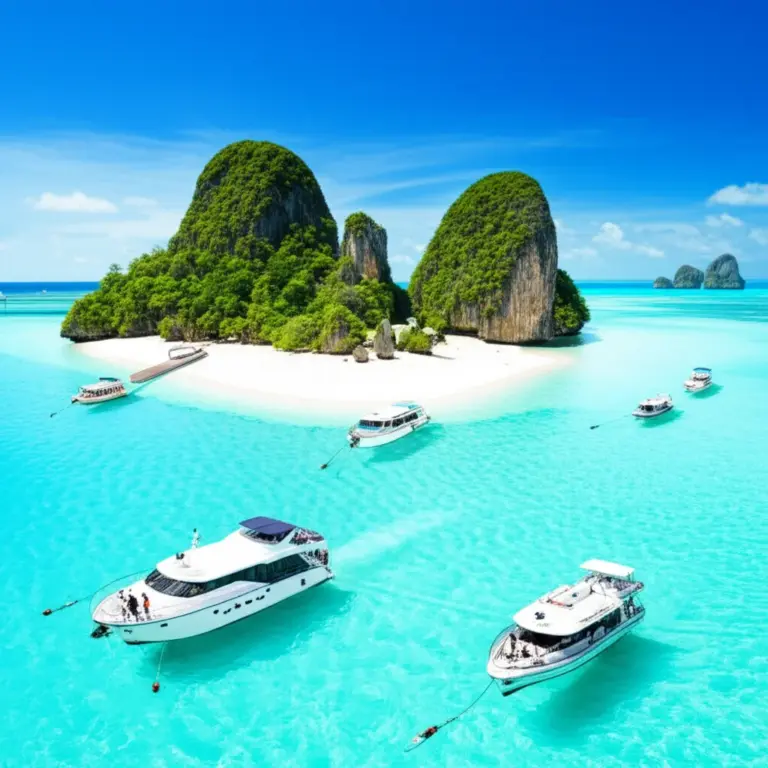
When time is precious, especially when heading to remote spots like the Nusa Islands or the Gilis from Bali, fast boats are essential. These services are significantly more expensive but cut travel time by hours. For ultimate convenience, especially in areas like the Komodo National Park region, chartering a private speedboat for the day or a multi-day trip is often necessary, although this requires a higher budget allocation.
Accommodation Showdown: Liveaboards vs. Homestays
Your choice of accommodation dictates the pace and depth of your experience. Do you prefer continuous movement and diving access, or the rooted experience of local living?
The Liveaboard Experience: Immersion and Convenience
Liveaboards are the definitive choice for dedicated diving or snorkeling expeditions, particularly popular around Komodo or Raja Ampat.
| Pros | Cons |
|---|---|
| Maximum dive time; no daily packing/unpacking. | High upfront cost; confined space; susceptible to seasickness. |
| Access to remote, uncrowded sites. | Limited control over itinerary once underway. |
Homestays and Guesthouses: Local Flavor on a Budget
For travelers focused on cultural immersion and saving money, homestays (or losmen) are ideal. They are abundant on established tourist routes like the Gilis, Flores, and Nusa Lembongan. You gain invaluable local insights, support local economies directly, and usually enjoy simpler, more authentic Indonesian fare.
When to Choose Day Trips Over Extended Stays
If you are based in a major hub like Bali or Lombok and only want a taste of neighboring islands, day trips are efficient. For example, a fast boat to Nusa Penida for snorkeling followed by an evening return to Bali is a popular, low-commitment option. This works best for smaller excursions where overnight stays are not essential for the main activity.
Essential Logistics Planning for Indonesian Island Hopping
Beyond boats and beds, practical administrative steps must be addressed to avoid border holdups.
Visa Requirements and Entry Points
Ensure your passport is valid for at least six months beyond your planned departure date. Many nationalities qualify for Visa on Arrival (VoA) or visa-free entry upon arrival at major international airports (like DPS or CGK). However, if you are island hopping extensively via small local ports, always confirm that the specific port of entry supports your visa status.
Packing Smart for Tropical Island Travel
Lightweight, quick-drying clothing is paramount. You will constantly be moving between humid environments and air-conditioned boats or rooms. Essential gear includes high-SPF reef-safe sunscreen, a dry bag for boat transfers, and universal travel adapters. Remember that laundry services are cheap and widely available, minimizing the need to overpack.
Mastering Your Indonesia Island Hopping Logistics Guide: Budgeting Tips
Indonesia remains affordable, but costs escalate quickly when relying on private transport or high-end resorts. Effective budgeting requires understanding where your money goes.
Estimating Daily Costs (Accommodation, Food, Activities)
A comfortable **backpacker budget** (staying in homestays, eating local warungs, using public transport) can range from 30 USD to 50 USD per day. Mid-range travelers opting for better hotels and occasional private transfers should budget 70 USD to 120 USD per day. Liveaboards, conversely, are a fixed, higher cost, often starting around $150-$250 USD per day depending on the area (Raja Ampat being the priciest).
Saving Strategies (Negotiation, Off-Peak Travel)
Always try to negotiate prices for taxis, local transport, and even some day trips, especially if you are paying in cash. Furthermore, traveling outside the peak European/Australian summer months (July/August) and Christmas/New Year periods can yield significant savings on both flights and accommodation rates. Consider visiting during the shoulder seasons (April–June or September–October).
Video: Planning Your Perfect Indonesian Adventure
Visualizing the flow of island hopping can make logistics much clearer. This video provides excellent insight into navigating popular routes.
คำถามที่พบบ่อย (FAQ)
Find quick answers to the most common logistical hurdles faced by travelers exploring the Indonesian islands.
- What is the best hub for starting island hopping in Indonesia?
Bali (Denpasar/DPS) is the most common starting hub due to excellent international flight connections and easy access to the Gili Islands, Nusa Islands, and Lombok. For eastern exploration, hubs like Labuan Bajo (for Komodo) or Makassar (for Sulawesi/Raja Ampat access) are primary entry points.
- How far in advance should I book fast boats and liveaboards?
For peak season (July, August, December), book fast boats and especially liveaboards 1–3 months in advance. For the shoulder or low season, booking 1–2 weeks out is usually sufficient for short transfers, but liveaboards should still be confirmed early.
- Is it safe to use local currency (IDR) for all island transactions?
Yes, IDR is essential for local markets, warungs, and small transport operators. While hotels and dive shops accept cards, remote islands might only accept cash. Always carry smaller denominations, as ATMs can be scarce or unreliable outside major towns like Bali or Lombok.
-
What is the main difference between a day trip and using a liveaboard for diving?
A day trip limits you to sites accessible within a few hours of your land base, often resulting in crowded dive sites. A liveaboard allows you to travel overnight to remote, pristine locations, maximizing bottom time and providing access to areas unreachable by day-trippers.
References
Official Indonesia Tourism Portal
UK Foreign Travel Advice: Indonesia Entry Requirements
Comparison: Liveaboard vs. Day Trip Diving Logistics
- Raja Ampat Diving and Island Hopping: The Ultimate Adventurer’s Guide to Planning, Exploring, and Staying Safe
- Essential Raja Ampat Overview: Best Time to Visit, How to Get There, Permits, and Recommended Itineraries for Divers and Island Hoppers
- Top Dive Sites and Marine Life Encounters: Detailed Spotlights (Cape Kri, Manta Ridge, Sardine Reef) plus Skill Levels and Seasonal Wildlife