Raja Ampat Diving and Island Hopping: The Ultimate Adventurer’s Guide to Planning, Exploring, and Staying Safe
- Raja Ampat Diving and Island Hopping: The Ultimate Adventurer’s Guide to Planning, Exploring, and Staying Safe
- Why Raja Ampat is the World’s Marine Epicenter
- Planning Your Expedition: Logistics and Timing
- Choosing Your Adventure Style: Liveaboard vs. Resort Stays
- The Unmissable Diving Experiences in Raja Ampat
- Island Hopping Highlights: Beyond the Reefs
- Staying Safe in Paradise: Essential Travel Tips
- คำถามที่พบบ่อย (FAQ)
Welcome to the Coral Triangle’s crown jewel. Planning an expedition to Raja Ampat, West Papua, is the first step toward experiencing the planet’s most biodiverse marine ecosystem. This guide is meticulously crafted for the serious adventurer, detailing everything needed for successful **Raja Ampat Diving and Island Hopping**, ensuring your journey into this remote paradise is both breathtaking and safe.
Why Raja Ampat is the World’s Marine Epicenter
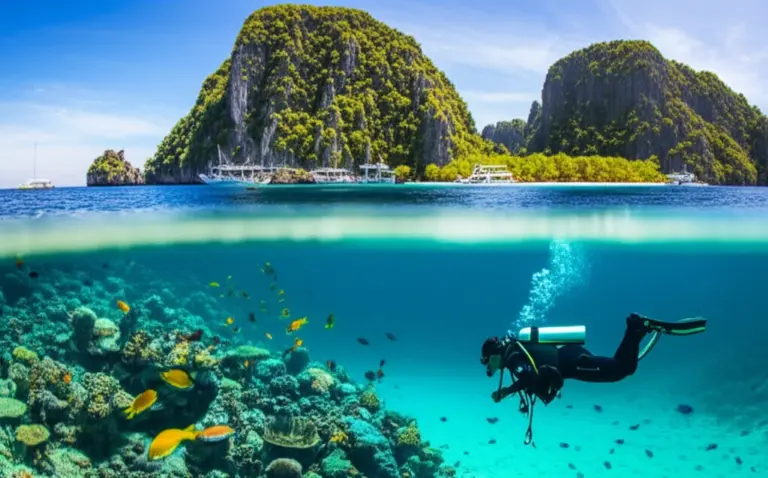
Raja Ampat, meaning ‘Four Kings,’ comprises over 1,500 small islands, cays, and shoals surrounding the four main islands of Misool, Salawati, Batanta, and Waigeo. Its reputation isn’t hype; scientific surveys confirm it hosts 75% of the world’s coral species and over 1,500 species of reef fish. For divers, this translates into unparalleled encounters with manta rays, wobbegong sharks, pygmy seahorses, and macro life found nowhere else. Beyond the depths, the karst formations and emerald waters offer some of the most dramatic island scenery on Earth.
Planning Your Expedition: Logistics and Timing
Logistics here require foresight. Getting to Raja Ampat is an adventure in itself, typically involving a flight to Sorong (SOQ), followed by a ferry to Waisai (the administrative capital of Raja Ampat), or direct charter boat access depending on your chosen itinerary.
Essential Permits and Fees
Before you even pack your fins, understand the financial commitment to conservation. All visitors must purchase a Marine Park Entry Permit (PIN). This fee supports local conservation efforts and is mandatory. You purchase this upon arrival in Sorong or Waisai.
The Best Time to Dive and Explore
While Raja Ampat is a year-round destination, the peak season runs from October to April. During these months, the seas are generally calmer, providing excellent surface conditions ideal for island hopping and better underwater visibility. The wet season (May to September) sees more rain and choppier waters, but this period often brings lower prices and fewer crowds, sometimes coinciding with specific pelagic migrations.
Choosing Your Adventure Style: Liveaboard vs. Resort Stays
Your choice of accommodation dictates your experience. Both liveaboards and land-based resorts offer unique advantages for exploring the archipelago.
| Feature | Liveaboard | Resort/Homestay |
|---|---|---|
| Site Access | Access to remote, world-class sites (e.g., central Raja Ampat). | Limited to sites within a few hours’ boat ride of the base island. |
| Flexibility | High dive density, fixed itinerary. | High flexibility for non-diving days and island hopping. |
| Cost | Higher initial cost, but often better value per dive. | Lower initial cost, but day trips add up quickly. |
The Unmissable Diving Experiences in Raja Ampat
This is why you came. The diving here is characterized by nutrient-rich upwellings, resulting in massive schools of fish and vibrant soft coral coverage. Mastering the currents is part of the thrill.
Top 5 Dive Sites You Cannot Miss
- Cape Kri: Famous for holding the world record for the highest number of species recorded on a single dive. Expect large pelagics and dense schools of fish.
- Manta Sandy (or Manta Ridge): A cleaning station where Oceanic Manta Rays congregate regularly. A truly humbling experience.
- Boo Windows (Misool): Dive through dramatic swim-throughs carved into the reef, illuminated by shafts of sunlight.
- Melissa’s Garden: A protected site known for its pristine, table coral gardens and macro life.
- Blue Magic: A submerged pinnacle where currents attract hammerheads, barracuda, and large schools of jacks.
To fully appreciate the scope of Raja Ampat, be prepared for varied conditions. Some sites require advanced buoyancy control due to strong currents, while others are calm drift dives. Always listen closely to your dive guide; they are experts in reading the tides and currents specific to these islands.
Experience the Magic Underwater
Island Hopping Highlights: Beyond the Reefs
The surface world of Raja Ampat rivals its underwater splendor. Island hopping is essential to grasp the sheer scale and beauty of the limestone karsts jutting out of the turquoise sea.
Conquering the Pianemo and Wayag Viewpoints
These two viewpoints are the postcard images of Raja Ampat. Pianemo, often called ‘Mini Wayag,’ is more accessible and features a boardwalk climb leading to a spectacular panorama of mushroom-shaped islets. Wayag, while more remote and requiring longer boat travel, offers the definitive, sprawling view of hundreds of islets. Reaching Wayag often requires a challenging climb, reserved for those truly committed to the adventure.
Exploring Hidden Beaches and Local Villages
Take time to visit a local village, perhaps on Gam or Arborek. These interactions offer insight into the Papuan way of life centered around the ocean. You can often purchase handmade crafts or simply enjoy the genuine hospitality. Don’t miss finding a deserted white-sand beach for a quiet afternoon away from the dive boats.
Staying Safe in Paradise: Essential Travel Tips
While the environment is stunning, remote travel demands respect and preparation. Ensure your travel insurance covers diving activities and emergency evacuation from remote areas of West Papua. Always carry adequate cash, as ATMs are scarce outside of Waisai. Sun protection is paramount; the equatorial sun is intense, so high SPF, rash guards, and wide-brimmed hats are non-negotiable.
คำถามที่พบบ่อย (FAQ)
Here are answers to common questions regarding your Indonesian adventure.
What is the best time of year for Raja Ampat diving?
The best time is generally October through April, when seas are calmer and visibility is excellent, though diving is possible year-round.
Do I need a special permit to visit Raja Ampat?
Yes, all visitors must purchase a Marine Park Entry Permit (PIN) upon arrival, valid for one year, to support local conservation.
Is Raja Ampat better for liveaboard or resort diving?
Liveaboards offer access to more remote sites, while resorts provide more flexibility for island hopping and surface activities. It depends on your priority.
How safe is it for solo travelers?
Raja Ampat is generally very safe, but standard precautions regarding boat travel and remote locations should always be observed, especially regarding weather changes.
References
- Essential Raja Ampat Overview: Best Time to Visit, How to Get There, Permits, and Recommended Itineraries for Divers and Island Hoppers
- Top Dive Sites and Marine Life Encounters: Detailed Spotlights (Cape Kri, Manta Ridge, Sardine Reef) plus Skill Levels and Seasonal Wildlife
- Island Hopping Logistics and Accommodation Guide: Liveaboards vs Homestays, Day Trips, Transportation Between Islands, and Budgeting Tips