Top Dive Sites and Snorkeling Spots in Raja Ampat: Manta Rays, Coral Gardens, and Beginner-Friendly Reefs
- Top Dive Sites and Snorkeling Spots in Raja Ampat: Manta Rays, Coral Gardens, and Beginner-Friendly Reefs
Introduction: Why Raja Ampat is the Global Epicenter of Marine Life
Located off the northwestern tip of the Bird’s Head Peninsula in West Papua, Indonesia, Raja Ampat is a sprawling archipelago of over 1,500 small islands, cays, and shoals surrounding the four main islands: Waigeo, Batanta, Salawati, and Misool. Its global reputation stems from unparalleled species richness—scientists have recorded over 75% of the world’s known coral species here. Whether you are a seasoned technical diver or a first-time snorkeler, this region offers world-class encounters, from massive pelagics like Oceanic Manta Rays to macro wonders hiding in the kaleidoscopic reefs.
The geography of Raja Ampat dictates dive experiences. Access is usually via Sorong (SOQ), followed by a boat transfer. Your itinerary will generally focus on one or two of the four main sectors, each offering a distinct flavor of marine ecology.
The Northern Hub: Dampier Strait (Manta Hotspots)
The Dampier Strait, situated between Waigeo and Batanta, is famous for its nutrient-rich currents. These currents attract large schools of fish and, crucially, the majestic Manta Rays. While currents can be strong, the payoff is immense biodiversity and reliable encounters with manta aggregations.
The Southern Jewel: Misool Marine Protected Area (Coral Gardens)
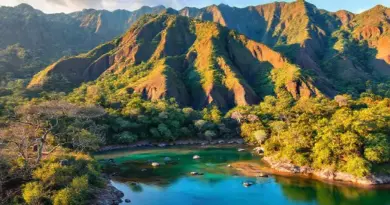
Misool is often cited as the pinnacle of Raja Ampat diving. Protected fiercely by local conservation efforts, the corals here are arguably the healthiest and most vibrant on the planet. Expect staggering wall dives, bommies teeming with life, and dramatic limestone karst formations both above and below the water.
Central & Eastern Wonders: Batanta and Waigeo
These central islands offer a mix of diving experiences, often featuring gentler drift dives and excellent macro photography opportunities. They serve as excellent transition zones when moving between the northern and southern sectors on a liveaboard trip.
Must-Visit Dive and Snorkel Sites in Raja Ampat
To truly experience the best this region offers, certain sites are non-negotiable. Here is a selection of the most renowned locations for divers and snorkelers alike.
Manta Ridge & Manta Sandy (The Manta Ray Experience)
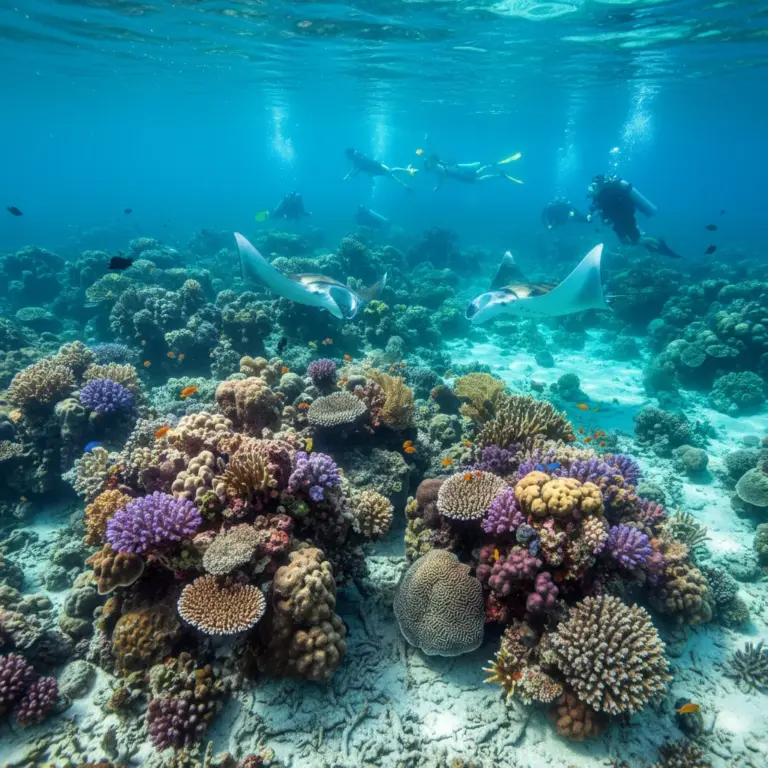
These sites in the Dampier Strait are legendary cleaning stations. Divers hover patiently while giant Oceanic Manta Rays (and sometimes Reef Mantas) glide overhead, allowing cleaner wrasse to attend to their skin. For snorkelers, Manta Sandy offers a shallow ledge where mantas frequently visit, providing an unforgettable surface interaction. This is a top priority for any visitor seeking Top Dive Sites and Snorkeling Spots in Raja Ampat.
Cape Kri (Biodiversity Record Holder)
Holding the record for the highest number of species recorded on a single dive (over 370 species documented!), Cape Kri is a pinnacle dive. Expect strong currents flowing over a sloping reef wall, attracting huge schools of jacks, barracuda, and various shark species. Advanced buoyancy control is essential here.
Boo Windows & Jellyfish Rock (Unique Formations)
Misool is home to sites like Boo Windows, where divers swim through natural archways carved into the reef, offering incredible light beams and unique perspectives. Jellyfish Rock, another Misool gem, features soft corals swaying in the current, often hosting small Wobbegong sharks resting on the sand.
Melissa’s Garden (Snorkeler’s Paradise)
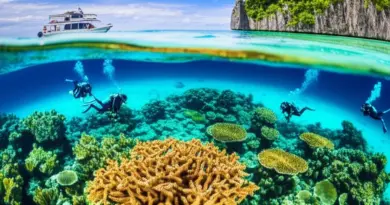
If you are primarily snorkeling, Melissa’s Garden is a must-see. This site features a shallow, sloping reef top covered in pristine, colorful soft corals that are easily viewable just below the surface. It’s an accessible blast of color without needing deep dives or strong currents.
Beginner-Friendly Reefs and Snorkeling Spots
While Raja Ampat is known for challenging drifts, many resorts and homestays offer sheltered, shallow sites perfect for those new to the water or new to diving.
Shallow Reefs Near Resorts
Many dive operators on Waigeo and Batanta have house reefs accessible directly from the jetty. These areas are often protected from strong currents and are teeming with juvenile fish, nudibranchs, and colorful anemones. Always check with your local host about current conditions, but generally, these spots are ideal for acclimatizing.
To fully grasp the scale and beauty of this underwater world, seeing it in action is essential. Pay close attention to the currents, as they dictate the health of these nutrient-rich ecosystems.
Best Time to Visit Raja Ampat
The ideal time to visit Raja Ampat is generally considered to be during the dry season, from **October to April**. During these months, visibility is typically excellent (often exceeding 30 meters), and the seas are calmer, making boat transfers easier. However, the rainy season (May to September) brings more plankton, which attracts larger numbers of filter feeders like Manta Rays, especially in the Dampier Strait.
Essential Tips for Responsible Exploration
As a hub of global marine biodiversity, responsible tourism is paramount. Following these guidelines ensures that the Top Dive Sites and Snorkeling Spots in Raja Ampat remain pristine for future generations.
- Never Touch Anything: Corals are fragile. Maintain neutral buoyancy and keep a respectful distance from all marine life, especially Manta Rays.
- Pack It In, Pack It Out: Support operators committed to zero-plastic policies. Do not leave any waste on the islands or jetties.
- Pay Your Park Fees: The Raja Ampat Marine Park Entry Permit (PIN) is mandatory and funds local conservation efforts. Ensure your tour operator handles this correctly.
คำถามที่พบบ่อย (FAQ)
References
For further reading on the biodiversity and conservation efforts in this critical region, please consult the following resources:
- The Raja Ampat Archipelago: The Ultimate Guide to Island Hopping, Diving Spots, and Marine Wildlife Encounters
- Planning Your Raja Ampat Island-Hopping Itinerary: Best Routes, Seasonal Timing, and How Many Days to Spend
- Wildlife Spotting and Biodiversity in Raja Ampat: What Marine Species to Expect, Birdlife, and Responsible Wildlife Viewing