How to Find and Book Authentic Longhouse Stays: Local Hosts, Trusted Operators, and Fair Pricing
For the intrepid traveler seeking more than just a hotel room, authentic longhouse stays offer a profound window into the soul of Indonesia’s indigenous cultures. Primarily found in the heart of Kalimantan (Indonesian Borneo), these communal dwellings are the architectural and social backbone of the Dayak people. Booking such an experience, however, requires a blend of research, cultural sensitivity, and an understanding of local logistics to ensure your visit supports the community ethically.
Understanding the Longhouse Experience in Indonesia
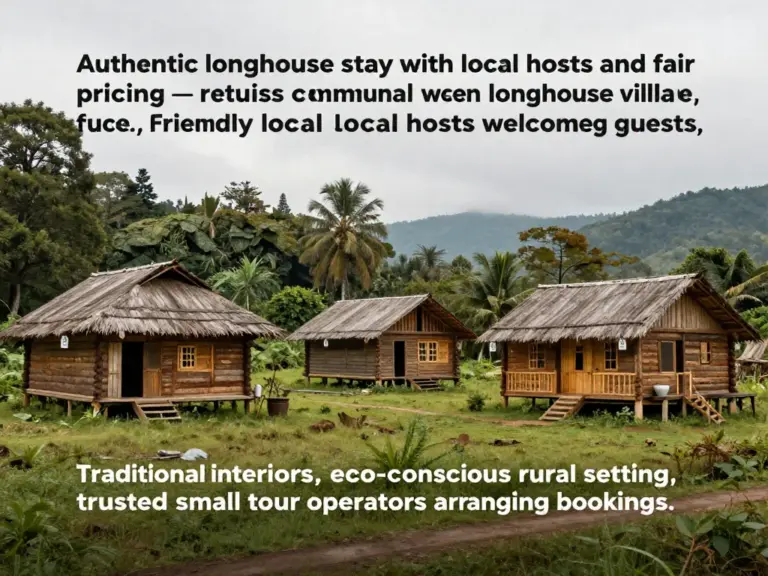
A longhouse, or betang in Central Kalimantan, is a massive wooden structure built on stilts that houses dozens of families under one roof. When you seek authentic longhouse stays, you aren’t just booking a bed; you are entering a living community. You will likely share meals, witness traditional ceremonies, and learn about the intricate relationship the Dayak people maintain with the rainforest.
How to Find Local Hosts for Authentic Longhouse Stays
Finding a host involves moving beyond the digital world. While some tech-savvy community leaders are appearing on social media, the most reliable methods include:
- Community-Based Tourism (CBT) Networks: Look for organizations like the Indonesian Community Based Tourism Network (ASIDEWI). They specialize in connecting travelers with villages that are prepared for guests.
- Regional Tourism Offices: In cities like Palangkaraya or Pontianak, the local Dinas Pariwisata (Tourism Office) can often provide a list of registered villages that offer homestays.
- Direct Outreach: Using platforms like Instagram or Facebook to find local guides from the specific Dayak sub-tribe you wish to visit (e.g., Ngaju, Iban, or Kenyah).
Identifying Trusted Operators and Sustainable Tourism
If you prefer a pre-arranged tour, choosing a trusted operator is vital. A good operator ensures that a significant portion of your fee goes directly to the longhouse residents and not just the agency. Look for operators who emphasize ‘Slow Travel’ and ‘Cultural Preservation’ over ‘Human Zoo’ style tourism.
| Criteria | What to Look For |
|---|---|
| Direct Contribution | The operator should be transparent about how much goes to the village fund. |
| Group Size | Smaller groups (2-6 people) minimize the social impact on the community. |
| Guide Expertise | Guides should ideally be from the local community or have long-standing ties to it. |
Fair Pricing: What to Expect and Where the Money Goes
When booking authentic longhouse stays, pricing can vary wildly. A fair price usually covers accommodation, three local meals a day, and a contribution to the community’s general maintenance fund. In Indonesia, expect to pay anywhere from 300,000 IDR to 800,000 IDR per night for a basic homestay experience, excluding transportation to the remote location.
Cultural Etiquette and Preparation
Entering a longhouse is entering someone’s home. To ensure your stay is respectful, follow these guidelines:
- Remove Shoes: Always leave your footwear at the entrance of the longhouse gallery.
- Ask Before Photos: Never take photos of residents, especially elders or during rituals, without explicit permission.
- Small Gifts: Bringing useful items like coffee, tea, or school supplies for the village children is highly appreciated. Avoid giving candy or money directly to children.
- Modest Dress: Dress conservatively to respect the local customs of the village.
คำถามที่พบบ่อย (FAQ)
Q: Are longhouse stays comfortable?
A: They are authentic, which means basic. You will likely sleep on a mattress on the floor with a mosquito net. Facilities are communal and may include a traditional ‘mandi’ (bucket bath).
Q: How do I handle the language barrier?
A: While some younger residents may speak basic English, most communication will be in Bahasa Indonesia or a local Dayak dialect. Hiring a local translator-guide is highly recommended.
Q: Is it safe to travel to remote longhouses?
A: Generally, yes. The biggest risks are logistical (boat or road delays) and health-related (malaria/dengue). Always use a reputable guide and ensure you have travel insurance.
References
- Official Indonesia Tourism Portal
- ASIDEWI – Indonesian Community Based Tourism
- UN Tourism – Sustainable Development Goals