Wildlife Spotting and Biodiversity in Raja Ampat: What Marine Species to Expect, Birdlife, and Responsible Wildlife Viewing
- Wildlife Spotting and Biodiversity in Raja Ampat: What Marine Species to Expect, Birdlife, and Responsible Wildlife Viewing
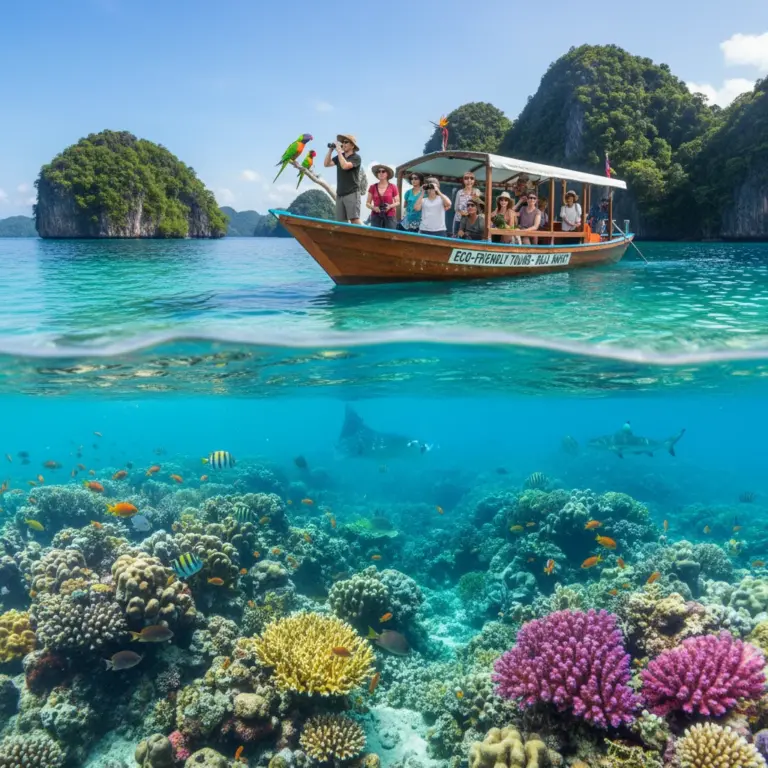
Raja Ampat, or ‘Four Kings,’ comprises over 1,500 small islands, cays, and shoals surrounding the four main islands of Misool, Salawati, Batanta, and Waigeo. While the islands themselves are stunning, the true spectacle lies beneath the surface. Scientists estimate that 75% of the world’s coral species and over 1,500 species of reef fish call these waters home. For the dedicated traveler, preparation is key to maximizing sightings of both the majestic giants and the delicate, endemic creatures that thrive here.
The Epicenter of Marine Biodiversity: Diving and Snorkeling in Raja Ampat
The sheer density and diversity of marine life make diving and snorkeling the primary activities here. Visibility often exceeds 30 meters, allowing for breathtaking views of thriving ecosystems untouched by mass tourism, thanks to stringent conservation efforts. Navigating the currents between the islands reveals distinct habitats, each supporting unique congregations of species.
The Big Five of the Reef: Iconic Marine Encounters
When preparing for your underwater excursions, certain large pelagics dominate the wish list. Encountering these creatures requires patience and often specific dive sites known for their feeding or cleaning stations.
- Manta Rays: Raja Ampat is famous for its populations of both Reef Mantas ( *Mobula alfredi*) and Giant Oceanic Mantas ( *Mobula birostris*). Manta Sandy and Manta Ridge are prime locations where you can observe them gracefully feeding or queueing up at underwater cleaning stations.
- Sharks: While not always guaranteed, the presence of various shark species—including Blacktip, Whitetip, and Grey Reef Sharks—is common, particularly around drop-offs and deeper channels.
- Tunas and Barracudas: Large schools of these fast-moving predators often aggregate in areas with strong currents, creating spectacular, swirling bait balls that attract larger hunters.
Macro Marvels and Endemic Wonders
For those who prefer the small and strange, Raja Ampat delivers world-class macro photography opportunities. These species are often endemic, meaning they are found nowhere else on Earth.
| Species | Where to Find Them | Significance |
|---|---|---|
| Pygmy Seahorses (Bargibanti & Pontohi) | Camouflaged on specific gorgonian sea fans. | Extremely tiny, highly specialized camouflage. |
| Wobbegong Sharks | Resting on sandy bottoms or coral rubble. | Carpet sharks known for their flattened bodies. |
| Walking Sharks (Epaulette Shark) | Shallow reefs, often seen ‘walking’ on fins. | An endemic species demonstrating unique locomotion. |
Witnessing the vibrant underwater world firsthand is the pinnacle of Raja Ampat wildlife viewing.
Above the Waves: Unforgettable Birdlife and Terrestrial Sightings
While the oceans steal the spotlight, the dense, primary rainforests covering the islands of Waigeo and Batanta are home to some of the most spectacular avian life on the planet. Birding in West Papua requires early starts, often before dawn, to catch the main courtship displays.
The Elusive Birds of Paradise
The crown jewel of terrestrial wildlife spotting is undoubtedly the Birds of Paradise. These birds evolved in isolation, resulting in dramatic sexual dimorphism and incredible mating rituals. The most sought-after species are:
- Wilson’s Bird of Paradise (*Cicinnurus respublica*): Found primarily on Waigeo and Batanta, the male possesses an electric blue crown (skin) and vibrant tail feathers. Viewing requires hiring a local guide who knows the specific ‘lek’ sites where the males perform their elaborate dances at sunrise.
- Red Bird of Paradise (*Paradisaea rubra*): Famous for its long, red plumes, this species is often seen in the canopy of the taller trees.
To aid your journey into this incredible ecosystem, here is a short visual overview of the region’s natural wonders.
Mammals and Reptiles of the Islands
While less prominent than the fish and birds, visitors might spot endemic cuscus possums, various fruit bats, and monitor lizards. Keep an eye out near shorelines for sea turtles nesting or foraging, especially Green and Hawksbill turtles.
Responsible Wildlife Viewing: Protecting Raja Ampat’s Future
The future of Raja Ampat’s unparalleled biodiversity hinges entirely on sustainable tourism practices. As visitors, we have a profound responsibility to ensure our presence does not degrade the very environment we travel thousands of miles to see. Responsible tourism is not optional here; it is mandatory for continued conservation success.
Guidelines for Divers and Snorkelers
Adhering to strict ‘look but don’t touch’ rules is paramount. This applies especially to delicate corals and marine animals like pygmy seahorses, which can be easily stressed or damaged.
- Buoyancy Control: Master your buoyancy. Kicking up sediment smothers corals, and touching the reef can transfer harmful oils or damage polyps.
- Manta Etiquette: Maintain a respectful distance from feeding mantas. Never chase them or attempt to swim directly over them, which can interrupt their feeding patterns.
- No Feeding: Never feed fish or other marine life. This disrupts natural feeding behaviors and can lead to aggression or dependency.
Supporting Local Conservation Efforts
Choose dive operators and homestays that actively participate in local conservation initiatives, such as managing marine protected areas (MPAs) or supporting local ranger programs. Your tourism dollars should directly benefit the communities safeguarding this natural treasure. Look for operators who promote low-impact diving and use mooring buoys instead of anchors.
Essential Tips for Optimal Wildlife Spotting
To optimize your chances of incredible sightings during your Raja Ampat wildlife viewing adventure, consider the following logistical points:
Generally, October through April offers calmer seas and better visibility, though the transition months (April/May and September/October) can sometimes offer unique current patterns favorable for large pelagics.
While Misool is famous for its karst landscapes, areas like Wayag and Penemu offer iconic views, and specific dive sites like ‘The Passage’ (between Waigeo and Gam) offer unique channel diving experiences teeming with life.
Raja Ampat is a destination that demands respect and rewards patience. By focusing on responsible practices, you ensure that the world’s greatest marine ecosystem remains vibrant for generations of nature enthusiasts to come.
คำถามที่พบบ่อย (FAQ)
References
The Coral Triangle Center Initiative.
BirdLife International on West Papua Endemics.
WWF Guide to Raja Ampat Biodiversity.
- The Raja Ampat Archipelago: The Ultimate Guide to Island Hopping, Diving Spots, and Marine Wildlife Encounters
- Planning Your Raja Ampat Island-Hopping Itinerary: Best Routes, Seasonal Timing, and How Many Days to Spend
- Top Dive Sites and Snorkeling Spots in Raja Ampat: Manta Rays, Coral Gardens, and Beginner-Friendly Reefs