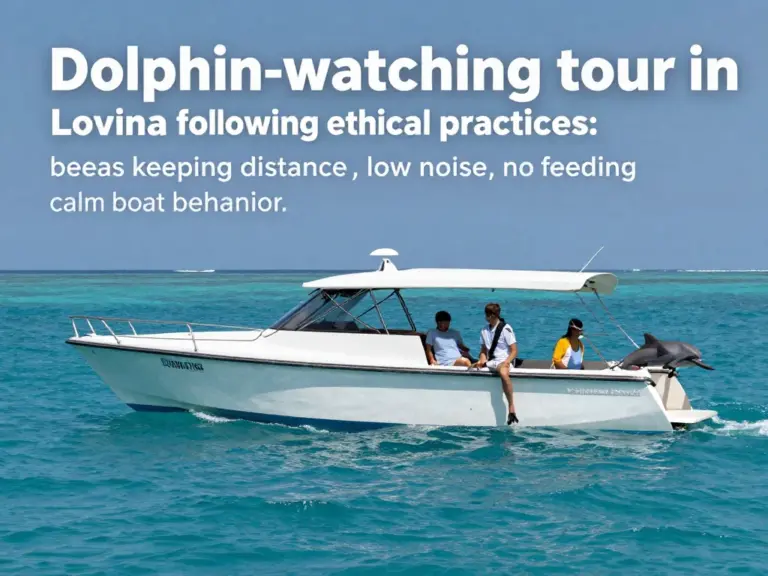
What ethical practices should visitors follow during dolphin tours in Lovina to minimize disturbance (distance, noise, no feeding, boat behavior)?
- What ethical practices should visitors follow during dolphin tours in Lovina to minimize disturbance (distance, noise, no feeding, boat behavior)?
Lovina Beach, situated on the serene northern coast of Bali, is a premier destination for travelers seeking the magical experience of seeing dolphins in their natural habitat. As sunrise paints the sky, dozens of traditional outrigger boats (jukung) head out to meet the resident pods of Spinner and Spotted dolphins. However, the increasing popularity of these tours has raised significant concerns regarding the welfare of the marine mammals. To ensure that this unique attraction remains sustainable, it is imperative that visitors understand and demand ethical practices during dolphin tours in Lovina. By following specific guidelines regarding distance, noise, and boat behavior, tourists can help minimize disturbance and protect the delicate marine ecosystem of Indonesia.
The Importance of Maintaining a Safe Distance
One of the most critical ethical practices during dolphin tours in Lovina is maintaining a respectful distance. Dolphins are highly sensitive to physical proximity. When boats get too close, it can cause stress, separate mothers from their calves, and interrupt essential social behaviors. Experts recommend a minimum distance of 50 to 100 meters. Visitors should discourage their boat captains from ‘crowding’ the dolphins. If a pod is already surrounded by several boats, an ethical visitor will ask their guide to wait further back or move to a different area to avoid adding to the pressure on the animals.
Responsible Boat Behavior and Maneuvering
The way a boat is operated significantly impacts the dolphins’ stress levels. Ethical boat behavior involves approaching the dolphins from the side, never from the front (which blocks their path) or the rear (which can be perceived as a chase). The boat should maintain a steady, slow speed that matches the dolphins’ pace. Sudden changes in direction or speed are highly disruptive. Furthermore, ‘leapfrogging’—a practice where boats speed ahead of the pod to wait in their path—should be strictly avoided. A responsible captain will keep the engine in neutral if the dolphins approach the boat out of their own curiosity, allowing the interaction to happen on the animals’ terms.
| Action | Ethical Standard | Impact |
|---|---|---|
| Approach Angle | From the side/parallel | Reduces perceived threat |
| Boat Speed | Constant and slow | Minimizes water turbulence |
| Number of Boats | Maximum 3 per pod | Prevents overcrowding |
Minimizing Noise Pollution
Dolphins rely on echolocation and sound for communication, navigation, and hunting. The roar of outboard engines is not just a nuisance; it can physically harm their sensory systems and mask their ability to communicate with one another. Visitors should choose operators who use well-maintained engines and encourage them to keep RPMs low. Additionally, human noise is a factor. While it is exciting to see a dolphin leap, shouting or banging on the side of the boat can startle the animals. Maintaining a quiet, observant atmosphere allows for a more profound connection with nature and ensures the dolphins do not feel threatened by the presence of tourists.
Strict No-Feeding and No-Touching Policies
It might be tempting to offer food to lure dolphins closer, but this is one of the most harmful things a visitor can do. Feeding wild dolphins alters their natural foraging instincts, making them dependent on humans and often leading them to ingest inappropriate or contaminated food. It also encourages them to approach boats too closely, increasing the risk of propeller injuries. Similarly, visitors should never attempt to touch or swim with the dolphins in a way that involves chasing them. Respecting their wild nature means observing them without physical interference. Ethical tourism in Indonesia emphasizes the ‘look but don’t touch’ philosophy to preserve the wild integrity of Bali’s marine life.
How to Choose an Ethical Tour Operator in Lovina
The power to change the industry lies with the consumer. Before booking a tour, ask the operator about their animal welfare policies. Do they follow the WWF guidelines for dolphin watching? Do they limit the number of passengers? Choosing a guide who prioritizes the environment over a ‘guaranteed’ close-up shot sends a clear message to the local community that sustainable tourism is valued. Many local cooperatives in Lovina are now receiving training on ethical practices during dolphin tours in Lovina, so look for those who proudly advertise their commitment to conservation.
คำถามที่พบบ่อย (FAQ)
What is the best time to see dolphins in Lovina?
The best time is usually at sunrise, around 6:00 AM, when the dolphins are most active near the shore. However, some ethical operators offer later tours to avoid the sunrise ‘rush’ and reduce the number of boats around the pods.
Is it legal to swim with dolphins in Lovina?
While some operators may offer it, swimming with wild dolphins is generally discouraged by conservationists as it often involves ‘chasing’ the animals, which causes significant stress and disrupts their natural behavior.
How can I tell if my boat captain is being unethical?
If your captain is driving directly toward a pod, revving the engine loudly, or cutting off the dolphins’ path to get a closer view, they are not following ethical practices. You should calmly ask them to slow down and maintain a distance.
Why shouldn’t I feed the dolphins?
Feeding wild dolphins makes them lose their natural hunting skills, can make them sick, and teaches them to associate boats with food, which leads to dangerous accidents with boat propellers.
References
- World Wildlife Fund (WWF) – Responsible Marine Wildlife Viewing
- Official Indonesia Tourism Portal
- International Whaling Commission – Whale Watching Handbook
- Responsible Dolphin Watching in Lovina: Best Time, Ethical Guidelines, and Responsible Operators for a Sustainable Experience
- When is the best time to see dolphins in Lovina and what seasonal/weather factors affect sightings (best months, sunrise times, tides)?
- How to choose responsible dolphin-watching operators in Lovina (credentials, permits, community involvement, eco-certifications, reviews)?