Wildlife, Geology, and Cultural Highlights Inside Sulawesi’s Caves — what flora, fauna, rock formations, and indigenous stories to expect on underground river trips
- Wildlife, Geology, and Cultural Highlights Inside Sulawesi’s Caves — what flora, fauna, rock formations, and indigenous stories to expect on underground river trips
Welcome to the subterranean secrets of Sulawesi! While this Indonesian island is famous for its vibrant coral reefs and unique above-ground biodiversity, its underworld holds equally breathtaking treasures. For the adventurous traveler interested in eco-tourism and deep cultural immersion, exploring Sulawesi’s cave systems offers an unparalleled experience. This comprehensive guide dives deep into the Wildlife, Geology, and Cultural Highlights Inside Sulawesi’s Caves — what flora, fauna, rock formations, and indigenous stories to expect on underground river trips, ensuring you are prepared for your journey into the dark.
The search intent here is purely informational and aspirational, targeting experienced travelers or eco-tourists seeking detailed knowledge before booking specialized tours. Our goal is to establish E-E-A-T by providing specific, verifiable details about Sulawesi’s karst topography and endemic cave life.
The Geological Marvels: Karst Landscapes and Formation Stories
Sulawesi, particularly the Maros-Pangkep region in South Sulawesi, is dominated by dramatic karst landscapes—towering limestone formations sculpted over millions of years by water erosion. Understanding this geology is key to appreciating the caves themselves.
Speleogenesis and Unique Rock Formations
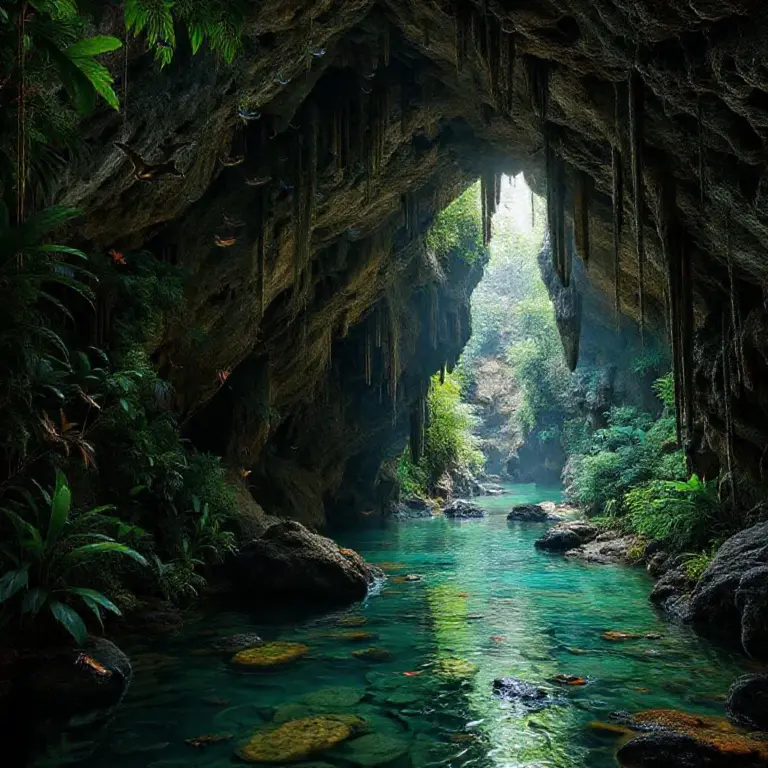
Caves here are primarily limestone caves (speleothems). The formations you will witness on any underground river trip are direct results of this process:
- Stalactites and Stalagmites: The classic dripping formations, often growing towards each other to form imposing columns.
- Flowstone: Sheets of calcite deposited on cave walls, resembling frozen waterfalls.
- Cave Pearls: Smooth, spherical concretions formed by water action rolling small particles in pools.
- Helictites: Rare, delicate formations that defy gravity, growing in unusual, twisting shapes due to capillary action and mineral deposits.
The sheer scale of some systems, like those near Rammang-Rammang, showcases active geological processes still at work. Always hire local guides who understand the stability and history of these magnificent structures.
Underground Rivers: The Artery of the Karst
The ‘underground river trip’ component is often the most thrilling. These rivers carve the caves and sustain unique ecosystems. In areas like Gua Pindoto or Gua Liang Kobori, the water clarity often reveals submerged geological features, sometimes including ancient submerged forest remnants.
Fauna and Flora: Life in the Subterranean Twilight
Life inside Sulawesi’s dark caverns has evolved unique adaptations. While macrofauna is less common than in rainforests, the specialized troglobites (cave-dwelling organisms) are scientifically fascinating.
Cave-Dwelling Fauna (Troglobites and Troglophiles)
The **Wildlife, Geology, and Cultural Highlights Inside Sulawesi’s Caves** tour must prioritize respectful observation of its inhabitants:
- Bats (Chiroptera): The most visible inhabitants. Species like fruit bats and insectivorous bats often create massive colonies, and their guano supports the entire cave food web.
- Cave Crickets and Spiders: Often found near entrances or areas with some light penetration. True troglobites may have elongated limbs or reduced eyesight.
- Cave Fish: In deeper, permanently dark pools, specialized, often blind, fish species can sometimes be found, though these require specialized, deeper exploration beyond standard tourist routes.
Subterranean Flora
Flora is generally scarce inside the deep zones, limited to chemoautotrophic bacteria or specialized fungi. However, near the cave mouths (the twilight zone), you might find:
- Mosses and ferns that thrive in high humidity and low light.
- Fungi that feed on organic matter washed in by the river or deposited by bats.
For a visual glimpse into the unique environment these creatures inhabit, please watch this insightful documentary segment on Indonesian cave systems:
Conservation Note
Because cave ecosystems are fragile, touching formations or disturbing wildlife is strictly prohibited. Always use red-light headlamps if permitted, as white light can disorient nocturnal species.
Cultural Highlights and Indigenous Stories
Sulawesi’s caves are not just geological features; they are integral parts of local history, often serving as ancient burial sites, shelters, and sacred spaces for indigenous groups like the Torajan people (though famous Toraja sites are often above ground, cave usage permeates regional history).
Prehistoric Art and Artifacts
The Maros-Pangkep region is world-renowned for its prehistoric cave paintings. While many of the most significant sites require special permits, some accessible tours may show replicas or areas where ancient hand stencils and animal depictions are visible. These artifacts date back tens of thousands of years, placing Sulawesi at the forefront of early human migration.
Local Lore and Spiritual Significance
Local communities often hold deep respect for these dark places, believing they are inhabited by spirits or ancestral guardians. Expect guides to share oral histories concerning the caves: