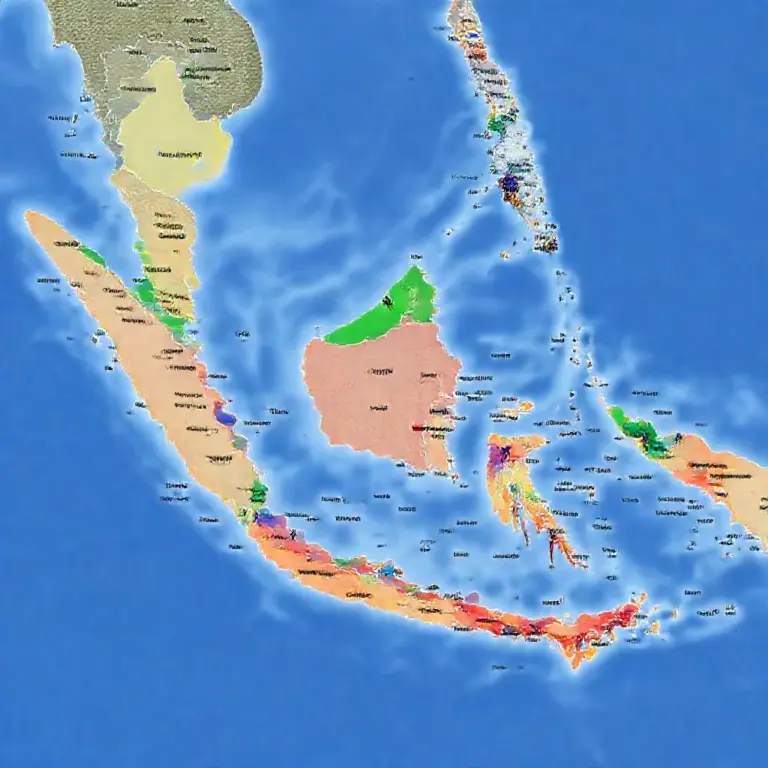
Understanding Indonesia’s Ethnic Landscape: Major Groups, Languages, and Geographic Distribution
- Understanding Indonesia’s Ethnic Landscape: Major Groups, Languages, and Geographic Distribution
- The Pillars of Indonesian Identity: Major Ethnic Groups
- The Symphony of Tongues: Linguistic Diversity
- Geographic Distribution: Where Cultures Reside
- Navigating Cultural Etiquette for Tourists
- คำถามที่พบบ่อย (FAQ)
- What is the most widely spoken language in Indonesia besides Bahasa Indonesia?
- Are the Minangkabau people Muslim or Hindu?
- Why is Bali culturally distinct from the rest of Indonesia?
- How many ethnic groups does Indonesia officially recognize?
Welcome, travelers and cultural enthusiasts! Indonesia, the sprawling archipelago nation spanning over 17,000 islands, is a mosaic of unparalleled human diversity. To truly appreciate this destination, one must delve into Understanding Indonesia’s Ethnic Landscape: Major Groups, Languages, and Geographic Distribution. This deep dive will equip you with the cultural context necessary to navigate and respect the incredible tapestry woven by hundreds of distinct ethnic groups, making your journey through the Indonesian archipelago far richer.
With over 300 native languages and an estimated 1,300 recognized ethnic groups, Indonesia is one of the most culturally complex nations on Earth. While the national motto, Bhinneka Tunggal Ika (Unity in Diversity), binds them, the local identities remain vibrant and distinct. For the discerning tourist, recognizing these differences moves you beyond simple sightseeing into genuine cultural immersion.
The Pillars of Indonesian Identity: Major Ethnic Groups
While the sheer number of groups is staggering, a few dominate the demographic and historical narratives of the nation. Understanding these major players provides a crucial framework for exploring the islands.
The Javanese: The Cultural Heart
The Javanese are the largest ethnic group, comprising nearly 40% of the total population. Primarily residing on Java—the most populous island—their influence is undeniable. They are the backbone of the national bureaucracy and are historically linked to the great Hindu-Buddhist kingdoms like Majapahit. Their culture is famed for its refinement, particularly in wayang kulit (shadow puppetry), classical dance, and the intricate court traditions of Yogyakarta and Surakarta. They are predominantly Muslim, but their faith often blends harmoniously with older animistic and Hindu influences.
The Sundanese: The Western Neighbors
The second-largest group, the Sundanese, dominate West Java. Known for their gentler temperament compared to the Javanese, Sundanese culture is famous for its vibrant musical tradition, Sundanese Gamelan, and its strong adherence to Islamic values blended with local customs. If you visit Bandung or Bogor, you will be immersed in Sundanese heritage.
The Islanders: Beyond Java and Sumatra
As you travel eastward, the cultural landscape shifts dramatically:
- Batak (North Sumatra): Known for their strong clan structures (marga), distinctive traditional houses (rumah adat), and a strong Christian presence alongside Muslim communities.
- Minangkabau (West Sumatra): Famous worldwide for their unique matrilineal social system, where property and lineage pass through the female line. They are also renowned for their spicy cuisine and distinctive horn-shaped roof architecture.
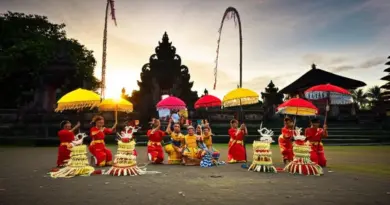
- Balinese: While smaller in number nationally, they are culturally paramount. They are overwhelmingly Hindu (a unique form of Hinduism known as Agama Tirta) and their island life revolves around intricate temple ceremonies and artistic expression.
- Buginese and Makassarese (South Sulawesi): Historically renowned seafarers and traders who built powerful kingdoms, their cultural legacy is tied closely to the sea and shipbuilding.
The Symphony of Tongues: Linguistic Diversity
The official language, Bahasa Indonesia (a standardized form of Malay), serves as the vital lingua franca, facilitating national communication. However, the true linguistic depth is found in the regional languages. Understanding Indonesia’s Ethnic Landscape requires appreciating this linguistic stratification.
Language Families and Usage
Most regional languages belong to the Austronesian language family. While Bahasa Indonesia is used in education, media, and government, the local language remains the language of the home and community:
- Javanese: Spoken by the largest number of people, it features complex levels of politeness (kromo, ngoko) that reflect social hierarchy—a fascinating concept for visitors to observe.
- Sundanese: The language of West Java, distinct from Javanese in sound and structure.
- Balinese: Closely related to Javanese, but maintains unique vocabulary reflecting its strong Hindu culture.
- Local Dialects:** In places like Papua, hundreds of Papuan languages exist, belonging to entirely different language families (Austronesian is not dominant there).
For tourists, knowing basic Bahasa Indonesia phrases is essential, as English is primarily limited to major tourist hubs like Bali and Jakarta.
This video offers a vibrant glimpse into the cultural richness that defines the archipelago, showcasing the diversity discussed in Understanding Indonesia’s Ethnic Landscape: Major Groups, Languages, and Geographic Distribution.
Geographic Distribution: Where Cultures Reside
The distribution of these groups is largely defined by the major islands, which have historically dictated settlement patterns, resource access, and interaction with foreign traders.
The Western Hubs (Java, Sumatra, Borneo)
Java and Sumatra are the most densely populated islands and are dominated by the large, agriculturally based societies (Javanese, Sundanese, Malay, Batak, Minangkabau). Borneo (Kalimantan) is home to numerous Dayak sub-groups, whose cultures are traditionally tied to the rainforests and river systems.
The Eastern Mosaic (Sulawesi, Nusa Tenggara, Maluku, Papua)
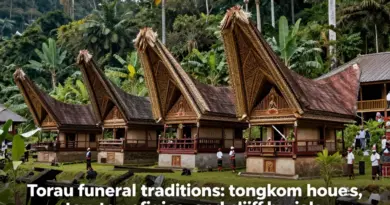
Moving east, the populations thin out, and cultural differentiation becomes even more pronounced. Bali stands out due to its unique religious adherence. Sulawesi hosts groups like the Bugis and Toraja (famous for their elaborate funeral rites). Maluku (the Spice Islands) holds historical significance from early global trade. Finally, Papua (the western half of New Guinea) harbors some of the world’s most isolated and diverse indigenous groups.
| Island Group | Dominant Ethnic Groups | Key Cultural Feature |
|---|---|---|
| Java | Javanese, Sundanese | High population density, refined arts |
| Sumatra | Batak, Minangkabau, Malay | Matrilineal systems, strong clan ties |
| Sulawesi | Bugis, Makassar, Toraja | Seafaring history, unique funerary rites |
| Bali & NT | Balinese, Sasak | Hinduism, intricate ritual life |
For travelers focusing on the Balinese experience, the geographic isolation of their island has preserved a distinct cultural bubble, making it a must-see highlight when studying the broader ethnic distribution.
Respect is the currency of travel in Indonesia. Since the population is so varied, understanding basic social norms tied to ethnicity is crucial.
- Dress Modestly: Especially when visiting rural areas or religious sites outside of mainstream tourist zones. This shows respect for local customs, particularly in conservative Muslim communities.
- Use the Right Hand: Always use your right hand for giving or receiving objects, especially money or food, as the left hand is considered unclean.
- Titles Matter: In many traditional contexts, addressing elders or community leaders with appropriate titles (even if you only know the local word for ‘Mr.’ or ‘Auntie’) is highly valued.
By taking the time to appreciate the nuances in Understanding Indonesia’s Ethnic Landscape: Major Groups, Languages, and Geographic Distribution, you ensure that your visit contributes positively to the local communities you encounter. Indonesia is not just one destination; it is a thousand worlds waiting to be discovered.
คำถามที่พบบ่อย (FAQ)
Here are answers to common questions regarding Indonesia’s cultural diversity for travelers.
References
Ethnologue: Languages of Indonesia
Brookings: Indonesia’s People and Geography
- Exploring Indonesia’s Ethnic Diversity: A Complete Guide to the Archipelago’s Tribal Cultures and Traditions
- Cultural Practices and Social Structures: Rituals, Kinship, Art, and Indigenous Belief Systems
- Regional Case Studies: Bali, Flores, Papua, and the Lesser Sunda Islands’ Unique Tribal Heritage