Regional Case Studies: Bali, Flores, Papua, and the Lesser Sunda Islands’ Unique Tribal Heritage
- Regional Case Studies: Bali, Flores, Papua, and the Lesser Sunda Islands’ Unique Tribal Heritage
- The Spectrum of Indonesian Tribal Identity
- Ethical Tourism and Preservation
- คำถามที่พบบ่อย (FAQ)
- 1. What is the primary difference between Balinese and Papuan tribal structures?
- 2. Is the Pasola festival in Sumba still actively practiced?
- 3. Which region among these four offers the most challenging travel for cultural immersion?
- 4. How does the Lesser Sunda Islands’ heritage differ from Flores?
- References
Indonesia, an archipelago of over 17,000 islands, is not just a collection of beaches and volcanoes; it is a living museum of human diversity. Understanding the depth of this cultural tapestry requires looking beyond the major hubs and delving into the distinct **Regional Case Studies: Bali, Flores, Papua, and the Lesser Sunda Islands’ Unique Tribal Heritage**. For the discerning Indonesia tourism enthusiast, these regions offer unparalleled insights into ancient customs, spiritual practices, and social structures that have endured centuries of change. This exploration highlights the crucial importance of respectful, culturally sensitive travel.
The Spectrum of Indonesian Tribal Identity
The tribal heritage across these four major island groups—Bali, Flores (part of East Nusa Tenggara), Papua, and the rest of the Lesser Sunda Islands (like Lombok and Sumba)—presents a mosaic of animism, Hinduism, Islam, and Christianity, all interwoven with unique local traditions. While Bali offers a globally recognized, highly structured Hindu-Dharma culture, the eastern islands reveal far more isolated and fiercely protected ancestral ways of life. Our case studies focus on revealing these differences.
Case Study 1: Bali – The Living Balinese Dharma
Bali’s tribal heritage is inseparable from its unique form of Balinese Hinduism. While often perceived as homogenous, the island’s cultural structure is deeply rooted in the Subak system—a UNESCO-recognized cooperative irrigation network that is as much a spiritual organization as it is an agricultural one. The Tri Hita Karana philosophy (harmony between humans, nature, and the divine) dictates social life, art, and architecture.
- Ritual Life: Daily offerings (Canang Sari) exemplify the constant spiritual maintenance required.
- Social Structure: The Banjar (local community council) governs social and religious affairs, showcasing a highly organized communal tribal structure.
Case Study 2: Flores – The Megalithic Legacy of Ngada and Manggarai
Moving east to Flores, the cultural landscape shifts dramatically. The Ngada people of central Flores are renowned for their traditional villages like Bena and Wae Rebo, which feature striking megalithic structures. These stone monuments are central to ancestor worship and community rituals.
Wae Rebo: A Model of Resilience
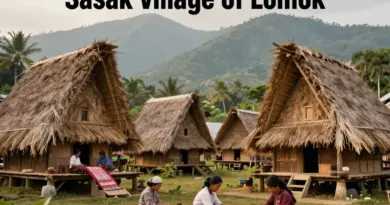
Wae Rebo, a remote Manggaraian village, is famous for its seven traditional cone-shaped houses (Mbaru Niang). These structures, built entirely from natural materials, symbolize the community’s profound connection to the ecosystem and their commitment to preserving their inherited architectural knowledge.
Case Study 3: Papua – The Unseen Worlds of the Highlands
Papua, home to hundreds of distinct ethnic groups, represents the most culturally diverse and least assimilated tribal heritage in Indonesia. Groups like the Dani, Asmat, and Korowai maintain practices that are globally significant anthropological treasures. The focus here shifts from organized religious structures to deep, localized animistic beliefs and intricate material culture.
The Asmat people, for instance, are world-renowned for their elaborate wood carvings, which are not merely art but spiritual conduits used in ceremonies honoring ancestors and maintaining cosmic balance. Their art is intimately tied to the forest ecosystem, demanding respect from any visitor seeking to appreciate the **Regional Case Studies: Bali, Flores, Papua, and the Lesser Sunda Islands’ Unique Tribal Heritage**.
Case Study 4: Sumba (Lesser Sunda Islands) – The Cult of the Ancestors
Sumba Island provides a powerful example of a society where material wealth is measured not in currency, but in ritual significance. The Sumba people’s culture is dominated by the complex megalithic tomb culture and the massive Pasola ritual—a symbolic mock battle held annually to ensure a fertile harvest. The ownership of intricately woven Ikat textiles also signifies high status and lineage.
| Island | Key Cultural Marker | Spiritual Focus |
|---|---|---|
| Bali | Subak System | Balinese Hinduism (Tri Hita Karana) |
| Flores (Ngada) | Megalithic Stones | Ancestor Worship (Animism/Christianity blend) |
| Papua (Asmat) | Wood Carving & Totems | Animism and Spirit World |
| Sumba | Megalithic Tombs & Ikat | Ancestor Cult & Ritual Sacrifice |
Ethical Tourism and Preservation
Documenting these extraordinary traditions for Indonesia tourism requires an ethical framework. The exposure that tourism brings, while economically beneficial, poses a risk of cultural commodification. Responsible travelers must prioritize learning over mere observation. For example, visiting a Papuan village necessitates deep respect for privacy, as some communities are still highly isolated.
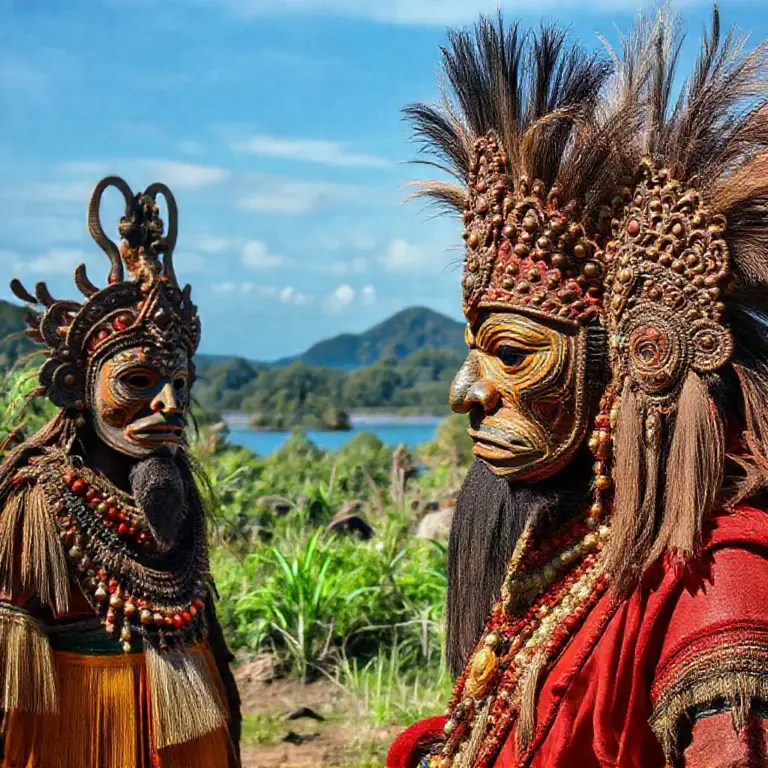
To illustrate the incredible visual artistry tied to these beliefs, here is a look at the environment that shapes Papuan culture:
The preservation of these **Regional Case Studies: Bali, Flores, Papua, and the Lesser Sunda Islands’ Unique Tribal Heritage** relies heavily on community-led initiatives, often supported by international heritage organizations. Supporting local guides who understand and respect the customs is paramount to ensuring these traditions continue to thrive authentically.
The Geography of Diversity
The geographical isolation of these regions has been the primary guardian of their distinctiveness. Bali, being more accessible, integrated early; while the rugged interior of Papua and the remote islands of the Lesser Sundas developed in relative cultural isolation, leading to the astonishing variety we study today.
คำถามที่พบบ่อย (FAQ)
Here are answers to common questions regarding the tribal heritage of these Indonesian regions.
1. What is the primary difference between Balinese and Papuan tribal structures?
The primary difference lies in religious organization and scale. Balinese culture is unified under a sophisticated, codified form of Hinduism (Dharma) managed through village councils and irrigation systems. Papuan tribal structures, conversely, are highly localized, often animistic, and centered around kinship groups and direct ancestral reverence, with less centralized religious authority.
2. Is the Pasola festival in Sumba still actively practiced?
Yes, the Pasola festival remains a vital, though occasionally controversial, ritual in Sumba. It is a major cultural event held annually, symbolizing the connection between the living and the dead, and is crucial for ensuring a good harvest. Responsible tourism often involves witnessing this event from a respectful distance.
3. Which region among these four offers the most challenging travel for cultural immersion?
Papua generally presents the most logistical and cultural challenges. Access to remote tribes requires significant planning, local permits, and, most importantly, the guidance of experienced, culturally aware fixers to navigate customs and ensure interactions are respectful and non-intrusive.
4. How does the Lesser Sunda Islands’ heritage differ from Flores?
While both are part of the Nusa Tenggara region, Flores is known for its megalithic villages (Ngada), whereas the islands often grouped with the Lesser Sundas, like Sumba, are defined by their distinct megalithic tomb culture, elaborate Ikat weaving traditions, and the unique Pasola ritual, representing different evolutionary paths of ancestral worship.
References
UNESCO World Heritage List: Subak System in Bali
Britannica: Peoples of Papua
National Geographic: Journey to Sumba
- Exploring Indonesia’s Ethnic Diversity: A Complete Guide to the Archipelago’s Tribal Cultures and Traditions
- Understanding Indonesia’s Ethnic Landscape: Major Groups, Languages, and Geographic Distribution
- Cultural Practices and Social Structures: Rituals, Kinship, Art, and Indigenous Belief Systems