Money in Indonesia: A Practical Guide to Currency, Exchange, and Everyday Use
Welcome to the archipelago! Navigating finances in a new country can be daunting, but understanding **Money in Indonesia** is simple once you know the basics. This comprehensive guide is tailored specifically for tourists, ensuring you handle the Indonesian Rupiah (IDR) with confidence, from exchanging cash to using digital payments across Bali, Java, and beyond. Money in Indonesia operates primarily on cash, so preparation is key to a smooth journey.
Understanding the Indonesian Rupiah (IDR)
The official currency of Indonesia is the Rupiah, denoted by the symbol Rp or the ISO code IDR. You will quickly notice that the denominations are quite large compared to Western currencies. This is normal, but it can lead to momentary confusion!
Denominations You Need to Know
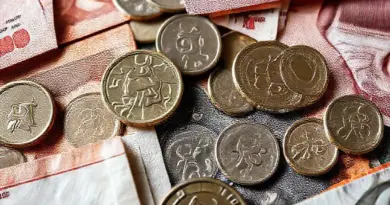
Indonesian banknotes primarily come in denominations of Rp 2,000 up to Rp 100,000. Coins exist but are rarely used for transactions outside of small change at local markets.
- Rp 100,000: The largest common note, often used for larger purchases or hotel bills.
- Rp 50,000 & Rp 20,000: Excellent for daily expenses like meals and transport.
- Rp 10,000 & Rp 5,000: Useful for street food and small market purchases.
Pro Tip on Checking Notes: Always check the notes you receive. Counterfeiting, while rare in major tourist areas, can happen. New Indonesian banknotes are vibrant and feature raised ink that you can feel, which is a good initial test of authenticity.
Currency Exchange: Getting the Best Rates
Securing a favorable exchange rate is crucial for your travel budget. Where you exchange your home currency for **Money in Indonesia** significantly impacts how much Rupiah you walk away with.
Where to Exchange Money Safely
- Authorized Money Changers (PVA): Look for reputable money changers, often marked as ‘PVA’ (Pusat Valuta Asing) or those affiliated with major banks. In tourist hubs like Kuta or Seminyak, always compare rates between at least three nearby shops before committing.
- Bank Branches: Major Indonesian banks (e.g., BCA, Mandiri) offer reliable, though sometimes slightly lower, rates than the best independent changers.
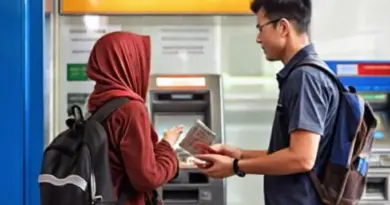
- ATMs: This is often the most convenient method, but be aware of fees (see next section).
Understanding Exchange Rates
The rate fluctuates daily. Before you travel, check the mid-market rate. Any rate offered significantly below this is a red flag. Never exchange money on the street from individuals; only use licensed storefronts.
ATM Usage and Bank Cards
While cash is king, ATMs are widely available in cities and tourist areas. Responsible ATM usage ensures you minimize bank fees associated with withdrawing **Money in Indonesia**.
Fees and Withdrawal Limits
- Local ATM Fees: Indonesian banks usually charge a flat fee (around Rp 25,000 or $1.60 USD) per transaction, regardless of the amount withdrawn.
- Foreign Transaction Fees: Your home bank will likely add its own percentage fee.
- Dynamic Currency Conversion (DCC): Always choose to be charged in the local currency (IDR). Declining DCC ensures your home bank handles the conversion at a better rate.
To maximize your cash haul and minimize fees, withdraw the maximum allowable amount per transaction. Always use ATMs attached to established banks rather than standalone machines in remote locations.
Everyday Spending: Cash vs. Digital
How you pay depends heavily on where you are in Indonesia. Major cities and high-end resorts are adopting digital methods faster than ever, but cash remains essential for authentic experiences.
When Cash is Mandatory
For the best experience navigating local life, always carry sufficient Rupiah for the following:
- Street food vendors (warungs).
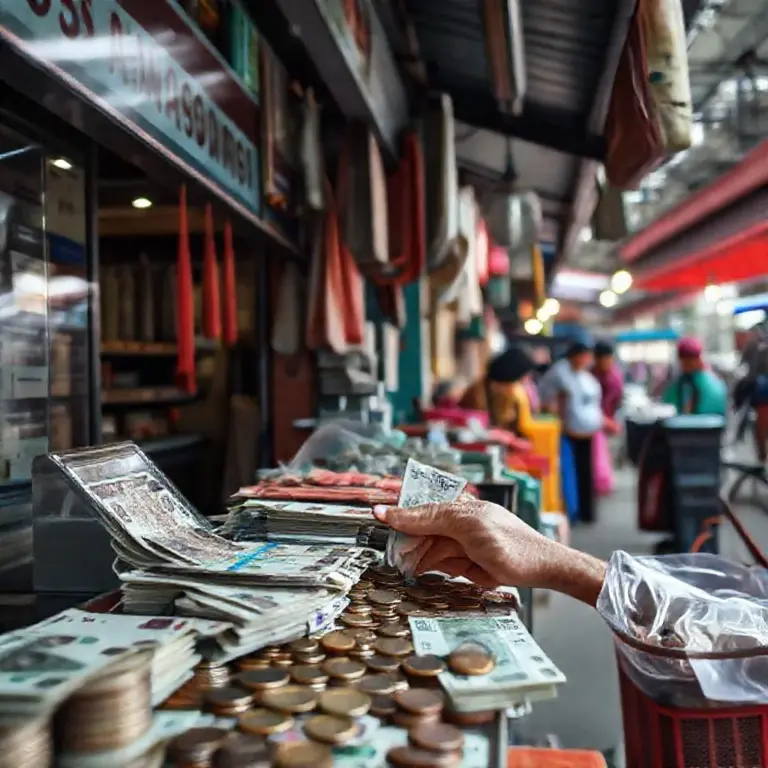
- Local markets (pasar).
- Small shops, temples, and tips for local guides.
- Paying for local transport like motorbike taxis (ojek).
The Rise of Digital Payments
Indonesia has seen massive adoption of QR code payment systems, particularly QRIS (Quick Response Code Indonesian Standard). If you have a travel card or app that supports international QR payments (like Wise or certain digital wallets), you may be able to use it in larger cafes and modern shops. However, relying solely on this technology is risky outside of Jakarta or central tourist zones.
Tipping Etiquette in Indonesia
Tipping is not mandatory in Indonesia, but it is highly appreciated, especially in the service industry where wages can be modest. Understanding when and how much to tip enhances your interactions.
| Service | Recommendation | Notes |
|---|---|---|
| Restaurants (Service Charge Included) | Optional | If a 10% service charge is added, no further tip is needed. |
| Restaurants (No Service Charge) | 5% – 10% | Round up the bill or leave small change. |
| Porters/Bellhops | Rp 10,000 – Rp 20,000 | Per bag or per service rendered. |
| Taxi/Ride-Share Drivers | Round up fare | Standard practice for convenience. |
When tipping, it is best to give cash directly to the individual performing the service. This ensures the money goes straight to them, which is standard practice when dealing with **Money in Indonesia**.
Visualizing Your Trip Finances
To help visualize the Rupiah conversion and budgeting process, here is a helpful video resource:
This visual guide can solidify your understanding of the physical appearance of the notes and common transaction scenarios.
คำถามที่พบบ่อย (FAQ)
What is the general budget I should plan for daily spending in Indonesia?
For a mid-range tourist budget, excluding accommodation, you should plan for approximately Rp 500,000 to Rp 800,000 (around $32 – $50 USD) per day. This covers food, local transport, entrance fees, and small souvenirs. Budget significantly more for fine dining or organized tours.
Is it safe to use my credit card in Indonesia?
Credit cards (Visa/Mastercard) are widely accepted in major hotels, high-end restaurants, and large retail stores, especially in tourist centers like Bali and Jakarta. However, always carry cash for smaller vendors, as card acceptance is not universal.
Can I use US Dollars (USD) directly in Indonesia?
While USD is sometimes accepted in very tourist-heavy areas, it is strongly discouraged. You will receive a poor exchange rate, and it causes inconvenience for local vendors. It is always best to exchange your USD into Indonesian Rupiah (IDR) first.
Do I need small change (coins or Rp 1,000/2,000 notes)?
Yes, small denominations are extremely useful! Many street vendors or small warungs may not be able to break a Rp 50,000 note for a Rp 5,000 purchase. Always try to keep a good supply of notes under Rp 20,000.
How much cash should I carry at one time?
For safety, it is advisable not to carry more than the equivalent of $100-$150 USD in cash (Rp 1.5M to Rp 2.4M) at any given time, unless you are traveling to very remote areas where ATMs are scarce. Distribute your cash holdings, and keep the majority secured in your hotel safe.
References
Bank Indonesia Official Website
Travel Money Advice for Indonesia
By following these guidelines on handling **Money in Indonesia**, you are set for a financially smooth and enjoyable exploration of this incredible nation. Happy travels!
- Understanding the Indonesian Rupiah (IDR): denominations, security features, and how to read banknotes and coins
- Where and how to exchange money in Indonesia: best practices, hidden fees, and using banks, money changers, and ATMs
- Payments for travelers and locals: cash vs cards, mobile wallets (OVO, GoPay, Dana), tipping, and typical transaction customs