Top Sights in Kota Tua and Nearby Museums: Fatahillah Square, Wayang Museum, Maritime Museum, and National Museum Highlights
- Top Sights in Kota Tua and Nearby Museums: Fatahillah Square, Wayang Museum, Maritime Museum, and National Museum Highlights
Welcome to Jakarta’s historical heart! When planning your Indonesia Tourism itinerary, a journey to Kota Tua (Old Town) is essential. This area, once the administrative center of the Dutch East Indies known as Batavia, is a treasure trove of colonial architecture and rich cultural institutions. Discovering the Top Sights in Kota Tua and Nearby Museums: Fatahillah Square, Wayang Museum, Maritime Museum, and National Museum Highlights offers a profound look into Indonesia’s complex past, blending European influence with vibrant local heritage.
This guide serves as your expert companion, detailing the must-see attractions that define this historic district, ensuring your visit is both educational and memorable. We will delve into the grandeur of Fatahillah Square and the specialized collections housed within its surrounding museums.
The Heart of Old Batavia: Fatahillah Square
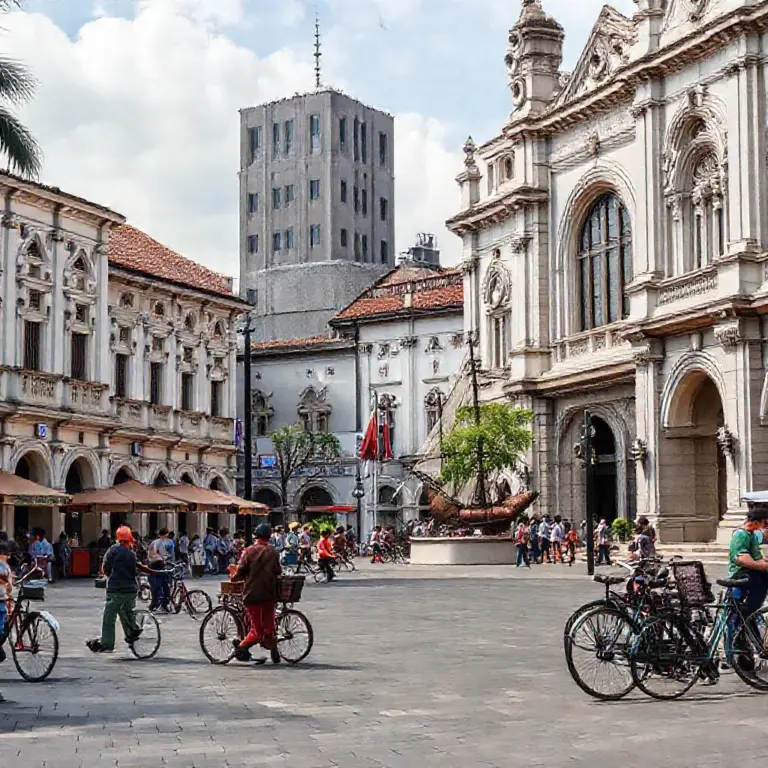
Fatahillah Square, or Taman Fatahillah, is the undeniable centerpiece of Kota Tua. This vast, cobblestone plaza served as the central marketplace and governmental hub during the Dutch colonial era. Today, it buzzes with life—street artists, vendors, rented colorful bicycles, and tourists soaking in the atmosphere.
Exploring the Square’s Colonial Architecture
The square is flanked by several significant buildings, each telling a story:
- Jakarta History Museum (Museum Fatahillah): Housed in the former City Hall, this building is an architectural masterpiece. Inside, you can trace Jakarta’s evolution from Sunda Kelapa to modern-day Jakarta.
- Jakarta Art Museum (Museum Seni Rupa): Located adjacent to the History Museum, this showcases Indonesian fine art, including pre-war and contemporary pieces.
- The Old Post Office: A stunning example of neo-classical Dutch architecture, currently undergoing restoration but impressive from the exterior.
Deep Dive into Culture: The Wayang Museum
For enthusiasts of Indonesian performing arts, the Wayang Museum is a mandatory stop. Wayang—traditional shadow puppetry—is recognized by UNESCO as a Masterpiece of the Oral and Intangible Heritage of Humanity.
What to See at the Wayang Museum
The museum houses an extensive collection of puppets from across the archipelago, not just Java. You will find intricate wooden puppets (Wayang Golek) and the delicate leather puppets (Wayang Kulit).
- Examine the craftsmanship required to create these detailed figures.
- Look for the display detailing the philosophical stories embedded in the Ramayana and Mahabharata adaptations.
- Check the schedule; sometimes, live Wayang performances are held on weekends.
Understanding Wayang is key to grasping Indonesian narrative tradition. This museum provides the necessary context for these ancient art forms.
Maritime Heritage: The Jakarta Maritime Museum
Moving toward the coast, the **Maritime Museum** (Museum Bahari) offers a fascinating contrast to the historical buildings near the square. This museum is uniquely housed in the former Dutch East India Company’s warehouses (West and East India Warehouses) dating back to the 17th century.
A Glimpse into Indonesia’s Sea Life
As an archipelago nation, maritime history is central to Indonesia’s identity. The Maritime Museum focuses on:
- Traditional Indonesian shipbuilding techniques.
- The history of the Sunda Kelapa port—Kota Tua’s original name.
- Exhibits on fishing, navigation, and naval warfare throughout different eras.
The architecture of the warehouses themselves—massive, functional, and built for trade—is as much a highlight as the artifacts within. This is a crucial stop when appreciating the full scope of the Top Sights in Kota Tua and Nearby Museums: Fatahillah Square, Wayang Museum, Maritime Museum, and National Museum Highlights.
The Apex of Indonesian History: The National Museum
While technically a short taxi or Gojek ride from the immediate Kota Tua complex, the **National Museum of Indonesia** (Museum Nasional) is indispensable for any serious cultural tourist in Jakarta. It is often considered the most authoritative museum in the country.
National Museum Highlights: E-E-A-T Perspective
To provide an authoritative view (E-E-A-T), we must emphasize the sheer breadth of its collections. It is divided into four main wings:
| Wing | Focus Area | Key Exhibit Type |
|---|---|---|
| Prehistory & Archaeology | Ancient Indonesian civilization | Stone tools, ancient pottery |
| Ethnography | Diversity of Indonesian cultures | Traditional clothing, weapons, household items |
| Numismatics & Heraldry | Currency and symbols of power | Old coins, medals, seals |
| Classical Antiquities | Hindu-Buddhist heritage | Bronze statues, Hindu iconography |
The bronze collection, particularly the statues from the Hindu-Buddhist period, showcases Indonesia’s deep historical connections to South Asia, often yielding artifacts superior in quality to those found in their regions of origin.
Planning Your Kota Tua Museum Crawl
Organizing your day effectively maximizes your experience. Given the proximity of Fatahillah Square, the Wayang Museum, and the Maritime Museum, they can be covered in one intensive day.
Logistics and Location Overview
Use the map feature below to orient yourself. Remember that the National Museum requires dedicated travel time.
For those interested in seeing the original port area, a short walk north from the Maritime Museum leads to Sunda Kelapa, where traditional Phinisi sailboats still dock, offering a living connection to Indonesia’s seafaring past.
Conclusion: A Journey Through Time
The cluster of historical sites centered around Fatahillah Square, complemented by the specialized insights offered by the Wayang, Maritime, and National Museums, provides an unparalleled historical immersion for any visitor to Jakarta. These **Top Sights in Kota Tua and Nearby Museums: Fatahillah Square, Wayang Museum, Maritime Museum, and National Museum Highlights** ensure that your understanding of Indonesia’s journey—from ancient kingdoms to colonial rule and modern independence—is vividly brought to life.
คำถามที่พบบ่อย (FAQ)
Here are answers to common questions regarding visiting Kota Tua and its cultural institutions.
References
For further reading on Indonesian heritage and museum collections:
- Official Site of the National Museum of Indonesia
- UNESCO Intangible Cultural Heritage list regarding Wayang
- Official Jakarta Government Portal
- Jakarta’s Historic Sites: A Tour of Kota Tua and National Museums — Complete Visitor Guide and Walking Itinerary
- Why Visit Kota Tua and Jakarta’s National Museums? History, Culture, and What to Expect
- Planning Your Visit: Best Times, Entry Fees, Transportation, and Accessibility Tips for Kota Tua and Museums