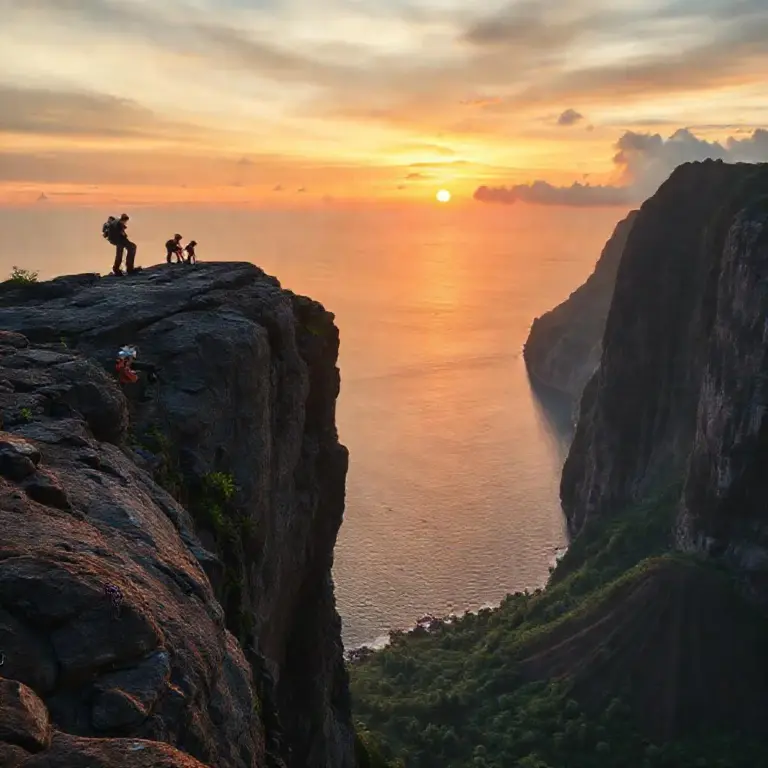
Rock Climbing in Indonesia: The Ultimate Guide to the Best Routes, Seasons, and Tips for Bali and Java
- Rock Climbing in Indonesia: The Ultimate Guide to the Best Routes, Seasons, and Tips for Bali and Java
Welcome, adventurers! Indonesia, an archipelago renowned for its stunning beaches and vibrant culture, is rapidly emerging as a world-class destination for vertical exploration. If you’re seeking sun-drenched limestone cliffs and dramatic volcanic backdrops, understanding the nuances of Rock Climbing in Indonesia is crucial. This guide serves as your definitive roadmap to conquering the best crags across Bali and Java, ensuring your climbing trip is as smooth as the polished holds you’ll encounter.
The search intent for this topic is highly informational, targeting both experienced climbers planning international trips and tourism boards seeking high-value adventure travel content. We will delve into the technical details, logistical preparation, and cultural immersion awaiting you in this tropical paradise.
The Appeal of Indonesian Rock Climbing: Limestone Dreams
Indonesia offers a unique blend of world-class sport, trad, and deep water soloing (DWS) opportunities, primarily set against the backdrop of dramatic karst topography. The rock quality is often superb—sharp, grippy limestone sculpted by millennia of tropical weather. Unlike many established Western crags, many Indonesian routes are relatively new, offering the thrill of exploration.
Bali: The Tourist Hub and Climbing Gateway
Bali is undeniably the most accessible entry point for international climbers. While famous for surfing, its western and northern regions hide fantastic climbing sectors.
1. Sekumpul (North Bali)
Sekumpul is rapidly gaining fame for its high-quality sport climbing and breathtaking views. Routes here are generally well-bolted, though some areas might still require a local guide for access or route beta.
- Rock Type: Limestone
- Style: Sport Climbing
- Difficulty Range: 5c to 8a+
- Tip: The area is remote; consider staying in a local homestay to fully appreciate the quiet atmosphere away from the southern crowds.
2. Nusa Penida: Deep Water Soloing Paradise
For the ultimate tropical experience, head to Nusa Penida, just a short boat ride from Bali. This island is famous for its DWS potential over turquoise waters.
The famous ‘Toyapakeh’ sector offers accessible DWS routes, but hiring a local boatman is essential for safe access between different climbing zones.
Here is an embedded video showcasing the stunning climbing environment in the region:
Java: The Wild Frontier for Climbing Exploration
Java, the cultural and industrial heart of Indonesia, hides some of the country’s most significant and challenging climbing areas, often centered around volcanic activity.
1. Citatah Cliffs (West Java, near Bandung)
Citatah is arguably the most established sport climbing area in Java. It features massive limestone walls, some reaching over 100 meters. The climbing here is often steep and demanding, making it a favorite for experienced climbers.
| Sector | Rock Type | Focus |
|---|---|---|
| Citatah 45 | Limestone | Sport (Well-Bolted) |
| Citatah 90 | Limestone | Trad & Multi-pitch |
| Citatah 125 | Volcanic Rock | Bouldering/Top Rope |
2. Mount Parang (Central Java)
For the truly ambitious, Mount Parang presents Indonesia’s premier big wall experience. This sheer, massive volcanic plug offers multi-pitch routes that can take days to complete, demanding full alpine preparation and self-sufficiency. This is where you test your expertise.
- Secure permits well in advance through local authorities in Purwakarta.
- Hire experienced local guides who specialize in big wall logistics.
- Be prepared for rapid weather changes typical of high-altitude volcanic areas.
Optimal Seasons for Rock Climbing in Indonesia
Indonesia sits near the equator, meaning it doesn’t have the four distinct seasons found in temperate zones. Instead, the climate revolves around wet and dry periods, which heavily influence climbing conditions.
The Dry Season (April to October)
This is the prime time for Rock Climbing in Indonesia. Expect less humidity, lower chances of sudden downpours, and chalk that actually works! Bali and Java’s limestone remains dry and grippy, making it ideal for high-performance climbing.
The Wet Season (November to March)
While climbing is possible, it requires patience. Heavy, tropical storms can drench crags, making them unusable for days. However, the wet season offers advantages:
- Fewer crowds at popular spots.
- Spectacular, lush green scenery.
- DWS in Bali becomes less risky as water levels are higher.
Pro Tip on Humidity: Even in the dry season, humidity can be oppressive. Start your climbing sessions early (before 9 AM) and take a long midday break, returning in the late afternoon.
Essential Tips for Climbing Tourists in Bali and Java
To ensure your expedition is safe and respectful of the local culture and environment, heed these expert recommendations.
Logistics and Gear
While local gear shops exist in major tourist hubs, reliability varies. Always bring your own helmet, harness, and favorite shoes. For bolts, the standard metric hardware is used, but always check the quality of older routes.
For information on obtaining necessary travel documents and local guidance, you can refer to the official Indonesia Tourism website.
Local Etiquette and Community
Climbing communities in Indonesia are welcoming but often small. Showing respect is paramount:
- Always ask permission if you are climbing on private land or near local villages.
- Support local businesses; hire local guides and buy supplies locally.
- Pack out absolutely everything. Leave no trace philosophy is essential for preserving these developing crags.
Health and Safety
The tropical environment demands vigilance against dehydration and insects. Carry plenty of water, use strong insect repellent, and be aware of local wildlife, especially snakes near jungle approaches.
For emergency services or general travel advisories, always check your home country’s official travel advice before departure.
Conclusion: Your Indonesian Climbing Adventure Awaits
From the sun-drenched DWS of Nusa Penida to the imposing big walls of Mount Parang, Rock Climbing in Indonesia offers an unparalleled adventure for every climber. By respecting the seasons, preparing your gear, and embracing the local culture, you are set for an unforgettable journey. Pack light, climb hard, and enjoy the views!
คำถามที่พบบ่อย (FAQ)
Is it safe to climb solo in Bali?
While many sport routes are well-bolted, it is generally recommended to climb with a partner, especially when exploring newer or more remote crags in Java or North Bali. Always inform someone of your climbing plans.
Do I need to speak Indonesian to climb?
English is widely spoken in tourist areas like South Bali. However, in more remote climbing locations in Java, knowing basic Bahasa Indonesia phrases will greatly enhance your interactions with local guides and villagers.
Are there many established trad routes?
The focus in Indonesia is heavily skewed towards sport climbing due to the quality of the limestone. However, areas like Citatah 90 in Java do offer excellent, established multi-pitch trad lines for those seeking that experience.
How reliable is the bolting standard?
Bolting quality varies significantly. Newer, popular sport sectors (like parts of Sekumpul) often use high-quality stainless steel. Older or less-frequented routes may have older hardware. Always inspect anchors, especially on lead climbs.
Can I rent climbing gear in Indonesia?
Yes, basic gear rental (ropes, quickdraws) is available through climbing guides or specialized outdoor shops in major areas like Ubud or Bandung, but bringing your essential personal protective equipment (PPE) is always advised for guaranteed fit and quality.
References
International Climbing Resources