Practical packing strategies and outfit combinations for modest dress in humid climates and sudden downpours
- Practical packing strategies and outfit combinations for modest dress in humid climates and sudden downpours
- The Science of Fabric: Staying Cool While Staying Covered
- Practical Packing Strategies for the Tropical Traveler
- Outfit Combinations: Elegance Meets Utility
- Navigating Sudden Downpours in Indonesia
- Cultural Nuances and Modesty Standards
- Conclusion
- คำถามที่พบบ่อย (FAQ)
- What is the best fabric for modest dress in Indonesia?
- How do I stay dry during the rainy season in Indonesia?
- Is it necessary to wear a hijab in Indonesia?
- What kind of shoes should I pack for Indonesia?
Traveling to Indonesia offers a breathtaking blend of vibrant culture, lush landscapes, and spiritual depth. However, for the conscious traveler, mastering modest dress in humid climates presents a unique set of challenges. Indonesia is characterized by its tropical weather, where the humidity can often exceed 80%, and sudden tropical downpours are a daily occurrence. Balancing cultural respect with physical comfort requires a strategic approach to fabric selection, layering, and garment construction. This guide provides comprehensive packing strategies to ensure you remain cool, dry, and elegantly modest throughout your Indonesian adventure.
The Science of Fabric: Staying Cool While Staying Covered
The foundation of any successful wardrobe for modest dress in humid climates is the choice of textile. In high humidity, the body’s natural cooling mechanism—sweat evaporation—is hindered. Therefore, your clothing must facilitate airflow and moisture management.
| Fabric Type | Pros | Cons |
|---|---|---|
| Linen | Maximum breathability, dries quickly. | Wrinkles easily (embrace the ‘travel look’). |
| Cotton (Voile/Batiste) | Soft, natural, and widely available. | Retains moisture longer than linen. |
| Bamboo | Antibacterial, moisture-wicking, very soft. | Can be heavy if the weave is too dense. |
| Technical Synthetics | Quick-dry, wrinkle-resistant. | May feel less ‘natural’ against the skin. |
Avoid heavy denims or thick polyesters, as these trap heat and moisture, leading to discomfort and skin irritation. Instead, look for ‘crinkle’ fabrics that don’t require ironing and allow for better air circulation between the cloth and your skin.
Practical Packing Strategies for the Tropical Traveler
Efficiency is key when packing for Indonesia. Between domestic flights on small planes and navigating bustling ferry terminals, traveling light is an advantage. Use packing cubes to organize your modest essentials and protect them from the dampness of the environment.
The Capsule Wardrobe Method
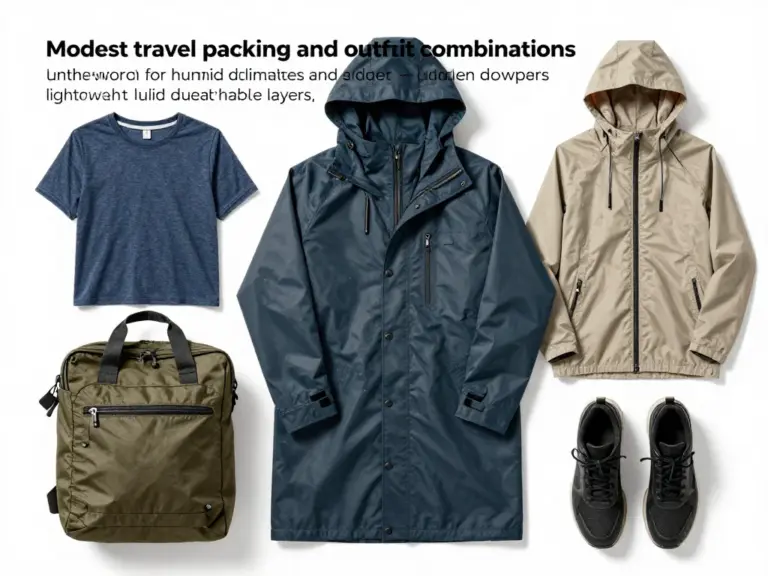
Focus on a cohesive color palette—think earthy tones, pastels, or classic whites—that allows every top to match every bottom. For a 10-day trip, consider the ‘5-4-3-2-1’ rule: 5 tops (tunics/long-sleeve shirts), 4 bottoms (wide-leg trousers/maxi skirts), 3 hijabs or scarves, 2 pairs of shoes (one walking, one waterproof), and 1 lightweight raincoat.
Outfit Combinations: Elegance Meets Utility
Creating the perfect outfit for modest dress in humid climates involves balancing coverage with volume. Tight clothing is your enemy in the heat; loose, flowing silhouettes are your best friends.
- The Urban Explorer: A long-line linen tunic paired with wide-leg culottes. This allows for maximum air movement. Pair with a lightweight chiffon hijab that doesn’t require heavy under-caps.
- The Temple Visit: A maxi skirt made of cotton voile paired with a long-sleeved, breathable blouse. Ensure your ankles and wrists are covered to respect local customs while staying ventilated.
- The Rainy Day Transition: A quick-dry athletic modest top paired with cargo-style modest trousers. These fabrics won’t become heavy when wet and will dry within hours of the rain stopping.
In Indonesia, a clear blue sky can turn into a torrential downpour in minutes. Being prepared for rain is a core part of your packing strategy. Traditional umbrellas are useful, but a high-quality, breathable rain poncho is often more practical for navigating crowded streets or riding on the back of a Gojek (motorcycle taxi).
Footwear and Accessory Care
Avoid suede or heavy leather shoes which can be ruined by water and mud. Opt for high-quality rubber sandals with arch support or waterproof sneakers. Additionally, keep a small ‘dry bag’ inside your daypack to protect your electronics and spare hijab from humidity and unexpected leaks.
Cultural Nuances and Modesty Standards
While the focus is on modest dress in humid climates, it is important to remember that ‘modesty’ is interpreted differently across the archipelago. In Bali, tourists often wear less, but when entering a Pura (temple), a sash and sarong are mandatory for both men and women. In Java, particularly in Yogyakarta or Solo, a more conservative approach is appreciated. Wearing loose clothing not only keeps you cool but also signals respect for the local Islamic or traditional values, often resulting in warmer interactions with locals.
Conclusion
Packing for Indonesia doesn’t have to be a choice between comfort and conviction. By prioritizing natural, breathable fabrics like linen and cotton, opting for loose silhouettes, and preparing for the inevitable tropical rain, you can enjoy everything this beautiful nation has to offer. Remember, the key to modest dress in humid climates is preparation and flexibility. Embrace the humidity, carry a rain jacket, and dress with the grace and respect that the Indonesian culture inspires.
คำถามที่พบบ่อย (FAQ)
References
- Wonderful Indonesia – Official Tourism Website
- Climate Data and Humidity Averages for Indonesia
- Lonely Planet: Indonesia Travel Tips and Etiquette
- Indonesia Packing List Tropical Clothing Modesty and Rain Prep: Essential Guide for Comfortable, Respectful, and Weather-Ready Travel
- How to interpret the search intent: what travelers to Indonesia are looking for when combining tropical clothing, modesty, and rain preparation
- Key clothing items for a tropical Indonesian packing list: breathable fabrics, sun protection, modest wardrobe staples, and rain gear