Day 2 — Scenic Coastal Drive and Historical Stops en Route to Lasem: recommended viewpoints, photo spots, and timing for coastal light and fishing villages
Embarking on the second day of your journey toward the heritage-rich town of Lasem offers more than just a commute; it is an immersion into the soul of the Java coastline. This scenic coastal drive and historical stops en route to Lasem reveal a tapestry of azure horizons, salt-crusted traditional villages, and remnants of the ancient maritime Silk Road. As you navigate the legendary North Coast Road (Jalan Raya Pos), the transition from bustling urban centers to serene maritime landscapes provides a unique perspective on Indonesia’s diverse cultural geography.
The Allure of the North Coast Route
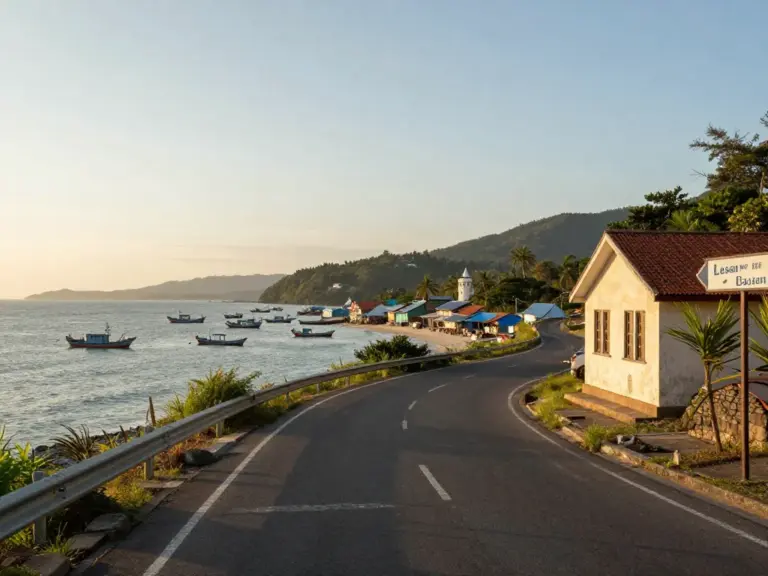
The drive toward Lasem is dominated by the historic Great Post Road. While modern highways exist, the coastal path offers unparalleled access to the sea. The scenic coastal drive and historical stops en route to Lasem allow travelers to witness the daily rhythms of fishing communities that have remained unchanged for centuries. The air carries the scent of salt and drying fish, signaling your proximity to the heart of Javanese maritime heritage.
Recommended Viewpoints and Photo Spots
Photography enthusiasts will find a wealth of subjects along this route. Here are the must-visit locations for capturing the essence of the coast:
- Tanjung Kodok Viewpoint: Known for its unique rock formations that resemble a frog, this spot offers a panoramic view of the crashing waves.
- Brondong Fishing Port: A vibrant hub of color. Capture the rows of brightly painted wooden boats against the deep blue water.
- Gresik Heritage District: A brief detour to see the blend of Arabic, Chinese, and Dutch architecture before heading further north.
Timing for Coastal Light and Fishing Villages
Timing is everything when executing a scenic coastal drive and historical stops en route to Lasem. The ‘Blue Hour’ just before sunrise provides a mystical atmosphere in the fishing villages, where lamps on the boats still flicker. By 9:00 AM, the sun is high enough to illuminate the vibrant salt pans found near Rembang. For the best photography of the ‘Little China’ atmosphere in Lasem itself, aim to arrive by late afternoon (around 4:00 PM) when the long shadows accentuate the intricate carvings of the old Chinese houses.
| Time | Activity/Spot | Photography Focus |
|---|---|---|
| 06:00 AM | Coastal Road Departure | Soft morning mist and sunrise |
| 08:30 AM | Traditional Salt Pans | Reflections and geometry |
| 11:00 AM | Historical Mosque Stops | Architectural details |
| 04:30 PM | Arrival in Lasem | Heritage buildings and warm glow |
Historical Stops and Cultural Significance
The road to Lasem is dotted with history. It’s essential to stop at the ancient mosques and Chinese temples that line the path. These sites represent the ‘Acculturation’ that Lasem is famous for—a peaceful blend of Islam and Chinese traditions. The scenic coastal drive and historical stops en route to Lasem are not complete without visiting the Karangturi village, where the walls tell stories of the opium trade and the resilient Batik industry.
คำถามที่พบบ่อย (FAQ)
Q: What is the best time of year for this drive?
A: The dry season (May to September) is ideal for clear skies and the best light for coastal photography.
Q: Are there many places to eat along the route?
A: Yes, the coastal road is famous for ‘Warung’ serving fresh seafood, particularly grilled fish (Ikan Bakar) and Lontong Tuyuhan.
Q: Is the road safe for solo drivers?
A: Generally yes, but be cautious of large trucks on the Pantura highway; staying alert and driving during daylight is recommended.
References
Wonderful Indonesia Official Tourism Portal
UNESCO World Heritage Tentative Lists – Lasem Heritage
- Java North Coast Heritage Trail: Ultimate 6-Day Itinerary from Cirebon to Demak via Lasem
- Day 1 — Explore Cirebon’s Cultural Gems and Batik Heritage: best places to visit, local cuisine, and tips for batik workshops and transport
- Day 3 — Lasem Deep Dive: Chinese-Indonesian Architecture, Ancestral Houses, and Local Festivals: walking routes, must-see landmarks, and cultural etiquette