Why Earthquake and Volcano Risks Matter for Travelers: Assessing Destinations, Travel Insurance, and Local Alerts
- Why Earthquake and Volcano Risks Matter for Travelers: Assessing Destinations, Travel Insurance, and Local Alerts
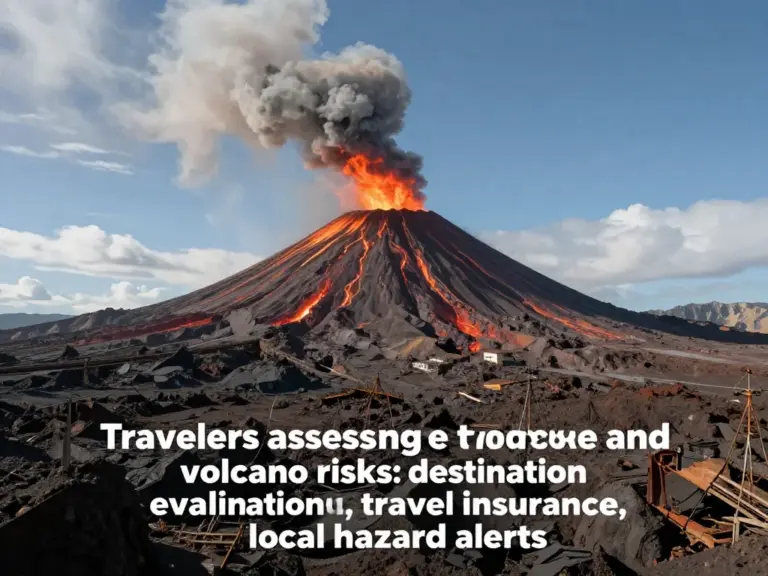
For many, Indonesia is the ultimate tropical paradise, boasting lush jungles, pristine beaches, and a vibrant culture. However, its unique geography atop the ‘Ring of Fire’ means that earthquake and volcano risks matter for travelers more here than in many other global destinations. Understanding these geological forces isn’t about fostering fear; it’s about empowerment, safety, and ensuring your Indonesian adventure remains a positive memory.
Understanding the Ring of Fire: Why Risks Matter
Indonesia sits at the meeting point of several tectonic plates. This geological activity is responsible for the stunning mountain ranges and fertile soil that make the archipelago so beautiful, but it also creates a high frequency of seismic events. For a traveler, these risks can impact everything from flight schedules to physical safety. Recognizing that earthquake and volcano risks matter for travelers allows you to plan with a realistic perspective on environmental conditions.
Assessing Your Destination: Know Before You Go
Not all regions in Indonesia carry the same level of risk. While Bali and Java are home to some of the world’s most active volcanoes, other islands may be more prone to seismic tremors. Before you depart, research your specific destination using tools like the MAGMA Indonesia platform. This helps you understand if your chosen hotel is in a low-lying tsunami zone or near an active volcanic crater.
| Region | Primary Geological Risk | Recommended Precaution |
|---|---|---|
| Bali | Volcanic Ash / Earthquakes | Monitor Mt. Agung alerts |
| Lombok | Seismic Activity | Check building safety standards |
| Yogyakarta | Volcanic Eruption | Stay clear of Merapi exclusion zones |
The Role of Specialized Travel Insurance
One of the most critical aspects of travel planning is insurance. Many travelers assume all policies cover natural disasters, but this is rarely the case. When earthquake and volcano risks matter for travelers, the fine print in your policy becomes your lifeline. Ensure your insurance covers ‘Natural Disaster’ events, including trip cancellation due to volcanic ash clouds (which often ground flights) and emergency medical evacuation.
Key Insurance Features to Look For:
- Trip Interruption: Coverage if you are forced to leave a destination early.
- Ash Cloud Coverage: Specifically for flight delays caused by volcanic activity.
- Emergency Evacuation: Critical for remote areas in islands like Flores or Sumatra.
Monitoring Local Alerts and Staying Informed
Modern technology has made it easier than ever to stay safe. In Indonesia, the BMKG (Meteorology, Climatological, and Geophysical Agency) provides real-time updates on earthquakes and potential tsunamis. Downloading local safety apps and following official social media channels can provide you with a crucial head start in the event of an emergency. Always listen to local authorities and hotel staff, as they are well-trained in evacuation procedures.
Conclusion
Indonesia offers an unparalleled travel experience, but it requires a mindful approach to safety. By acknowledging why earthquake and volcano risks matter for travelers, assessing your destinations carefully, securing the right insurance, and staying tuned to local alerts, you can explore the Ring of Fire with confidence and peace of mind.
คำถามที่พบบ่อย (FAQ)
Is it safe to travel to Indonesia despite the volcano risks?
Yes, it is generally safe. Millions of tourists visit Indonesia every year. The key is to stay informed through official channels and avoid restricted ‘exclusion zones’ around active volcanoes.
Does standard travel insurance cover volcanic eruptions?
Not always. You must check if your policy includes ‘natural disasters’ or ‘scheduled airline failure’ due to volcanic ash. It is often an add-on or a specific premium feature.
What should I do if an earthquake occurs while I am in a hotel?
Drop, Cover, and Hold On. Stay away from windows and heavy furniture. Once the shaking stops, follow the hotel’s evacuation route to a designated assembly point, especially if you are in a tsunami-prone coastal area.
Where can I find real-time volcano alerts in Indonesia?
The best resource is the MAGMA Indonesia website and mobile app, managed by the Center for Volcanology and Geological Hazard Mitigation (PVMBG).
References
- MAGMA Indonesia – Official Volcanic Activity Reports
- BMKG – Indonesia Meteorology and Geophysics Agency
- Lonely Planet: Indonesia Travel Safety Tips
- Earthquake and Volcano Safety Preparedness for Travelers: Essential Strategies to Stay Safe Before, During, and After an Event
- Preparing to Travel to Seismically Active Regions: Packing Essentials, Emergency Plans, and Communication Strategies
- What to Do During an Earthquake or Volcanic Eruption While Traveling: Immediate Safety Actions, Evacuation Routes, and Shelter-in-Place Guidance