Understanding Entry Fees, Permits, and How to Book: Park Rules, Local Fees, and Cost-Saving Tips
- Understanding Entry Fees, Permits, and How to Book: Park Rules, Local Fees, and Cost-Saving Tips
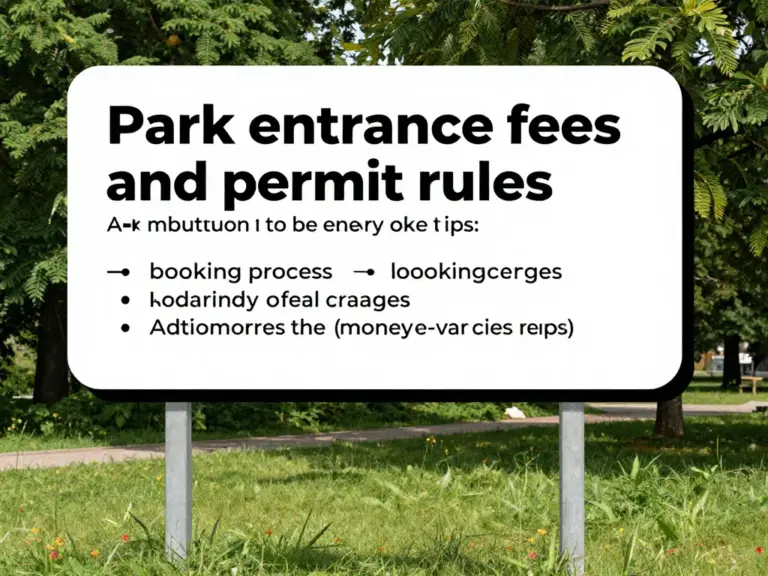
Planning a trip to Indonesia’s breathtaking natural wonders requires more than just packing a suitcase. Understanding Entry Fees, Permits, and How to Book is essential for a seamless experience. Whether you are trekking the volcanic slopes of Mount Rinjani or diving in the pristine waters of Komodo National Park, navigating the administrative side of tourism ensures you stay compliant with local regulations while supporting conservation efforts.
In Indonesia, entry fees for national parks are often structured differently for domestic and international tourists. These fees contribute directly to the maintenance of trails, wildlife protection, and ranger services. For instance, the ‘Simaksi’ (Surat Izin Masuk Kawasan Konservasi) is a mandatory permit for hikers entering protected mountain areas. Understanding Entry Fees, Permits, and How to Book these documents ahead of time is vital, as many popular spots have daily visitor quotas.
How to Book: Digital Platforms and On-Site Registration
The booking process has modernized significantly. Many parks, such as Mount Bromo or Mount Semeru, now require online registration through official government portals. This system helps manage crowds and ensures visitor safety. To book, you typically need to provide identification (passport or KTP), health certificates for certain climbs, and pay via bank transfer or digital wallet.
Understanding Local Fees and Community Contributions
Beyond the official national park ticket, you may encounter local village fees or ‘retribution’ costs. These are small payments collected by local communities to maintain access roads and public facilities. While they might seem unofficial, they are often crucial for the local economy. Always ask for a receipt where possible to ensure transparency.
Essential Park Rules for Responsible Tourism
Adhering to park rules is not just about avoiding fines; it is about preserving Indonesia’s biodiversity. Common rules include:
- Leave No Trace: Take all trash back with you.
- Wildlife Interaction: Do not feed or touch wild animals.
- Fire Safety: Open fires are strictly prohibited in most conservation zones.
Smart Cost-Saving Tips for Travelers
Travel costs can add up quickly. To save money:
- Travel in Groups: Sharing the cost of a mandatory guide or transport can significantly reduce individual expenses.
- Visit on Weekdays: Many parks have lower entry fees during the week compared to weekends and public holidays.
- Book Direct: Whenever possible, use official government websites to avoid third-party service fees.
| National Park | Estimated Fee (Intl.) | Booking Method |
|---|---|---|
| Komodo | IDR 150,000 – 250,000 | In-person/Online |
| Bromo Tengger Semeru | IDR 220,000 – 320,000 | Online Only |
| Rinjani | IDR 150,000/day | e-Rinjani App |
คำถามที่พบบ่อย (FAQ)
Do I need a health certificate to hike in Indonesia?
Are entry fees the same for everyone?
Can I buy permits at the park entrance?
References
Official Indonesia Tourism Portal
Ministry of Environment and Forestry (KLHK)