Why Menjangan Island is a Top Snorkeling Destination: Marine Life, Visibility, and Best Seasons to Visit
- Why Menjangan Island is a Top Snorkeling Destination: Marine Life, Visibility, and Best Seasons to Visit
Tucked away in the northwestern corner of Bali, within the protected boundaries of the West Bali National Park, lies a small, uninhabited island that has earned a legendary reputation among underwater enthusiasts. Why Menjangan Island is a Top Snorkeling Destination becomes immediately apparent the moment you dip your mask into its crystalline waters. Unlike the bustling southern beaches of Bali, Menjangan offers a serene, untouched sanctuary where nature remains the primary architect. This guide explores the vibrant marine biodiversity, the world-class visibility, and the practical details you need to plan your ultimate snorkeling adventure.
Why Menjangan Island is a Top Snorkeling Destination
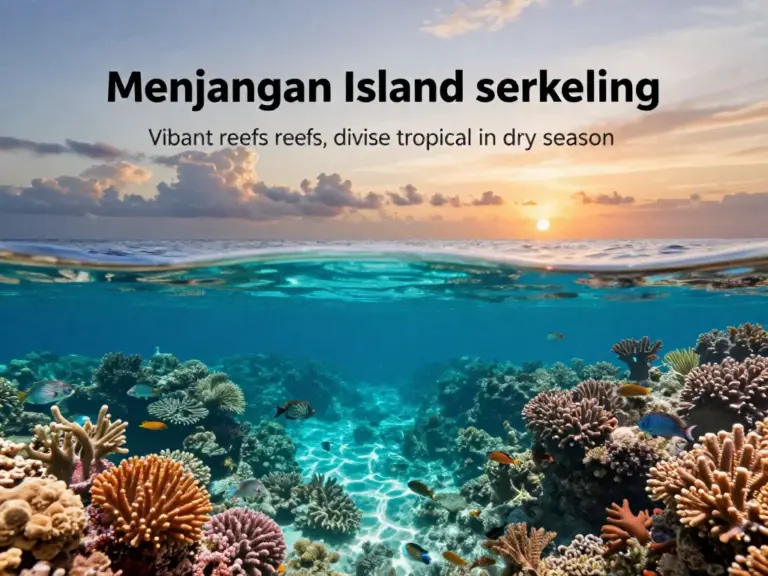
The primary reason Why Menjangan Island is a Top Snorkeling Destination is its unique underwater topography. Unlike many other snorkeling spots that feature sloping reefs, Menjangan is famous for its dramatic vertical walls. These “drop-offs” plunge to depths of 30 to 60 meters, covered in an intricate tapestry of gorgonian fans, sponges, and soft corals. For snorkelers, this means you can float effortlessly over the edge of a submerged cliff, watching the sunlight dance down into the deep blue while surrounded by thousands of colorful reef fish. The lack of strong currents makes it an ideal spot for beginners and families, providing a safe yet exhilarating environment to witness the majesty of the ocean.
Unrivaled Visibility: The Crystal Clear Advantage
One of the most striking features of Menjangan Island is its extraordinary water clarity. On a typical day, visibility can range from 20 to an astounding 50 meters. This high transparency is due to the island’s sheltered location, which protects it from the heavy swells and sediment runoff found in other parts of Bali. This clarity allows snorkelers to see the intricate details of the reef and the diverse species of fish from the surface, creating an experience akin to swimming in a giant, natural aquarium. Whether you are looking at tiny nudibranchs or larger pelagic visitors, the high-definition view is a photographer’s dream.
A Biodiversity Hotspot: Marine Life at Menjangan
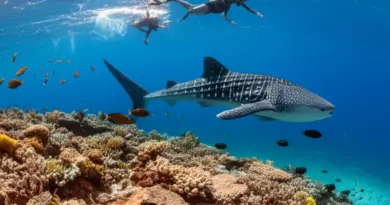
The biodiversity at Menjangan is simply staggering. The island is surrounded by some of the best-preserved coral reefs in Indonesia. Visitors can expect to see a kaleidoscope of marine life, including:
- Anemonefish: Find various species of ‘Nemo’ darting in and out of their host anemones.
- Sea Turtles: Hawksbill and Green turtles are frequently spotted gliding along the reef walls.
- Reef Sharks: Occasional sightings of harmless Blacktip and Whitetip reef sharks in the deeper sections.
- Schooling Fish: Batfish, snapper, and trevally often congregate in large numbers near the drop-offs.
Best Seasons to Visit Menjangan Island
To fully appreciate the wonders of the island, timing is crucial. The Best Seasons to Visit are during the dry season, which typically runs from April to October. During these months, the seas are calmest and the visibility is at its peak. The months of July and August are particularly popular, though they can be busier. Avoid the peak of the rainy season (January and February) if possible, as heavy rains can occasionally reduce visibility and make the boat journey from the mainland less comfortable. However, because Menjangan is in the rain shadow of the mountains, it often remains drier than southern Bali even during the wet season.
| Season | Months | Conditions | Visibility |
|---|---|---|---|
| Dry Season | April – October | Sunny, Calm Seas | Excellent (30m+) |
| Shoulder Season | Nov – Dec / March | Variable, Light Rain | Good (20m+) |
| Wet Season | January – February | Rainy, Choppy | Moderate (10-15m) |
Top Snorkeling Spots on the Island
There are several distinct sites around the island, each offering a unique perspective:
- Coral Garden: Located on the northwest side, this shallow area is perfect for seeing a vast variety of hard and soft corals and is teeming with reef fish.
- Eel Creek: Named after the large colony of garden eels that live in the sandy slopes, this site also features spectacular wall diving.
- Cave Point: Known for its small underwater caves and overhangs where groupers and snappers like to hide.