Batak Ulos Weaving Workshops in Samosir: Learn, Buy, and Support Local Artisans for an Authentic Cultural Experience
- Batak Ulos Weaving Workshops in Samosir: Learn, Buy, and Support Local Artisans for an Authentic Cultural Experience
- The Sacred Art of Ulos: More Than Just Fabric
- Why Visit Batak Ulos Weaving Workshops in Samosir?
- Top Destinations for Ulos Weaving in Samosir
- Tips for Buying Authentic Ulos
- Supporting Local Artisans and Sustainable Tourism
- คำถามที่พบบ่อย (FAQ)
- How long does it take to weave one Ulos?
- Can beginners participate in the workshops?
- What is the best time to visit Samosir for weaving workshops?
Nestled in the heart of North Sumatra, Samosir Island is not just a geological wonder within Lake Toba; it is the beating heart of the Batak Toba culture. Among its many treasures, the most vibrant and spiritually significant is the Ulos. For travelers seeking more than just a scenic view, participating in Batak Ulos Weaving Workshops in Samosir offers a profound connection to Indonesian heritage. These workshops allow visitors to witness the meticulous process of hand-weaving, understand the symbolic meanings behind the patterns, and directly contribute to the preservation of an ancient craft.
The Sacred Art of Ulos: More Than Just Fabric
To the Batak people, Ulos is not merely a garment; it is a symbol of status, a medium for blessings, and a ritual necessity. Historically, there are three sources of warmth for the Batak: the sun, fire, and Ulos. Because the highlands around Lake Toba can be quite chilly, the Ulos became an essential part of daily life and eventually evolved into a ceremonial masterpiece. Each thread and color carries a specific meaning—red for bravery, white for purity, and black for eternity. When you visit Batak Ulos Weaving Workshops in Samosir, you aren’t just looking at textiles; you are reading the history of a civilization.
Why Visit Batak Ulos Weaving Workshops in Samosir?
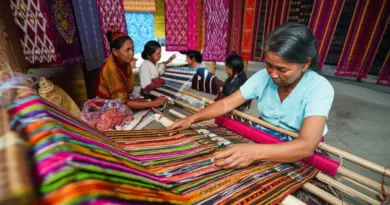
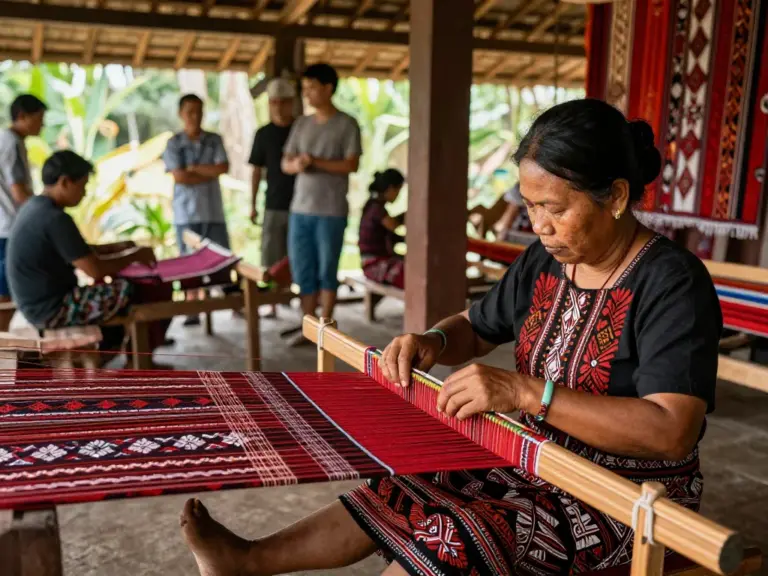
Engaging with local artisans provides a level of immersion that a standard souvenir shop cannot offer. By visiting a workshop, you step into the ‘Huta’ (village) and see the ‘Penenun’ (weavers) at work. These women, often the pillars of their community, use back-strap looms to create intricate designs that can take weeks or even months to complete. Learning from them fosters a sense of appreciation for the labor-intensive nature of slow fashion and traditional craftsmanship.
Hands-on Learning: The Weaving Process
Many workshops in Samosir now offer introductory sessions for tourists. You can try your hand at setting the warp threads or operating the wooden loom under the patient guidance of a master weaver. It is a meditative experience that requires focus and rhythm. This hands-on interaction bridges the gap between the visitor and the local culture, making the ‘Indonesia Tourism’ experience truly authentic.
Top Destinations for Ulos Weaving in Samosir
While Ulos can be found throughout North Sumatra, Samosir Island hosts specific villages renowned for their high-quality craftsmanship. Here are the must-visit spots:
| Village Name | Specialty | Best For |
|---|---|---|
| Lumban Suhi-Suhi | Ulos Mangiring & Sadum | Workshops & Authentic Purchases |
| Huta Raja (Pusuk Buhit) | Traditional Architecture & Weaving | Photography & Cultural History |
| Tomok Village | Ceremonial Ulos | Souvenirs & Market Experience |
Lumban Suhi-Suhi: The Heart of Ulos Huta Raja
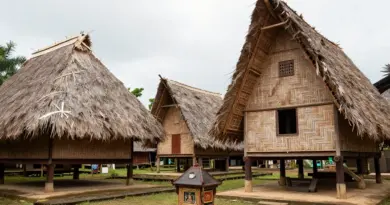
Lumban Suhi-Suhi is perhaps the most famous weaving village on the island. Here, you will see rows of traditional Bolon houses where women sit on their porches weaving. The village has become a model for community-based tourism. When you buy directly from these weavers, 100% of your money stays in the community, helping to fund local education and maintain the traditional houses.
Tips for Buying Authentic Ulos
When participating in Batak Ulos Weaving Workshops in Samosir, you will likely want to take a piece of history home. To ensure you are buying authentic, high-quality Ulos, keep these tips in mind:
Check the Texture: Hand-woven Ulos has a slightly irregular texture compared to machine-made versions. It feels substantial and durable.
Look at the Reverse Side: On a genuine hand-woven piece, the pattern should be visible on both sides, though one side will be the ‘face.’
Ask About the Dyes: Traditional Ulos uses natural dyes derived from plants and minerals. These colors are usually more muted and earthy than synthetic dyes.
Understand the Price: A genuine, hand-woven Ulos can cost anywhere from 500,000 IDR to several million IDR. If the price seems too good to be true, it is likely machine-made.
Supporting Local Artisans and Sustainable Tourism
The survival of Ulos weaving depends on the next generation. By visiting these workshops, you provide an economic incentive for young Batak people to learn the craft from their elders. Sustainable tourism in Samosir isn’t just about protecting the environment; it’s about preserving the living culture. Your support helps ensure that the rhythmic sound of the loom continues to echo through the villages of Lake Toba for centuries to come.
คำถามที่พบบ่อย (FAQ)
References
- Official Indonesia Tourism – Lake Toba Guide
- UNESCO Intangible Cultural Heritage (Context on Indonesian Textiles)
- North Sumatra Statistics Bureau – Cultural Heritage Documentation
- What to Expect from a Batak Ulos Weaving Workshop in Samosir: Class Formats, Duration, and Hands-On Techniques for Beginners
- Where to Buy Authentic Batak Ulos in Samosir: Trusted Shops, Fair Prices, and How to Spot Genuine Handwoven Textiles
- How Participating in Workshops Supports Samosir Artisans: Fair Trade Practices, Community Impact, and Sustainable Tourism