How Participating in Workshops Supports Samosir Artisans: Fair Trade Practices, Community Impact, and Sustainable Tourism
- How Participating in Workshops Supports Samosir Artisans: Fair Trade Practices, Community Impact, and Sustainable Tourism
Samosir Island, nestled in the heart of Lake Toba, North Sumatra, is more than just a scenic destination; it is the cultural heartbeat of the Batak people. For generations, Samosir Artisans have preserved intricate traditions in weaving, wood carving, and music. Today, as the world shifts toward more conscious travel, participating in local workshops has emerged as a vital bridge between preserving heritage and ensuring economic survival. By engaging directly with these creators, travelers contribute to a cycle of empowerment that transcends mere sightseeing.
The Power of Fair Trade Practices in Samosir
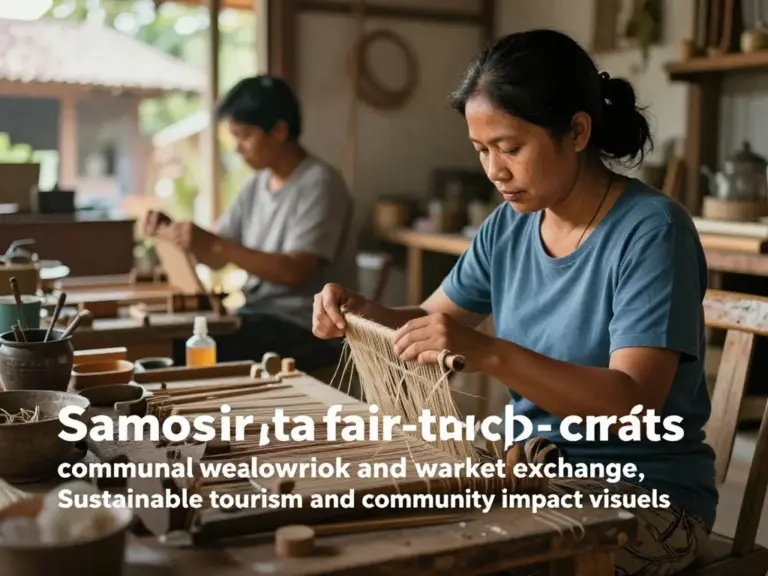
When tourists participate in workshops, they bypass the traditional middleman, ensuring that a larger portion of the proceeds goes directly to the Samosir Artisans. This direct-to-consumer model is a cornerstone of fair trade. It allows weavers and carvers to set prices that reflect the true labor and skill involved in their craft. Instead of mass-produced souvenirs, visitors leave with a piece of art and the knowledge that their purchase supports a living wage, enabling artisans to invest back into their families and tools.
Community Impact: Beyond the Individual
The impact of these workshops ripples through the entire community. By creating a demand for traditional skills, workshops encourage the younger generation to learn ancestral crafts that were once at risk of fading away. This intergenerational knowledge transfer is essential for cultural resilience. Furthermore, workshop revenues often fund community projects, such as local schools or infrastructure, fostering a sense of pride and collective growth among the Batak people.
| Workshop Type | Key Skill Learned | Impact on Artisan |
|---|---|---|
| Ulos Weaving | Hand-loom techniques | Preservation of Batak identity |
| Wood Carving | Gorga motif design | Sustainable use of local timber |
| Traditional Cooking | Batak spice blending | Support for local agriculture |
Sustainable Tourism: A Greener Path for Lake Toba
Sustainable tourism is about minimizing the footprint while maximizing the benefit to the host location. Workshops are inherently sustainable; they require minimal industrial infrastructure and rely on renewable human creativity. By focusing on high-value, slow-travel experiences, Samosir can avoid the pitfalls of over-tourism. This approach protects the delicate ecosystem of Lake Toba while showcasing the Samosir Artisans as stewards of both culture and nature.
Why Your Participation Matters
Every time a traveler sits down to learn the rhythm of the loom or the precision of a chisel, they are validating the artisan’s life work. This recognition is a powerful motivator. It transforms the perception of traditional crafts from “old-fashioned” to “globally significant.” Your presence provides the economic incentive necessary to keep these traditions alive in a rapidly modernizing world.
คำถามที่พบบ่อย (FAQ)
1. Where can I find artisan workshops on Samosir Island?
Most workshops are located in the villages of Tomok and Simanindo. Many local guesthouses can also arrange private sessions with master weavers or carvers.
2. Do I need any prior experience to join a workshop?
No experience is necessary! The Samosir Artisans are patient teachers who tailor the experience to your skill level, whether you are a complete beginner or a seasoned crafter.
3. How does my participation support fair trade?
By paying the workshop fee directly to the artisan or a community-led cooperative, you ensure that the creators receive a fair and transparent wage without middleman deductions.
4. Are the materials used in the workshops sustainable?
Yes, most artisans use locally sourced materials, such as natural dyes for weaving and sustainably harvested wood for carvings, aligning with eco-friendly practices.
References
- Official Indonesia Tourism – Lake Toba Guide
- UNESCO – Toba Caldera Geopark
- World Fair Trade Organization (WFTO)
- Batak Ulos Weaving Workshops in Samosir: Learn, Buy, and Support Local Artisans for an Authentic Cultural Experience
- What to Expect from a Batak Ulos Weaving Workshop in Samosir: Class Formats, Duration, and Hands-On Techniques for Beginners
- Where to Buy Authentic Batak Ulos in Samosir: Trusted Shops, Fair Prices, and How to Spot Genuine Handwoven Textiles