How Weaving Villages Operate: Local Craft Practices, Visitor Experiences, and Economic Empowerment for Artisans
The intricate tapestry of global culture is often best understood through its traditional crafts. Among these, weaving villages stand out as living museums of heritage, particularly in regions like Indonesia. These communities are not merely production centers; they are complex ecosystems where ancient techniques meet modern economic aspirations. By understanding how these villages operate, travelers and enthusiasts can better appreciate the depth of skill required to transform raw fibers into wearable art.
The Internal Mechanics of Weaving Villages
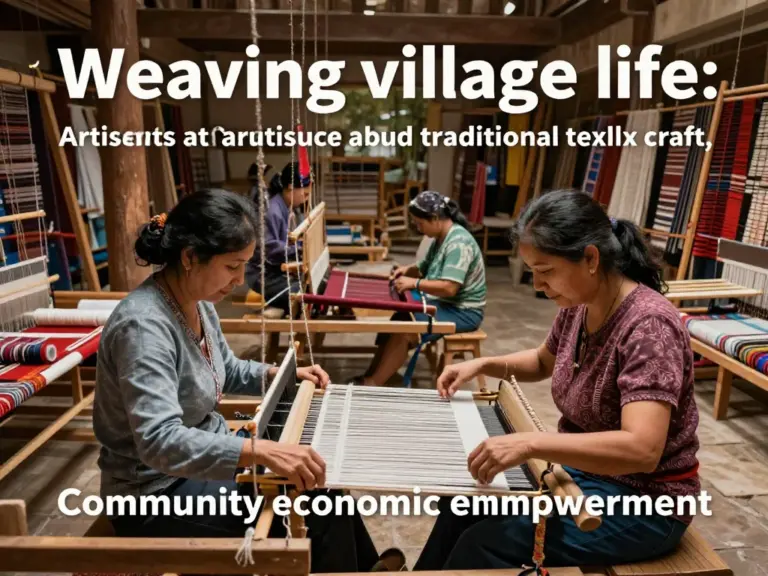
At the heart of every weaving village is a communal structure built around the rhythm of the loom. The operation usually begins with the sourcing of materials. In many Indonesian villages, such as those in Sumba or Flores, artisans still cultivate their own cotton or source silk from local cooperatives. The process is deeply gendered and social; while men might be involved in the structural aspects of the looms or the trade of the finished products, the actual weaving is predominantly a female-led craft, passed down from mother to daughter over generations.
The daily operation involves several stages:
1. Spinning and Preparation: Turning raw fibers into strong threads.
2. Natural Dyeing: Creating vibrant colors from indigo, turmeric, and bark.
3. Warping: Setting up the vertical threads on the loom, a task requiring immense mathematical precision.
4. The Weave: The rhythmic movement of the shuttle that brings the pattern to life.
Visitor Experiences: Bridging Tradition and Tourism
For the modern traveler, visiting weaving villages offers a profound connection to the local culture. Unlike a standard retail experience, visitor experiences in these villages are often immersive. In locations like Sade Village in Lombok or Tenganan in Bali, tourists are invited to sit at the loom, try their hand at the shuttle, and witness the painstaking process of ‘Ikat’ or ‘Songket’ creation. This transparency builds a narrative around the product, justifying the premium price of authentic, handmade textiles compared to factory-made imitations.
- Hands-on workshops with master weavers
- Educational tours about natural dye gardens
- Direct-from-artisan purchasing opportunities
Economic Empowerment for Artisans
The primary goal of modern weaving village operations is the economic empowerment of its residents. By organizing into cooperatives, artisans can bypass exploitative middlemen and sell directly to international markets or visiting tourists. This economic model ensures that a larger share of the profit remains within the community, funding education, healthcare, and the preservation of the craft itself. Furthermore, the recognition of these textiles as ‘Intangible Cultural Heritage’ by organizations like UNESCO provides a sense of pride and professional status to the weavers, encouraging the younger generation to continue the tradition.
Sustainability and the Future of Weaving
Sustainability is inherent in the operation of traditional weaving villages. The use of organic dyes and locally sourced fibers minimizes the environmental footprint. However, the challenge lies in balancing traditional speeds with modern demand. Some villages are now adopting ‘slow fashion’ labels, marketing their products to conscious consumers who value ethics and environmental stewardship over fast-paced trends. This shift ensures the longevity of the village’s economy without compromising the integrity of the craft.
คำถามที่พบบ่อย (FAQ)
How long does it take to make a traditional woven textile?
Are the dyes used in weaving villages safe?
Can I visit weaving villages in Indonesia?
How does buying directly from a weaving village help?
References
UNESCO Intangible Cultural Heritage
Indonesia Travel – Exploring Lombok’s Villages
- Community-Based Tourism in Sumba: Weaving Villages, Beach Cleanups, and Sustainable Community Impact
- Why Community-Based Tourism Matters in Sumba: Benefits for Local Weavers, Conservation, and Cultural Preservation
- Organizing Responsible Beach Cleanups in Sumba: Best Practices, Community Involvement, and Environmental Outcomes