Budget Travel in Indonesia: Daily Costs by Region and Smart Saving Tips for Budget-Conscious Travelers
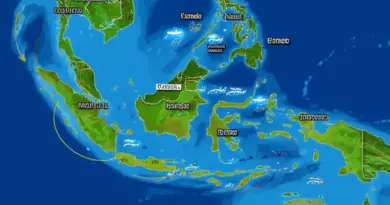
Indonesia is a sprawling archipelago of over 17,000 islands, offering a kaleidoscope of cultures, landscapes, and experiences. For many, Budget Travel in Indonesia is not just a choice but a rewarding way to see the authentic side of the country. From the volcanic peaks of Java to the pristine beaches of Lombok, navigating this vast nation affordably requires a bit of planning and local insight. In this guide, we break down the daily costs by region and provide actionable tips to keep your wallet happy while your spirit explores.
Understanding the Costs: Budget Travel in Indonesia by Region
The cost of traveling in Indonesia varies significantly depending on where you are. While the country is generally affordable, popular tourist hubs and remote islands can see higher price tags due to demand or logistics.
1. Java: The Heart of Affordability
Java is arguably the most budget-friendly island. With an extensive train network and endless ‘Warungs’ (local eateries), you can live comfortably on a shoe-string budget. Cities like Yogyakarta offer incredible value for historical sightseeing and street food.
- Daily Budget: $25 – $35 USD
- Local Meal: $1.50 – $3.00 USD
- Hostel Bed: $7 – $12 USD
2. Bali: The Tourist Magnet
Bali can be as cheap or as expensive as you make it. While Canggu and Seminyak have high-end cafes, sticking to local areas like North Bali or the outskirts of Ubud can keep your Budget Travel in Indonesia goals on track.
- Daily Budget: $35 – $55 USD
- Scooter Rental: $5 – $8 USD per day
- Guesthouse: $15 – $25 USD
3. Sumatra and Sulawesi: The Wild Frontier
These islands are cheaper in terms of daily living but can be more expensive due to transport. Infrastructure is less developed, meaning you might spend more on private cars or long-haul buses to reach remote destinations.
Smart Saving Tips for Budget-Conscious Travelers
Maximizing your experience while minimizing costs is an art. Here are some expert strategies for your next Indonesian adventure:
| Category | Saving Strategy |
|---|---|
| Food | Eat at local Warungs and try ‘Nasi Campur’. |
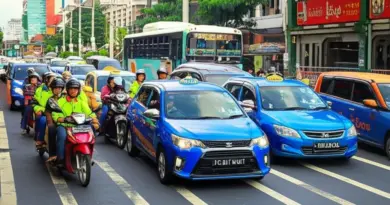
| Transport | Use apps like Gojek or Grab for bikes and cars. |
| Accommodation | Book ‘Homestays’ to support locals and save money. |
| Activities | Hike volcanoes without a guide where safe and legal. |
Travel Tip: Always negotiate prices at local markets, but do so with a smile and respect. It is part of the culture!
Transportation is often the biggest expense after flights. To save money, prioritize the following:
1. Trains in Java: The executive class is comfortable, but ‘Economy’ is perfectly fine for shorter trips and significantly cheaper.
2. Public Ferries: Instead of fast boats between Bali and Lombok, take the public ferry. It takes longer but costs a fraction of the price.
3. Bemos: These are local mini-buses found in smaller towns. They are cramped but offer a truly local experience for pennies.
คำถามที่พบบ่อย (FAQ)
Is Indonesia expensive for tourists?
Generally, no. Indonesia is one of the most affordable destinations in Southeast Asia. However, costs can rise in highly commercialized areas like Southern Bali or for luxury diving trips in Raja Ampat.
What is the average daily cost for a budget traveler?
A budget traveler can expect to spend between $30 and $45 USD per day. This covers basic accommodation, local meals, transport, and a few low-cost activities.
Can I use credit cards in Indonesia?
Credit cards are accepted in hotels, large restaurants, and malls in big cities. However, for budget travel, local markets, and smaller islands, cash (IDR) is absolutely necessary.
What is the cheapest way to travel between islands?
The cheapest way is usually by Pelni ships or public ferries. While slow, they provide an affordable alternative to domestic flights for those with extra time.
References
- How much will you spend per day? Average daily budgets for Java, Bali, Sumatra, Kalimantan, and Sulawesi (food, transport, accommodation)
- Regional cost drivers and seasonal factors: what raises or lowers prices in popular islands and rural areas
- Practical money-saving strategies: transport hacks, budget stays, eating local, and smart activity choices by region