Preparing Your Trip: Permits, Best Seasons, and Reliable Tour Operators for Anak Krakatau Excursions
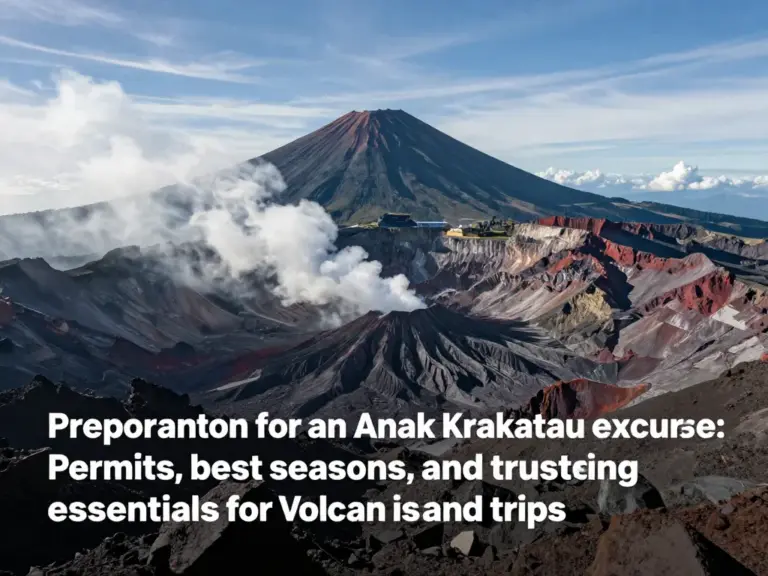
Anak Krakatau, the “Child of Krakatoa,” remains one of the most awe-inspiring and dynamic volcanic sites on the planet. Rising from the depths of the Sunda Strait between Java and Sumatra, this active volcano offers a raw glimpse into the Earth’s geological power. For travelers interested in Preparing Your Trip: Permits, Best Seasons, and Reliable Tour Operators for Anak Krakatau Excursions, understanding the logistical nuances is essential for a safe and rewarding experience. This guide provides a comprehensive roadmap for navigating the complexities of visiting this legendary site.
Understanding the Permit Process
Visiting Anak Krakatau is not as simple as hopping on a boat. The volcano is part of a protected conservation area managed by the Indonesian Ministry of Environment and Forestry. To legally step foot on the islands or even enter the surrounding waters, visitors must secure specific permits. Most travelers obtain these through their tour operators, but it is vital to ensure your provider is actually processing them.
The primary permit required is the SIMAKSI (Surat Izin Masuk Kawasan Konservasi). Additionally, there are entrance fees for the Ujung Kulon National Park or the Krakatau nature reserve, which vary for domestic and international tourists. Ensure you have a digital or physical copy of your passport available for the registration process.
| Permit Type | Typical Cost (Intl.) | Requirement |
|---|---|---|
| SIMAKSI Permit | Varies by group | Passport Copy |
| National Park Entry | IDR 150,000 – 250,000 | Per person/day |
| Camera Fee | IDR 50,000+ | For professional gear |
Choosing the Best Seasons for Your Excursion
The Sunda Strait can be notoriously unpredictable. When Preparing Your Trip: Permits, Best Seasons, and Reliable Tour Operators for Anak Krakatau Excursions, timing is everything. The weather dictates not only your comfort but also your safety on the water.
- Dry Season (May to September): This is the prime window for visiting. The seas are generally calmer, and the visibility is high, allowing for spectacular views of the volcanic cone and clear nights for those camping on nearby islands like Rakata or Sertung.
- Shoulder Season (April and October): These months can offer fewer crowds, but you risk occasional tropical downpours and slightly rougher sea conditions.
- Wet Season (November to March): Generally avoided. High winds and heavy swells can make the boat crossing from Carita or Lampung dangerous. Many operators suspend tours during peak monsoon weeks.
Finding Reliable Tour Operators
Safety should be your number one priority. A reliable operator does more than just provide a boat; they monitor volcanic activity levels and provide safety equipment like life jackets and communication devices. Most excursions depart from either Carita Beach (Banten) or Kalianda (Lampung).
When vetting an operator, ask the following questions: Do they provide a certified volcano guide? Is the boat equipped with twin engines for safety in open water? Do they include insurance in their package? Reputable companies will be transparent about the current exclusion zone (usually 2-5 km from the crater) and will never compromise safety for a closer photo opportunity.
Logistics and Packing Essentials
Since this is a remote expedition, you must be self-sufficient. Even on day trips, the sun and volcanic ash can be taxing. Wear sturdy trekking shoes if you are permitted to hike the lower slopes, and bring high-SPF sunscreen, a wide-brimmed hat, and plenty of water. If you are staying overnight, a lightweight tent and a power bank are essential, as there is no infrastructure on the surrounding uninhabited islands.
คำถามที่พบบ่อย (FAQ)
Is it safe to visit Anak Krakatau right now?
Safety depends entirely on the current alert level set by the Indonesian government. Tours only operate when the volcano is at Level I (Normal) or Level II (Waspada). If the level rises to Level III (Siaga), all excursions are typically cancelled.
How long does the boat journey take?
From Carita Beach, a speedboat takes approximately 1.5 to 2 hours to reach the Krakatau archipelago. From Kalianda in Lampung, the journey is slightly shorter, roughly 1 to 1.5 hours depending on sea conditions.
Can I hike to the summit of the crater?
Currently, hiking to the very top is strictly prohibited due to the unstable nature of the crater rim and frequent gas emissions. Most tours allow trekking only to the “Level 1” shoulder or viewing points on nearby islands.
What should I do if an eruption occurs while I am nearby?
Professional guides are trained to monitor the volcano. In the event of increased activity, the standard procedure is an immediate evacuation to a safe distance (at least 5-7 km away) and heading toward the mainland or the leeward side of larger islands.
Are there age restrictions for this trip?
While there is no official age limit, the boat ride can be bumpy and the heat intense. It is generally recommended for children over 7 years old and adults in good physical health.
References
- MAGMA Indonesia – Volcanic Activity Reports
- Ujung Kulon National Park Official Site
- Wonderful Indonesia Official Tourism Portal
- Trekking the Anak Krakatau Islands: Essential Boat Logistics, Safety Risks, and Planning Tips for Adventurers
- Boat Options and Routing: Types of Vessels, Departure Points, Travel Times, and Navigational Considerations
- On-Board Safety and Emergency Preparedness: Life Jackets, Communication Equipment, Evacuation Plans, and Crew Qualifications