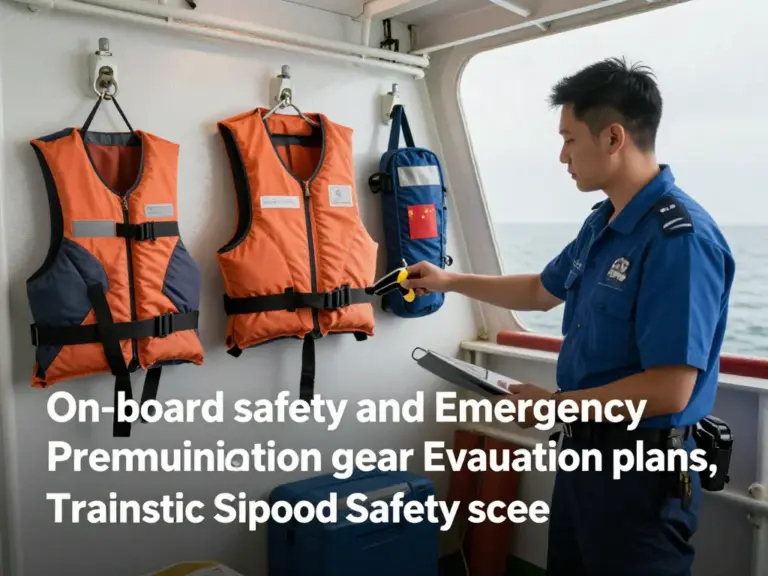
On-Board Safety and Emergency Preparedness: Life Jackets, Communication Equipment, Evacuation Plans, and Crew Qualifications
Exploring the breathtaking archipelago of Indonesia often involves maritime travel, from luxury liveaboards in Komodo to traditional wooden pinisi boats in Raja Ampat. Ensuring On-Board Safety and Emergency Preparedness is not just a regulatory requirement; it is the cornerstone of a responsible and enjoyable tourism experience. This guide explores the critical elements that keep passengers safe while navigating Indonesian waters.
Life Jackets: The First Line of Defense
Life jackets are the most fundamental piece of safety equipment on any vessel. In the context of Indonesia tourism, where sea conditions can change rapidly, having high-quality, accessible life jackets is non-negotiable. Every passenger must have access to a Personal Flotation Device (PFD) that fits correctly. It is essential that these are stored in clearly marked, easily accessible locations.
- SOLAS Approved: Ensure life jackets meet International Convention for the Safety of Life at Sea (SOLAS) standards.
- Whistles and Lights: Quality jackets should include a whistle and a water-activated light for nighttime visibility.
- Child Sizes: Vessels must carry specific sizes for children and infants to ensure maximum buoyancy.
Reliable communication is vital for On-Board Safety and Emergency Preparedness, especially when cruising remote areas of East Nusa Tenggara or Papua. Modern vessels should be equipped with VHF radios, Satellite Phones, and AIS (Automatic Identification System) to maintain contact with coastal authorities and other ships.
| Equipment | Purpose | Importance |
|---|---|---|
| VHF Radio | Short-range communication | High |
| Satellite Phone | Remote area connectivity | Critical |
| EPIRB | Emergency distress signal | Vital |
Evacuation Plans and Emergency Drills
A well-documented evacuation plan is useless if the passengers and crew do not know how to execute it. Upon boarding any Indonesian tourist vessel, a safety briefing should occur. This briefing covers the location of muster stations, the sound of the emergency alarm, and the proper way to don a life jacket. Clear signage in both Indonesian and English is a hallmark of a professional operator.
The Muster Station
The muster station is the designated area where everyone gathers during an emergency. It should be large enough to accommodate all passengers and located near the lifeboats or life rafts.
Crew Qualifications and Training
The human element is the most critical factor in maritime safety. Crew members in the Indonesian tourism sector should hold certifications such as Basic Safety Training (BST). Captains must have the appropriate license for the vessel’s size and the waters they navigate. Expert crews are trained in first aid, fire fighting, and crowd management to handle any situation with composure.
คำถามที่พบบ่อย (FAQ)
What should I look for regarding safety when booking a boat trip in Indonesia?
Ensure the operator provides a safety briefing, has visible life jackets for all ages, and possesses valid maritime permits (Surat Persetujuan Berlayar).
Are life jackets mandatory for all passengers?
Yes, by law and safety standards, there must be a life jacket available for every person on board, and they should be worn during rough weather or when instructed by the captain.
What is an EPIRB?
An Emergency Position Indicating Radio Beacon (EPIRB) is a device that alerts search and rescue services by transmitting a coded message via satellite in the event of a maritime emergency.
How can I verify crew qualifications?
You can ask the tour operator if their crew has undergone Basic Safety Training (BST) and if the captain holds a valid STCW (Standards of Training, Certification, and Watchkeeping) certificate.
References
- International Maritime Organization – SOLAS Standards
- Directorate General of Sea Transportation Indonesia
- Trekking the Anak Krakatau Islands: Essential Boat Logistics, Safety Risks, and Planning Tips for Adventurers
- Preparing Your Trip: Permits, Best Seasons, and Reliable Tour Operators for Anak Krakatau Excursions
- Boat Options and Routing: Types of Vessels, Departure Points, Travel Times, and Navigational Considerations