Why Ternate and Tidore Are the Heart of the Clove Trade: Historical Overview and Searcher Intent Insights
For centuries, the names Ternate and Tidore whispered through the halls of European palaces like a siren’s song. Located in the remote North Maluku archipelago of Indonesia, these twin volcanic islands were once the only places on Earth where cloves grew. This biological monopoly placed them at the absolute center of the global clove trade, sparking a golden age of exploration, immense wealth, and fierce colonial conflict. Today, for travelers interested in Indonesia tourism, these islands offer a profound journey into the origins of our modern interconnected world.
The Biological Monopoly: Nature’s Gift to North Maluku
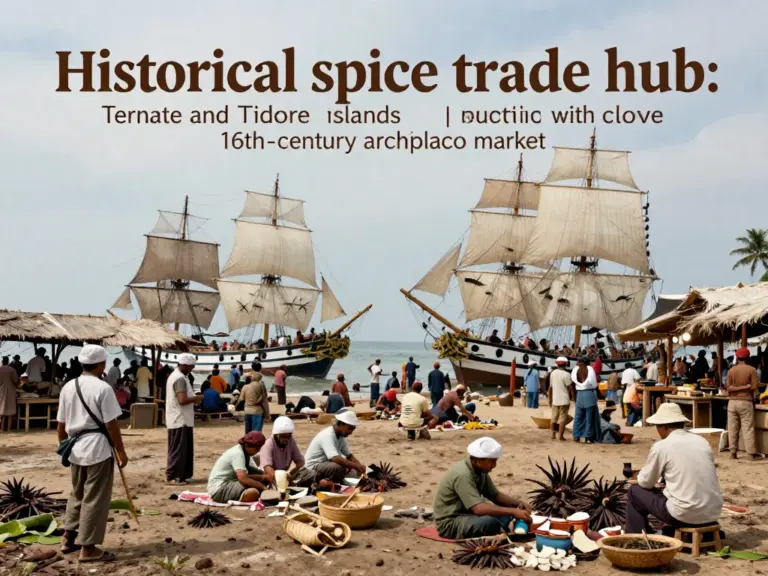
The Syzygium aromaticum, or clove tree, is indigenous only to a small chain of volcanic islands in the Maluku Sea. Ternate and Tidore, dominated by the majestic peaks of Mount Gamalama and Mount Kie Matubu, provided the perfect volcanic soil and tropical climate for these aromatic flower buds to thrive. Before the 16th century, the clove trade was managed by local sultans who traded with Chinese, Arab, and Javanese merchants, long before the first European sails appeared on the horizon.
The European Scramble for the Spice Islands
When the Portuguese reached Malacca in 1511, their primary objective was to find the source of the spices. Their arrival in Ternate in 1512 marked the beginning of a centuries-long struggle for control. The Spanish followed shortly after, reaching Tidore during the Magellan-Elcano expedition. The rivalry between Ternate (allied with the Portuguese) and Tidore (allied with the Spanish) mirrored the broader European geopolitical struggle. Eventually, the Dutch East India Company (VOC) asserted a brutal monopoly over the clove trade, enforcing the ‘Hongitochten’ (extirpation expeditions) to destroy clove trees on any island they did not control.
Cultural Heritage and Tourism Today
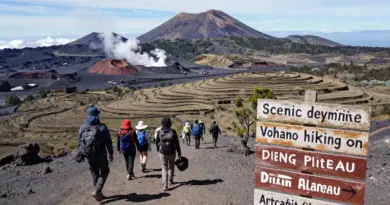
Modern-day Ternate and Tidore are living museums. Visitors can explore the ruins of Fort Tolukko and Fort Oranje in Ternate, or the Kadato Kie (Sultan’s Palace) in Tidore. The air in the highlands still carries the faint, sweet scent of drying cloves. For those seeking an authentic experience in Indonesia tourism, these islands provide a quiet, majestic alternative to the crowded beaches of Bali, offering deep historical resonance and stunning volcanic landscapes.
Searcher Intent: Why Travelers Seek Ternate and Tidore
Understanding the searcher intent for this topic reveals a mix of history buffs, adventure travelers, and cultural researchers. Most users are looking for “off-the-beaten-path” destinations that offer more than just aesthetics. They seek the “why” behind the history of the clove trade. By visiting these islands, travelers aren’t just seeing a landscape; they are stepping into the crucible where the global economy was forged.
| Feature | Ternate | Tidore |
|---|---|---|
| Main Landmark | Fort Oranje | Sultan’s Palace (Kadato Kie) |
| Volcano | Mt. Gamalama | Mt. Kie Matubu |
| Atmosphere | Bustling Port City | Serene and Traditional |
คำถามที่พบบ่อย (FAQ)
Q: Why were Ternate and Tidore so important in history?
A: They were the only original sources of cloves in the world, making them the primary targets for European powers during the Age of Discovery.
Q: How can I reach Ternate and Tidore?
A: You can fly into Sultan Babullah Airport in Ternate from major Indonesian cities like Jakarta or Makassar, then take a short speedboat ride to Tidore.
Q: What is the best time to visit for the clove trade experience?
A: The harvest season usually falls between July and September, when you can see locals drying cloves on mats along the roadsides.
References
Official Indonesia Tourism: Ternate Guide
UNESCO: The Historic City of Ternate
- Ternate and Tidore Heritage Weekend: Exploring Clove History, Colonial Forts, and Cultural Traditions of the Moluccas
- Key Colonial Forts and Historical Sites to Visit: Sultanates, Fort Oranje, and Forts’ Roles in Spice Conflicts
- Clove History and Cultural Practices: From Cultivation to Ceremonies, Local Stories, and Living Heritage