Understanding Permit Types and Fees: Entrance, Trekking, Camping, Guiding, and Conservation Levies (Cost Breakdown by Park)
- Understanding Permit Types and Fees: Entrance, Trekking, Camping, Guiding, and Conservation Levies (Cost Breakdown by Park)
Planning a trip to Indonesia’s stunning wilderness requires more than just a packed bag and a sense of adventure. Navigating the world of national park regulations is essential for any traveler. Understanding Permit Types and Fees is the first step toward a seamless experience, ensuring that your visit contributes directly to the preservation of these unique ecosystems. From the volcanic peaks of Lombok to the dragon-inhabited islands of Komodo, each park operates under a specific fee structure designed to manage tourism impact and fund conservation efforts.
The Multi-Layered Structure of Indonesian Park Fees
When visiting Indonesian National Parks, travelers often encounter a combination of different charges. It is rarely a single ‘entrance ticket.’ Instead, the total cost is often a bundle of various levies. These typically include the basic entrance fee (Simaksi), trekking permits for those heading into the highlands, camping fees for overnight stays, and mandatory guiding fees to ensure visitor safety and environmental protection. Furthermore, many regions have introduced specific conservation levies aimed at local community development and habitat restoration.
Breakdown of Fees by Major National Parks
To help you budget accurately, we have compiled a breakdown of the most popular destinations. Please note that prices are subject to change based on government regulations (PP No. 12 Tahun 2014 and subsequent updates).
1. Komodo National Park (East Nusa Tenggara)
Komodo is famous for its complex fee system. Unlike other parks, you pay for individual activities. If you are diving, trekking, or simply viewing the dragons, expect a cumulative cost. There is also a significant ‘Ranger Fee’ which is mandatory for safety when walking near the Komodo dragons.
| Fee Type | Estimated Cost (International) | Notes |
|---|---|---|
| Entrance Fee | IDR 150,000 – 225,000 | Higher on Sundays/Holidays |
| Trekking/Wildlife Viewing | IDR 10,000 | Per activity |
| Ranger Fee | IDR 80,000 – 120,000 | Per group (up to 5 people) |
| Diving/Snorkeling Levy | IDR 25,000 – 100,000 | Per person/day |
2. Mount Rinjani National Park (Lombok)
Trekking Mount Rinjani requires an advance booking through the ‘e-Rinjani’ mobile app. This system manages daily quotas to prevent overcrowding. The fee includes insurance and trekking permits.
The daily fee for international trekkers is approximately IDR 150,000 per day. Since most treks are 3 days and 2 nights, you must pay for three days of entrance. Guiding and porter fees are separate and usually negotiated through trekking agencies, ranging from IDR 2,000,000 to IDR 5,000,000 depending on the package luxury.
3. Bromo Tengger Semeru (East Java)
Mount Bromo is one of the most visited sites in Indonesia. It uses a strict online booking system. No cash is accepted at the gate. Weekday prices are IDR 220,000, while weekend/holiday prices jump to IDR 320,000 for international tourists.
Understanding Conservation Levies and Indirect Costs
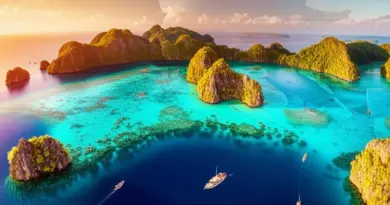
In addition to the standard entrance fees, some regions like Raja Ampat require an ‘Environmental Maintenance Fee’ (often called the PIN). For Raja Ampat, this fee is approximately IDR 1,000,000 (USD $65-70) and is valid for one year. This money goes toward patrolling the marine protected areas and supporting local villages.
Don’t forget the ‘indirect’ fees such as drone permits. If you intend to fly a drone in a National Park, you must apply for a permit which can cost upwards of IDR 1,000,000 per location. Commercial filming is even more expensive, often requiring a special SIMAKSI permit from the Ministry of Environment and Forestry.
- Book in Advance: Parks like Bromo and Rinjani have daily quotas. If you show up without an online reservation, you will likely be turned away.
- Carry Physical ID: Always have a copy of your passport or KITAS handy, as rangers will check this against your permit.
- Cash is King: While booking is online, small fees for local guides or village-level conservation levies are often cash-only.
- Respect the Ranger: Rangers are there to protect you from wildlife (like Komodo dragons) and protect the environment from human impact.
คำถามที่พบบ่อย (FAQ)
Do I need a separate permit for every activity?
In many parks like Komodo, yes. You pay for the entrance, then separate small fees for trekking, snorkeling, and wildlife viewing. In Rinjani, the permit is usually all-inclusive for the duration of your stay.
Why are fees higher for international tourists?
The Indonesian government uses a tiered pricing system where international fees help subsidize the cost of conservation and infrastructure, making the parks accessible and affordable for local citizens.
How do I pay for the Bromo entrance fee?
You must book and pay online through the official Bromo Tengger Semeru National Park website. There are no on-site ticket sales for the entrance fee.
Is a guide mandatory for all treks?
In most high-risk or sensitive areas (like Rinjani or Komodo), a certified guide or ranger is mandatory for safety and to prevent environmental damage.
References
- Official Indonesia Tourism Portal
- Ministry of Environment and Forestry (KLHK)
- Mount Rinjani National Park Official
- National Park Permits in Indonesia: Complete Guide to Booking Offices, Fees, and Visitor Conduct
- How to Find and Book National Park Permits in Indonesia: Official Offices, Online Portals, and Peak-Season Tips
- Required Documents, Eligibility, and Advance Booking Timelines for Popular Parks (Komodo, Gunung Rinjani, Bromo-Tengger-Semeru, Lorentz)