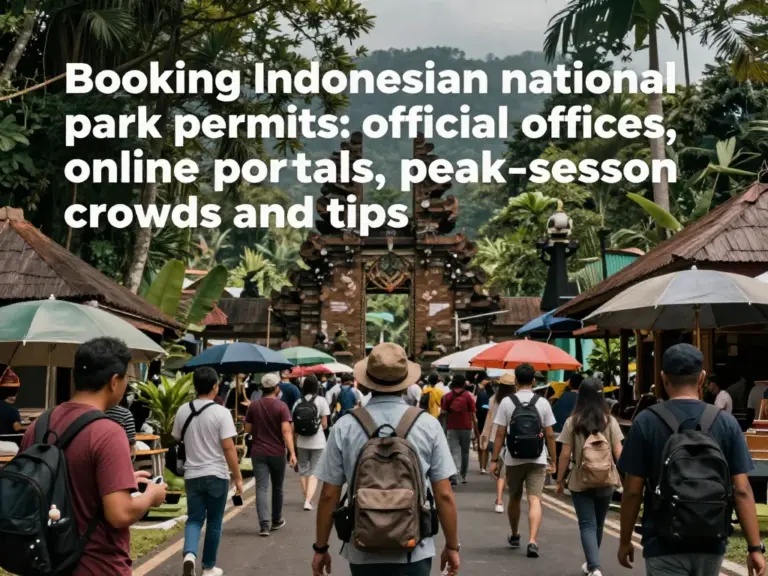
How to Find and Book National Park Permits in Indonesia: Official Offices, Online Portals, and Peak-Season Tips
Exploring the lush rainforests, volcanic peaks, and vibrant marine ecosystems of Indonesia requires more than just a backpack and a sense of adventure. To protect its unique biodiversity, the Indonesian government mandates specific national park permits in Indonesia for visitors. Whether you are planning to trek the mighty Mount Rinjani or dive in the crystal-clear waters of Komodo National Park, understanding the bureaucratic landscape is essential for a seamless journey.
Understanding the SIMAKSI System
The primary permit required for entering protected areas in Indonesia is known as SIMAKSI (Surat Izin Masuk Kawasan Konservasi). This permit is issued by the Ministry of Environment and Forestry through the Balai Konservasi Sumber Daya Alam (BKSDA) or the specific National Park Authority (Balai Taman Nasional). The permit serves as a legal entry document and often includes insurance coverage for the duration of your stay.
Online Portals: The Modern Way to Book
In recent years, Indonesia has transitioned many of its popular parks to online booking systems to manage visitor quotas effectively. This is particularly true for high-traffic destinations. For instance, hikers wishing to summit Mount Semeru or Mount Bromo must use the official booking portal managed by the Bromo Tengger Semeru National Park authority. Similarly, Mount Rinjani on Lombok utilizes the ‘e-Rinjani’ mobile application for all trekking reservations.
When using these portals, you will typically need to upload a copy of your passport (for foreigners) or KTP (for locals), provide a health certificate from a doctor, and pay the entrance fees via a bank transfer or digital payment gateway. Ensure you book well in advance, as popular dates can sell out months ahead.
Visiting Official Offices for Manual Permits
For less commercialized parks, such as those in Kalimantan or West Papua, you may still need to visit a physical Balai Taman Nasional office. These offices are usually located in the nearest major city to the park. For example, permits for Tanjung Puting National Park are often coordinated through local operators or the office in Pangkalan Bun.
| National Park | Primary Permit Method | Location/Portal |
|---|---|---|
| Mount Rinjani | Online App | e-Rinjani App |
| Komodo | On-site/Online | Labuan Bajo Office |
| Bromo Tengger Semeru | Online Portal | bookingbromo.bromotenggersemeru.org |
| Gunung Leuser | Manual | Bukit Lawang/Ketambe Offices |
Peak-Season Tips for Travelers
The peak season for most Indonesian national parks coincides with the dry season, from May to September. During this time, securing national park permits in Indonesia becomes significantly more competitive. To ensure your spot, follow these strategies:
- Book 3 Months Early: For Mount Rinjani and Bromo, the booking window often opens 3 months in advance.
- Avoid Public Holidays: Local holidays like Lebaran (Eid al-Fitr) and Independence Day (August 17th) see a massive surge in local tourism.
- Use Registered Operators: Many parks require you to hike with a registered guide. These operators often handle the permit process for you, reducing bureaucratic stress.
- Check for Closures: Parks often close for ecosystem recovery or due to volcanic activity. Check official social media accounts (Instagram is highly active for Indonesian authorities) before traveling.
Essential Documents Checklist
Before heading to the park office or logging onto a portal, have these items ready:
- Valid Passport with at least 6 months validity.
- Health Certificate (Surat Keterangan Sehat) issued within 3 days of your entry date.
- Emergency contact information.
- Proof of payment (if paying via bank transfer).
คำถามที่พบบ่อย (FAQ)
Q1: Can I buy a permit directly at the park entrance?
A: It depends on the park. Major parks like Bromo and Rinjani require pre-booking online. Smaller parks may allow on-site registration, but it is always safer to check in advance.
Q2: Why do I need a health certificate for hiking?
A: Indonesian authorities require a health certificate to ensure visitors are physically fit for strenuous activities, reducing the risk of medical emergencies in remote areas.
Q3: Are permit fees different for foreigners and Indonesians?
A: Yes, there is a two-tier pricing system. Foreigners typically pay a higher entrance fee compared to Indonesian citizens or KITAS holders.
Q4: What happens if I enter a national park without a permit?
A: Entering without a permit is illegal. You may face fines, be escorted out by rangers, or in some cases, be blacklisted from future entries.
References
- Ministry of Environment and Forestry (KLHK) Indonesia
- Official Bromo Tengger Semeru Booking Portal
- Rinjani National Park Authority
- National Park Permits in Indonesia: Complete Guide to Booking Offices, Fees, and Visitor Conduct
- Understanding Permit Types and Fees: Entrance, Trekking, Camping, Guiding, and Conservation Levies (Cost Breakdown by Park)
- Required Documents, Eligibility, and Advance Booking Timelines for Popular Parks (Komodo, Gunung Rinjani, Bromo-Tengger-Semeru, Lorentz)