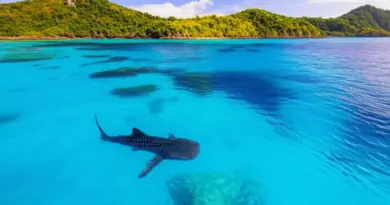
Indonesia, an archipelago of over 17,000 islands, presents a unique logistical challenge for both locals and international tourists. The beauty of the nation lies in its dispersed wonders, from the volcanic landscapes of Java to the pristine beaches of the Gili Islands. However, the transition between sea and land transport often remains a friction point. By designing integrated routes and schedules, Indonesia can transform its tourism sector into a seamless, efficient, and environmentally friendly powerhouse.
The Need for Integrated Routes and Schedules in Indonesia
Currently, many travelers face the “last-mile” problem upon disembarking from a ferry. Whether arriving at Padang Bai in Bali or Lembar in Lombok, the lack of integrated routes and schedules often leads to long wait times, aggressive haggling with unauthorized transport providers, and overall traveler fatigue. An integrated system ensures that as soon as a ferry docks, a network of bemos and shared car services is ready to depart, guided by a unified digital or physical timetable.
From an environmental perspective, the lack of coordination leads to “dead mileage”—vehicles driving empty or idling for hours while waiting for passengers. By optimizing these connections, we can significantly reduce the carbon footprint of every visitor, aligning with Indonesia’s commitment to sustainable development goals (SDGs).
The synergy between different modes of transport requires a three-tiered approach: infrastructure, information, and scheduling.
Bridging the Gap at Ferry Terminals
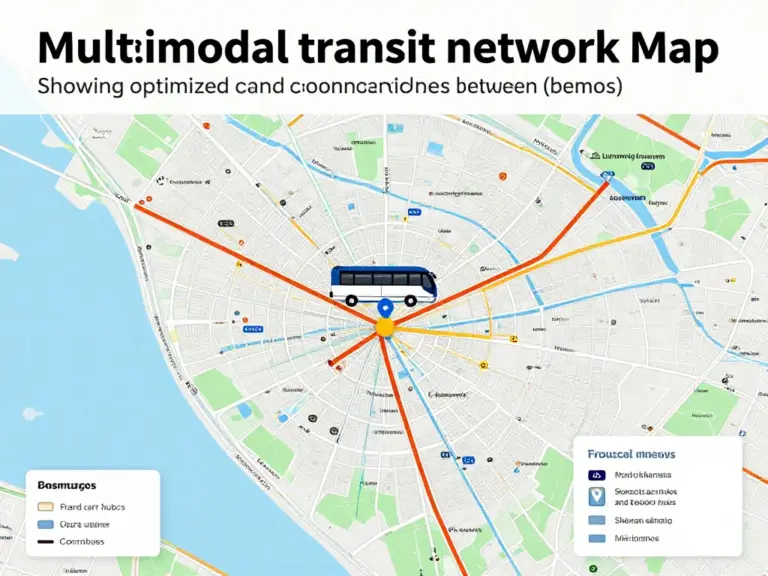
Ferry terminals should serve as multi-modal hubs. Instead of disparate parking lots, terminals need dedicated bays for bemos (traditional Indonesian minivans) and digital kiosks for shared car services. When integrated routes and schedules are implemented, ferry delays are communicated in real-time to the land transport providers, allowing them to adjust their departure times accordingly.
| Transport Mode | Role in Integration | Impact on Emissions |
|---|---|---|
| Ferries | Primary inter-island link | High efficiency per passenger |
| Bemos | Short-distance local dispersal | Reduces need for private cars |
| Shared Car Hubs | Mid-to-long distance group travel | Optimizes vehicle occupancy |
The Evolution of Bemo Routes
Bemos are a cultural staple in Indonesia. To modernize them, their routes must be mapped digitally and synchronized with ferry manifests. By providing bemo drivers with predictable schedules based on ferry passenger volume, they can operate more profitably while offering tourists a reliable, low-cost way to reach their hotels or local attractions.
Reducing Emissions through Smart Logistics
The core of reducing emissions in the transport sector is the reduction of “empty seats” and “idle time.” When we focus on integrated routes and schedules, we are essentially performing load balancing. Shared car hubs, such as those utilized by Grab or Gojek in collaboration with local cooperatives, allow multiple travelers heading to the same destination (e.g., from Sanur to Ubud) to share a single vehicle.
Enhancing the Tourist Experience
For a tourist, convenience is king. Imagine booking a single ticket that covers the fast boat from Bali, a bemo transfer to the shared car hub, and a final car ride to a remote village in North Lombok. This level of integration eliminates the stress of negotiation and the risk of being stranded. It builds trust in the Indonesian tourism brand, encouraging longer stays and more exploration of off-the-beaten-path locations.
คำถามที่พบบ่อย (FAQ)
Q1: What are integrated routes and schedules?
Answer: They are synchronized transport plans that align the timing and paths of different transport modes (like ferries and buses) to minimize wait times and improve efficiency.
Q2: How do bemos fit into modern tourism?
Answer: Bemos provide essential local connectivity. When integrated into a digital schedule, they offer an authentic and affordable way for tourists to travel short distances from major hubs.
Q3: Why is transport integration important for the environment?
Answer: It reduces fuel consumption by minimizing idle times and ensuring vehicles operate at higher occupancy rates, leading to lower CO2 emissions per passenger.
Q4: Can I book these integrated routes online?
Answer: While the system is still evolving in many parts of Indonesia, platforms like Grab and local ferry booking sites are increasingly collaborating to offer combined transport options.
References
Wonderful Indonesia Official Tourism Portal
Ministry of Transportation Republic of Indonesia
UNDP Indonesia: Sustainable Development Goals
- Sustainable Island Transport: How Public Boats, Bemos, and Shared Cars Can Create Greener, Equitable Mobility
- Why sustainable island transport matters: environmental, social, and economic benefits of public boats, bemos, and shared cars
- Vehicle and fuel choices for islands: electric/hybrid boats, low-emission bemos, and sustainable charging solutions for shared cars