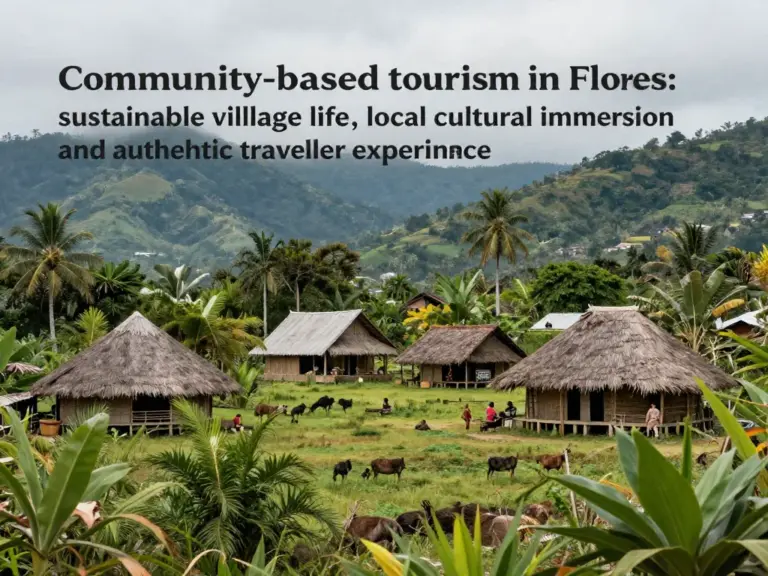
Why community-based tourism matters in Flores: sustainable benefits for locals and authentic experiences for travelers
- Why community-based tourism matters in Flores: sustainable benefits for locals and authentic experiences for travelers
Flores, a ruggedly beautiful island in Indonesia’s East Nusa Tenggara province, is rapidly becoming a premier destination for those seeking more than just a typical holiday. As global travel trends shift toward deeper engagement, understanding why community-based tourism matters in Flores becomes essential. This model of tourism ensures that the heartbeat of the island—its people—remains at the center of its growth, offering sustainable benefits for locals and unparalleled authentic experiences for travelers.
The Essence of Community-Based Tourism in Flores
Community-Based Tourism (CBT) is an initiative where local residents invite tourists to visit their communities with the provision of overnight accommodation and cultural activities. In Flores, this isn’t just a business model; it is a preservation strategy. From the spider-web rice fields of Ruteng to the traditional megalithic villages of Bajawa, CBT allows villages to manage their own resources while showcasing their unique heritage without compromising their values.
Sustainable Benefits for Local Communities
The primary reason why community-based tourism matters in Flores is the direct economic impact. Unlike large-scale resort developments where profits often leak out of the region, CBT ensures that the money stays within the village. This income supports education, healthcare, and infrastructure. Furthermore, it empowers women and youth by creating jobs in hospitality, guiding, and artisanal crafts like Tenun Ikat weaving.
Authentic Experiences for the Modern Traveler
For the traveler, the rewards are equally profound. Instead of being a mere observer, you become a guest. You might find yourself learning how to process coffee in Colol, staying in a traditional Mbaru Niang circular house in Wae Rebo, or participating in a traditional dance in Ngada. These interactions foster mutual respect and a deeper understanding of the Indonesian philosophy of ‘Gotong Royong’ (mutual cooperation).
| Feature | Traditional Tourism | Community-Based Tourism |
|---|---|---|
| Accommodation | International Hotels | Local Homestays |
| Economic Impact | Leakage to Corporations | Direct Local Income |
| Cultural Exchange | Staged Performances | Genuine Daily Life |
Preserving the Environment and Culture
Sustainability in Flores goes beyond the economy; it involves the protection of the island’s pristine landscapes. Community-led initiatives often include conservation efforts, such as protecting the Komodo Dragon habitats or managing water usage in mountain villages. By valuing their natural assets as tourist attractions, locals are incentivized to protect them from exploitative industries.
How to Support CBT in Flores
To ensure your visit contributes positively, consider booking through local cooperatives, staying in registered homestays, and hiring local guides who are certified by the community. Respecting local customs, such as dressing modestly and asking permission before taking photos, ensures that the relationship between traveler and host remains harmonious and sustainable for generations to come.
คำถามที่พบบ่อย (FAQ)
What is the best way to find community-based tours in Flores?
The best way is to contact local tourism boards in Labuan Bajo or Ruteng, or use platforms that specialize in sustainable travel and connect travelers directly with village cooperatives.
Is it safe to stay in village homestays in Flores?
Yes, it is very safe. The people of Flores are known for their extraordinary hospitality. Homestays are vetted by local communities to ensure basic hygiene and safety standards are met.
Does community-based tourism help preserve local languages?
Yes, by making cultural heritage a point of pride and an economic asset, younger generations are more motivated to learn and maintain their ancestral languages and traditions to share with visitors.
What should I bring when visiting a remote village in Flores?
It is helpful to bring small useful gifts for the community (like books for schools), reusable water bottles to minimize plastic waste, and cash in small denominations as there are no ATMs in remote areas.
References
- Community-Based Tourism in Flores: Homestays, Weaving Villages, and Local Food Experiences
- How to choose the best homestays in Flores: safety, cultural immersion, and booking tips for responsible travelers
- Exploring weaving villages: traditional techniques, artisans’ stories, and where to buy authentic ikat textiles