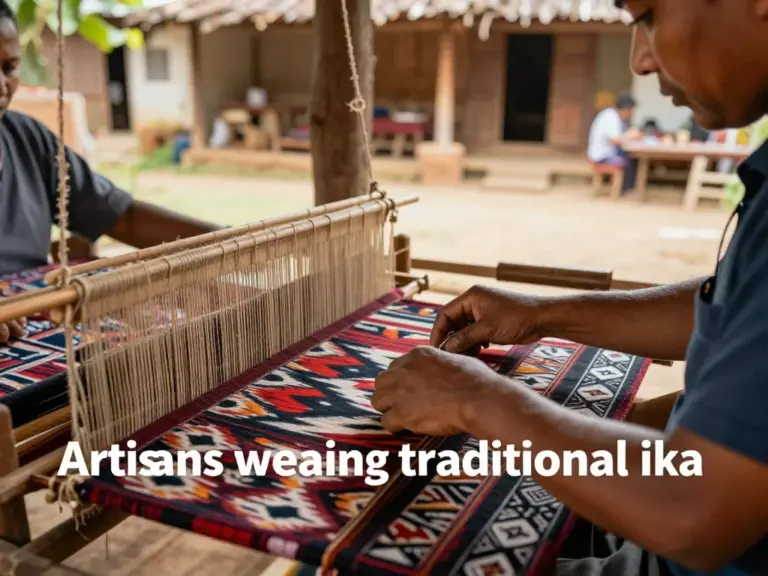
Exploring weaving villages: traditional techniques, artisans’ stories, and where to buy authentic ikat textiles
- Exploring weaving villages: traditional techniques, artisans’ stories, and where to buy authentic ikat textiles
- The Soul of Indonesian Textiles: Traditional Techniques
- Artisans’ Stories: The Keepers of Ancient Heritage
- Where to Buy Authentic Ikat Textiles
- Tips for Responsible Tourism
- คำถามที่พบบ่อย (FAQ)
- What is the difference between Ikat and Songket?
- How can I tell if an Ikat is naturally dyed?
- Is it okay to wear Ikat as a foreigner?
Indonesia is a vast archipelago where every island tells a story through its threads. For those interested in exploring weaving villages, the journey is more than just a shopping trip; it is a deep dive into the spiritual and cultural heart of the nation. From the intricate patterns of Sumba to the double-ikat of Bali, these textiles, known locally as Tenun, represent the identity, social status, and ancestral wisdom of the people who create them.
The Soul of Indonesian Textiles: Traditional Techniques
The word ‘Ikat’ comes from the Malay-Indonesian word meaning ‘to tie’ or ‘to bind.’ This refers to the resist-dyeing process where sections of the yarn are tied tightly with fiber to prevent dye from reaching them, creating complex patterns before the fabric is even woven. While modern machinery has introduced faster ways to produce fabric, the traditional villages still adhere to the Gedogan (backstrap loom) method. This manual process can take months, or even years, for a single piece of cloth.
Natural dyes are the hallmark of authentic ikat. Artisans use indigo leaves for blues, morinda roots for reds, and turmeric for yellows. The patience required to extract these colors from nature is a testament to the artisan’s dedication to their craft. Exploring weaving villages allows travelers to see these dye pots firsthand and understand why a single natural-dyed sarong can cost hundreds of dollars.
Artisans’ Stories: The Keepers of Ancient Heritage
In many Indonesian cultures, weaving is a matrilineal tradition passed down from mother to daughter. For a young woman in East Nusa Tenggara (NTT), her ability to weave is often seen as a rite of passage into adulthood. These artisans aren’t just making cloth; they are weaving prayers and histories into the warp and weft. Each motif—whether it be a crocodile representing strength or a tree of life representing the universe—carries a specific meaning.
One weaver in Sumba, Mama Rambu, explains that her patterns come to her in dreams. To her, the loom is a sacred space. When you sit with these artisans, you realize that their stories are the fabric of Indonesia itself. By exploring weaving villages, you contribute to the economic sustainability of these communities, ensuring that the younger generation sees a future in maintaining these ancient skills.
Where to Buy Authentic Ikat Textiles
Finding authentic ikat requires a bit of travel and a keen eye. While markets in Jakarta or Bali’s tourist hubs sell ‘ikat-style’ prints, the real treasures are found at the source. Here are the top locations for exploring weaving villages and purchasing genuine textiles:
| Region | Village Name | Specialty |
|---|---|---|
| Bali | Tenganan Pegringsingan | Double Ikat (Geringsing) |
| East Sumba | Prailiu & Lambanapu | Hinggi (Men’s wrap) & Lau (Women’s skirt) |
| Lombok | Sade & Sukarara | Songket and Ikat combinations |
| Flores | Watublapi | Natural dye indigo patterns |
In Tenganan, Bali, you can find the rare Geringsing cloth, which is believed to have protective powers. In Sumba, the textiles are bold and figurative, often featuring animals and human figures. When buying, look for the ‘front’ and ‘back’ of the fabric; authentic hand-woven ikat will look almost identical on both sides, whereas machine prints will have a distinct, faded ‘wrong’ side.
Tips for Responsible Tourism
When exploring weaving villages, buy directly from the artisan or a village cooperative. This ensures that the majority of the profit stays within the community. Avoid aggressive bargaining; remember that a single piece of ikat represents weeks of labor and years of training. Respect the local customs, dress modestly, and consider hiring a local guide who can translate the stories behind the patterns.
คำถามที่พบบ่อย (FAQ)
References
- Official Indonesia Tourism – Exploring Sumba
- UNESCO Intangible Cultural Heritage – Indonesian Textiles
- Community-Based Tourism in Flores: Homestays, Weaving Villages, and Local Food Experiences
- Why community-based tourism matters in Flores: sustainable benefits for locals and authentic experiences for travelers
- How to choose the best homestays in Flores: safety, cultural immersion, and booking tips for responsible travelers