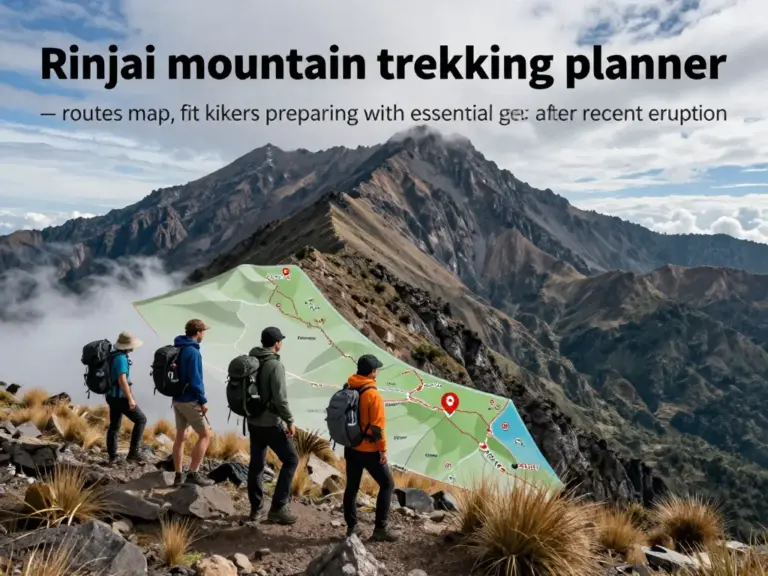
Rinjani Trek Planner: Complete Guide to Routes, Fitness Preparation, Essential Gear, and Post-Eruption Safety Updates
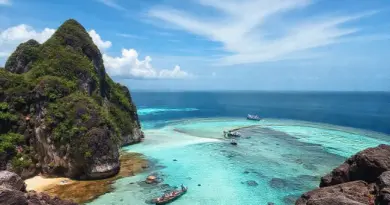
Mount Rinjani, towering at 3,726 meters on the island of Lombok, is not just a mountain; it is a pilgrimage for trekking enthusiasts worldwide. As the second-highest volcano in Indonesia, it offers a dramatic landscape of crater lakes, hot springs, and rugged peaks. However, conquering this giant requires more than just enthusiasm. This Rinjani Trek Planner is designed to provide you with the essential knowledge needed to navigate the trails safely and successfully, especially following recent seismic activities that have reshaped the terrain.
Understanding the Primary Trekking Routes
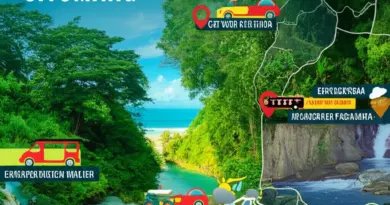
There are several gateways to the summit, each offering a unique perspective of the park. Choosing the right one is the first step in your Rinjani Trek Planner strategy.
- Sembalun Route: Popular for summit attempts. It starts at a higher elevation (1,156m) and traverses vast grasslands before the steep climb to the crater rim.
- Senaru Route: Known for its lush tropical rainforests. It is the most common route for those visiting the crater lake (Segara Anak) without necessarily pushing for the summit.
- Torean Route: Recently popularized for its spectacular valley views and waterfalls, offering a more ‘Jurassic Park’ feel than the other paths.
| Route | Difficulty | Key Highlights |
|---|---|---|
| Sembalun | Hard | Summit Access, Savannahs |
| Senaru | Moderate | Rainforest, Crater Rim Views |
| Torean | Hard | Waterfalls, Deep Valleys |
Fitness Preparation: Training for the Ascent
The Rinjani trek is physically demanding. You will encounter steep inclines, loose volcanic scree, and thin air at high altitudes. A solid Rinjani Trek Planner includes at least 8-12 weeks of physical conditioning. Focus on cardiovascular endurance (running, cycling) and leg strength (squats, lunges). Hiking with a weighted pack is the best way to simulate the actual conditions of the trek.
Essential Gear Checklist
Packing correctly can make or break your experience. Temperatures at the summit can drop to freezing, while the base remains tropical. Use a layering system:
- Base Layer: Moisture-wicking fabric.
- Insulation: A high-quality down jacket or fleece.
- Outer Shell: Waterproof and windproof jacket.
- Footwear: Broken-in trekking boots with excellent grip.
- Accessories: Headlamp (essential for summit night), trekking poles, and a 30L daypack.
Post-Eruption Safety Updates
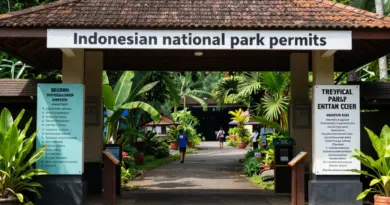
Following the 2018 earthquakes and subsequent volcanic shifts, certain sections of the trail were rerouted. The path from the crater rim down to the lake is now strictly monitored. Safety is paramount; hikers must register through the e-Rinjani app and are legally required to hire a certified guide and porters. This not only ensures your safety but also supports the local economy of Lombok.
คำถามที่พบบ่อย (FAQ)
Q1: When is the best time to trek Mount Rinjani?
A: The trekking season is generally from April to January. The peak season is during the dry months of July and August. The park is usually closed from January to March due to heavy monsoon rains.
Q2: Do I really need a guide for the Rinjani trek?
A: Yes. National Park regulations require all foreign and domestic tourists to be accompanied by a licensed guide to ensure safety and environmental protection.
Q3: How many days does the trek take?
A: Most itineraries range from 2 days/1 night (rim only) to 4 days/3 nights (summit, lake, and hot springs). A 3-day/2-night trek is the most popular balance.
Q4: Is water available on the trail?
A: Porters carry water for cooking and drinking, but it is highly recommended to bring a reusable bottle and perhaps water purification tablets for emergencies.
References
- Best Rinjani Trek Routes Explained — Choosing Between Senaru, Sembalun, and Rim Walks for Your Skill Level and Timeframe
- How to Train for Rinjani — Trekking Fitness Plans, Altitude Prep, and Packing a Nutrition Schedule for Multiday Hikes
- Essential Gear Checklist for Rinjani Treks — Boots, Clothing Layers, Safety Kit, and Lightweight Camping Options for Rainy/Terrain Conditions