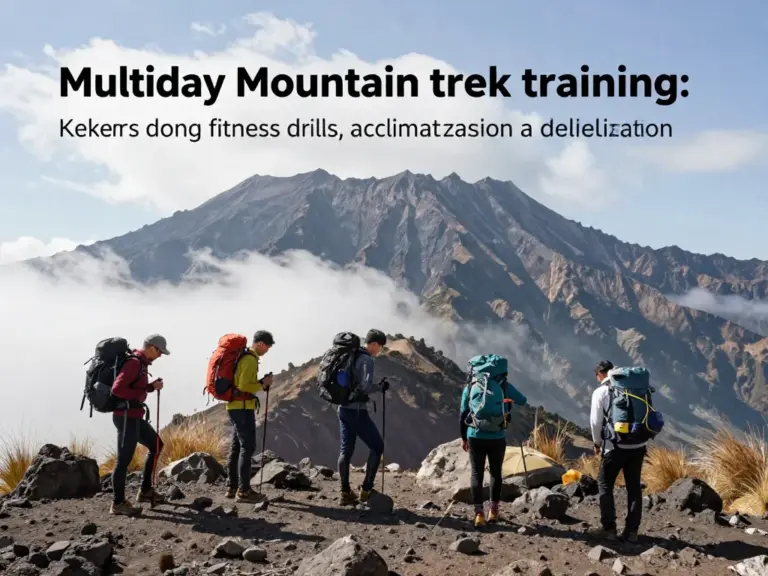
How to Train for Rinjani — Trekking Fitness Plans, Altitude Prep, and Packing a Nutrition Schedule for Multiday Hikes
Mount Rinjani, standing tall at 3,726 meters on the island of Lombok, is one of Indonesia’s most rewarding yet challenging peaks. Learning How to Train for Rinjani is essential for anyone looking to conquer the ‘Scree Slope’ and enjoy the breathtaking views of Segara Anak lake. This guide provides a comprehensive roadmap for physical conditioning, altitude acclimatization, and nutritional strategies tailored for this iconic multiday hike.
Understanding the Challenge: Why You Need a Rinjani Fitness Plan
Trekking Rinjani is not a casual walk in the park. The ascent involves steep inclines, loose volcanic soil (scree), and significant elevation gain over 2 to 4 days. A proper fitness plan focuses on three pillars: cardiovascular endurance, leg strength, and mental toughness. You will be hiking for 6–10 hours a day, often starting before dawn for the summit push.
Phased Trekking Fitness Plans
To effectively prepare, start your training at least 8–12 weeks before your trip. Here is a breakdown of how to structure your workouts:
- Weeks 1-4: Building a Base – Focus on steady-state cardio (jogging, swimming) for 30-45 minutes, three times a week.
- Weeks 5-8: Strength and Incline – Incorporate lunges, squats, and step-ups. Start hiking local trails with a 5kg backpack.
- Weeks 9-12: Peak Conditioning – Increase pack weight to 10kg. Focus on ‘Stairmaster’ sessions or hill repeats to simulate the Rinjani incline.
Altitude Prep: Adapting to the Thin Air
While you cannot fully simulate 3,726m at sea level, you can prepare your respiratory system. High-intensity interval training (HIIT) helps improve your VO2 max, making your body more efficient at using oxygen. If possible, spend a few days in Senaru or Sembalun (the base villages) before starting the climb to help your body begin the acclimatization process naturally.
Packing a Nutrition Schedule for Multiday Hikes
Fueling your body is critical when burning 3,000+ calories a day. Your nutrition schedule should prioritize complex carbohydrates for sustained energy and electrolytes to prevent cramping in the tropical heat.
| Time | Nutrient Focus | Example Food |
|---|---|---|
| Breakfast | Slow-release Carbs | Oatmeal with bananas/honey |
| During Hike | Quick Energy & Salts | Energy gels, salted peanuts, dried fruit |
| Lunch | Protein & Carbs | Nasi Goreng or pasta |
| Post-Hike/Dinner | Recovery Protein | Chicken curry or Tempeh with rice |
Essential Gear and Packing for Rinjani
Even with the best fitness, the wrong gear can end your trek early. Ensure you have broken-in trekking boots with deep lugs for the loose gravel. A headlamp is mandatory for the 2 AM summit push, and trekking poles are highly recommended to save your knees during the steep descent to the lake.
คำถามที่พบบ่อย (FAQ)
Q: How hard is the Rinjani summit climb?
A: It is considered difficult. The final 3-4 hours are on loose volcanic ash where for every two steps forward, you slide one step back. Physical preparation is vital.
Q: Do I need to worry about altitude sickness on Rinjani?
A: Yes, mild symptoms like headaches or nausea are common. Drinking plenty of water and climbing slowly (‘Palan-palan’ in Indonesian) helps mitigate risks.
Q: What is the best month to trek Rinjani?
A: The dry season from April to September is best. The park is usually closed during the rainy season (January to March) for safety.
References
Official Mount Rinjani National Park Information
Wonderful Indonesia – Mount Rinjani Guide
- Rinjani Trek Planner: Complete Guide to Routes, Fitness Preparation, Essential Gear, and Post-Eruption Safety Updates
- Best Rinjani Trek Routes Explained — Choosing Between Senaru, Sembalun, and Rim Walks for Your Skill Level and Timeframe
- Essential Gear Checklist for Rinjani Treks — Boots, Clothing Layers, Safety Kit, and Lightweight Camping Options for Rainy/Terrain Conditions