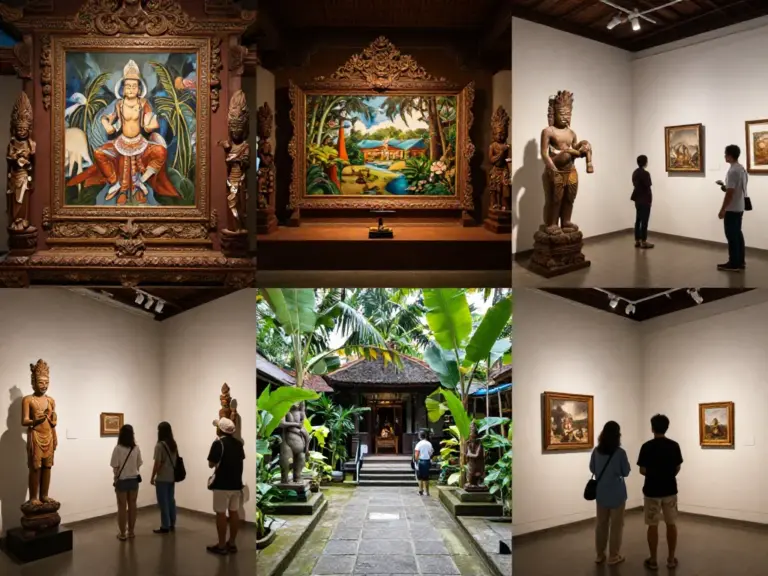
Best Museums and Galleries in Ubud: What to See, Opening Hours, and Ticket Tips for Art Enthusiasts
- Best Museums and Galleries in Ubud: What to See, Opening Hours, and Ticket Tips for Art Enthusiasts
Ubud is widely recognized as the beating heart of Bali’s cultural and artistic landscape. For decades, this highland town has acted as a sanctuary for creators, attracting both local masters and international visionaries. If you are planning a trip to Bali, exploring the Best Museums and Galleries in Ubud is an essential experience to truly understand the island’s spiritual and creative identity. From classical Kamasan-style paintings to contemporary masterpieces, the museums here offer a profound journey through time and technique.
1. Agung Rai Museum of Art (ARMA)
The Agung Rai Museum of Art, commonly known as ARMA, is more than just a gallery; it is a living cultural center. Founded by Agung Rai, a man dedicated to the preservation of Balinese art, the museum houses an extensive collection that spans various eras. Here, you can find the only work by the legendary German painter Walter Spies available for public viewing in Bali. The architecture itself is a masterpiece, featuring traditional Balinese pavilions surrounded by lily ponds and manicured lawns.
What to See at ARMA
- Traditional Kamasan paintings on tree bark.
- Works by influential foreign artists like Rudolf Bonnet and Willem Hofker.
- Live cultural performances including Legong and Kecak dances.
Opening Hours: 09:00 AM – 06:00 PM daily.
Ticket Tip: Tickets usually cost around IDR 100,000, which includes access to the entire resort grounds and a coffee or tea at the cafe.
2. Neka Art Museum
Established in 1982 by Suteja Neka, the Neka Art Museum is a cornerstone for any list of the Best Museums and Galleries in Ubud. This museum is particularly famous for its chronological documentation of Balinese art development. It features dedicated pavilions for different styles, including the Arie Smit Pavilion, which showcases the vibrant “Young Artists” style that emerged in the 1960s. The museum provides a deep dive into how external influences blended with local traditions to create the unique Balinese aesthetic we see today.
Key Highlights
- The Lempad Pavilion, dedicated to the legendary Balinese sculptor and painter I Gusti Nyoman Lempad.
- A massive collection of traditional keris (ceremonial daggers).
- The Photo Archive section showcasing Bali in the early 20th century.
3. Museum Puri Lukisan
Located in the center of town, Museum Puri Lukisan is the oldest art museum in Ubud. It was founded in 1956 by the Prince of Ubud, Tjokorda Gede Agung Sukawati, and the Dutch artist Rudolf Bonnet. The museum’s primary mission was to prevent high-quality Balinese art from being completely spirited away by foreign collectors. It focuses heavily on the evolution of Balinese painting and woodcarving, making it a must-visit for history buffs.
Opening Hours: 09:00 AM – 06:00 PM.
Ticket Tip: The entrance fee is approximately IDR 85,000. It is easily accessible by foot if you are staying near the Ubud Royal Palace.
4. The Blanco Renaissance Museum
For something entirely different, head to the hilltop studio of the late Don Antonio Blanco. Known as the “Dali of the East,” Blanco was an eccentric Spanish-American artist who made Ubud his home. His museum is a flamboyant explosion of color and theatricality. The building itself is a fusion of Balinese and Spanish architecture, guarded by colorful parrots and ornate gates. The artwork primarily focuses on the female form, captured with a romantic and sometimes provocative flair.
5. Museum Rudana and Rudana Fine Art Gallery
Founded by Nyoman Rudana, this museum follows a unique philosophy based on the “Tri Hita Karana” (the three causes of prosperity: harmony with God, people, and nature). The museum is spread across three floors, featuring over 400 pieces ranging from classical to modern Indonesian art. It provides a more contemporary perspective compared to Puri Lukisan, showcasing how modern Indonesian artists are interpreting their heritage in the global age.
Summary Table: Ubud Museum Comparison
| Museum Name | Main Focus | Est. Ticket Price | Key Highlight |
|---|---|---|---|
| ARMA | Living Culture & Spies | IDR 100,000 | Walter Spies Collection |
| Neka Art | Art History & Keris | IDR 75,000 | Arie Smit Pavilion |
| Puri Lukisan | Classical Evolution | IDR 85,000 | Oldest Museum in Ubud |
| Blanco Renaissance | Romanticism & Eccentricity | IDR 100,000 | Theatrical Architecture |
Tips for Art Enthusiasts Visiting Ubud
To make the most of your visit to the Best Museums and Galleries in Ubud, consider hiring a local guide who can explain the complex symbolism found in Balinese iconography. Many paintings depict scenes from the Ramayana or Mahabharata, and having a guide will enrich your understanding of the narratives. Additionally, try to visit in the early morning to avoid the midday heat and the larger tour groups.
คำถามที่พบบ่อย (FAQ)
What is the best time to visit museums in Ubud?
The best time is right when they open at 09:00 AM. This allows you to enjoy the galleries in peace and avoid the tropical humidity that peaks in the afternoon.
Are photography and videography allowed inside the galleries?
Most museums allow photography in the garden areas, but many strictly prohibit flash photography or any filming inside the main galleries to protect the delicate pigments of the paintings.
Can I buy authentic Balinese art at these museums?
While the museum pieces are for exhibition only, most have attached galleries or gift shops (like the Rudana Fine Art Gallery) where you can purchase certified authentic works by local artists.
How much time should I allocate for each museum?
On average, you should spend about 1.5 to 2 hours per museum to truly appreciate the collections and the surrounding gardens.
References
- Official Indonesia Tourism – Ubud Guide
- Agung Rai Museum of Art Official Website
- Museum Puri Lukisan Official Site
- Ubud for Art Lovers: Ultimate Guide to Museums, Dance Performances, and Artist Villages
- Traditional Dance Performances in Ubud: Where to Watch, Performance Types (Legong, Barong, Kecak) and Cultural Etiquette
- Exploring Ubud’s Artist Villages: Penestanan, Mas, Celuk and Beyond — Workshops, Studio Visits, and Local Artisans