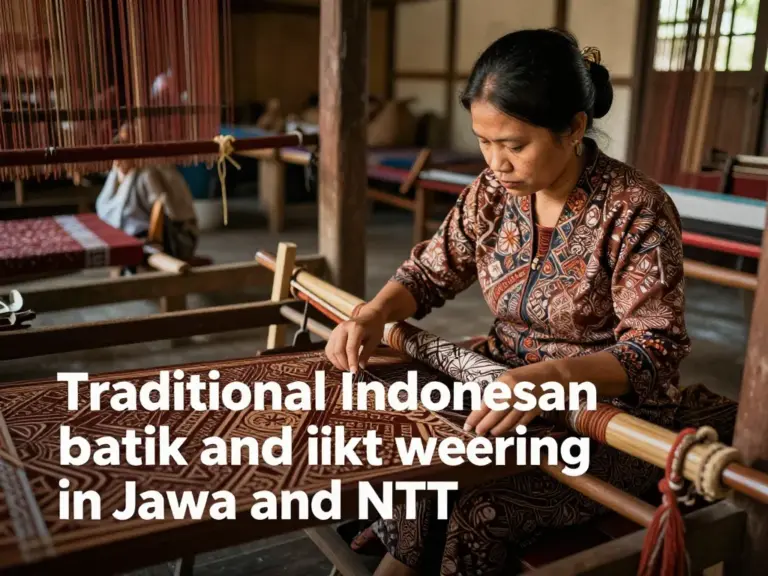
Batik to Ikat: Where to Learn Textile Crafts Across Java and NTT
Indonesia is a tapestry of cultural heritage, nowhere more evident than in its traditional textiles. For travelers seeking more than just sightseeing, engaging with the artisans behind the cloth offers a profound connection to the archipelago’s soul. Whether you are mesmerized by the wax-resist patterns of Javanese Batik or the intricate, hand-woven Ikat of the Lesser Sunda Islands (NTT), there are countless opportunities to learn these ancient techniques firsthand. In this guide, we explore Batik to Ikat: Where to Learn Textile Crafts Across Java and NTT, providing you with the ultimate itinerary for textile enthusiasts.
The Art of Javanese Batik: A Legacy in Wax
Batik is not merely a fabric; it is a philosophy. Recognized by UNESCO as an Intangible Cultural Heritage, Javanese Batik represents a sophisticated process of wax-resist dyeing. Cities like Yogyakarta, Solo, and Pekalongan serve as the epicenters of this craft. Travelers can immerse themselves in the canting (pen) process, where hot wax is meticulously applied to cotton or silk before dyeing.
Journey to NTT: The Soul of Ikat Weaving
Moving eastward to the Nusa Tenggara Timur (NTT) province, the textile narrative shifts from wax to warp. Ikat weaving is a labor-intensive process where threads are tie-dyed before they are placed on the loom. This creates intricate patterns that tell stories of ancestry, spirituality, and nature. Islands like Sumba and Flores are legendary for their Ikat.
| Region | Textile Type | Experience Level |
|---|---|---|
| Yogyakarta (Java) | Batik Tulis | Beginner Friendly |
| Sumba (NTT) | Hand-loomed Ikat | Immersive / Multi-day |
| Pekalongan (Java) | Batik Cap/Tulis | Historical Focus |
Where to Experience the Craft
To truly appreciate the effort behind these textiles, one must visit the source. In Sumba, many local cooperatives welcome visitors to witness the natural dyeing process using indigo and morinda roots. Similarly, in Java, the Batik museums and workshops offer structured classes that allow you to bring home your own creation. It is about honoring the slow fashion movement before the term even existed.
Preserving Tradition for Future Generations
By participating in workshops and purchasing directly from village cooperatives, tourists play a vital role in sustaining these crafts. The shift from mass-produced textiles back to traditional methods ensures that artisans can continue to pass down their skills to the next generation. Your visit is more than a souvenir hunt; it is a contribution to cultural preservation.
คำถามที่พบบ่อย (FAQ)
1. What is the main difference between Batik and Ikat?
Batik uses a wax-resist dyeing technique on already woven fabric, whereas Ikat involves tie-dyeing the threads before they are woven into the fabric.
2. Is it difficult for beginners to learn Batik?
Not at all! Many workshops in Java are specifically designed for tourists and beginners, providing simple patterns and step-by-step guidance.
3. Where is the best place to buy authentic Ikat in NTT?
Sumba is widely considered the best place to find high-quality, authentic hand-loomed Ikat, often sold directly by the weavers in local villages.