Diving and Marine Wildlife: Where to Dive in Cenderawasih Bay, Whale Shark Encounters, Snorkel Sites, and Conservation Guidelines
Cenderawasih Bay, located in the Bird’s Head Seascape of West Papua, Indonesia, is a frontier of marine biodiversity. Known as the ‘Galapagos of the East,’ this massive marine park offers a unique environment where geological history has isolated species, leading to high levels of endemism. For divers and snorkelers, Cenderawasih Bay represents one of the few places on Earth where giant whale sharks interact with humans in a truly unique, non-migratory fashion, alongside pristine coral gardens and WWII shipwrecks.
The Magic of Whale Shark Encounters in Cenderawasih Bay
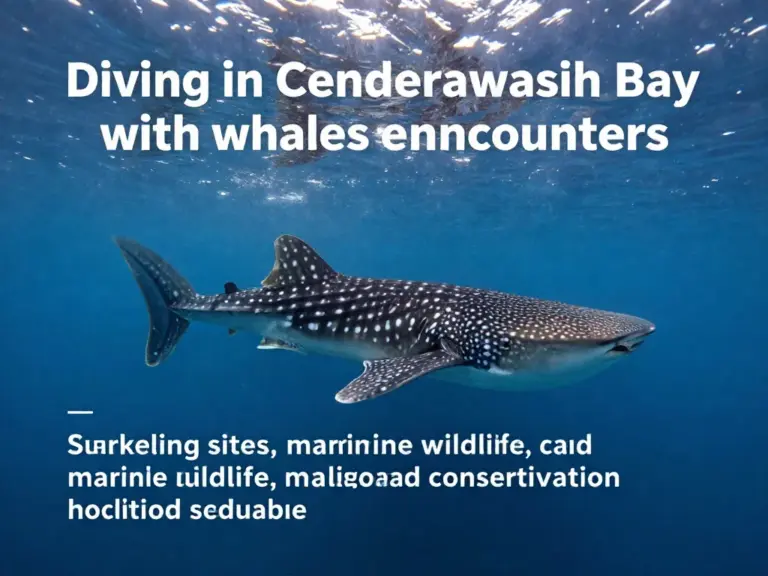
The primary draw of Cenderawasih Bay is the year-round presence of Whale Sharks (Rhincodon typus). Unlike other global hotspots where these giants are seasonal, the whale sharks here have developed a symbiotic relationship with local fishermen. They gather around bagans (floating fishing platforms) to feed on the small baitfish that slip through the nets. This behavior allows divers and snorkelers to spend hours in the water with multiple sharks at once, often just a few meters below the surface.
Top Diving and Snorkel Sites
Beyond the whale sharks, the bay is home to a diverse array of underwater landscapes. From vertical walls to shallow reefs, the variety is staggering.
- Kwatisore Bay: The heart of whale shark activity. The water is generally calm, making it perfect for both diving and snorkeling.
- Manokwari Shipwrecks: History buffs can explore several WWII wrecks, including the Shinwa Maru, which are now encrusted in vibrant soft corals and home to schools of glassfish.
- Roon Island: Known for its incredible macro life and the ‘underwater rocks’ that host massive green sea turtles and reef sharks.
- Tanjung Mangguar: A site famous for its high-energy currents that bring in large pelagics, including barracuda and manta rays.
| Site Name | Experience Level | Main Attraction |
|---|---|---|
| Kwatisore | All Levels | Whale Sharks |
| Shinwa Maru | Advanced | WWII History & Corals |
| Roon Island | Intermediate | Macro & Turtles |
Essential Conservation Guidelines
To ensure the protection of the fragile ecosystem in Cenderawasih Bay, visitors must adhere to strict conservation protocols. The Teluk Cenderawasih National Park authority manages these waters to prevent habitat degradation and animal stress.
- No Touching: Maintain a minimum distance of 3 meters from the head and 4 meters from the tail of whale sharks.
- No Flash Photography: Excessive bright lights can disorient the animals.
- Reef Safety: Do not touch or step on the coral. Use reef-safe sunscreen to prevent chemical damage to the polyps.
- Waste Management: Ensure all plastic and waste are taken back to the mainland; the bay is a protected sanctuary.
คำถามที่พบบ่อย (FAQ)
Q: Can I see whale sharks in Cenderawasih Bay throughout the year?
A: Yes, unlike many other locations, the whale sharks in this bay are non-migratory and can be seen year-round, though weather conditions are best from June to October.
Q: Is it better to dive or snorkel with the whale sharks?
A: Both are excellent. Because the sharks feed near the surface at the fishing platforms, snorkelers get a fantastic view. Divers can stay submerged longer to watch the interaction from below.
Q: How do I get to Cenderawasih Bay?
A: Most travelers fly into Nabire or Manokwari. From there, you can join a liveaboard boat or stay at a local eco-resort that provides boat transfers to the dive sites.
References
Wonderful Indonesia Official Tourism Portal
WWF Bird’s Head Seascape Conservation
- West Papua Wonders: Ultimate 8-Day Itinerary for Biak, Nabire, and Cenderawasih Bay — Wildlife, Diving, and Cultural Highlights
- Planning Your Trip: Best Time to Visit, How to Get to Biak and Nabire, and Essential Permits
- Day-by-Day Itinerary Overview: Detailed 8-Day Route with Top Activities, Travel Times, and Accommodation Tips