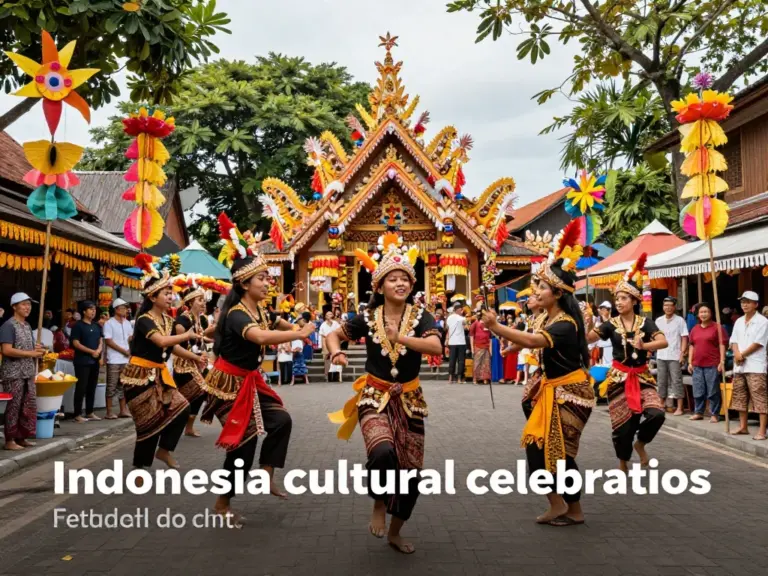
Why Indonesia’s Cultural Celebrations Matter for Travelers and Local Communities
Indonesia is an archipelago defined not just by its stunning volcanic landscapes and pristine beaches, but by its profound spiritual and cultural depth. For any visitor, understanding Indonesia’s cultural celebrations is the key to unlocking the true soul of the nation. These festivals are not merely tourist attractions; they are the living, breathing heartbeats of local communities. When travelers engage with these traditions, they do more than observe—they participate in a legacy that has spanned centuries.
The Significance of Cultural Festivals to Local Communities
For the people of Indonesia, cultural celebrations serve as the primary vessel for identity preservation. In an era of rapid globalization, these events act as a vital anchor, connecting younger generations to their ancestors. Whether it is the elaborate funeral rites of Tana Toraja or the rhythmic, trance-like dances of the Balinese temple festivals, these occasions reinforce community bonds. They are moments when social hierarchies are set aside, and the entire village contributes to a shared purpose, often involving months of preparation, elaborate communal cooking, and intricate craft-making.
Beyond identity, these festivals are economic lifelines. They often stimulate local economies by creating demand for traditional textiles, unique culinary offerings, and artisanal crafts. When travelers visit these regions, their presence validates the value of these traditions, encouraging local youth to take pride in their heritage rather than abandoning it for modernization.
Why Travelers Should Prioritize Cultural Immersion
For the international traveler, witnessing Indonesia’s cultural celebrations offers an unparalleled educational experience. It transforms a standard vacation into a transformative journey. Instead of simply viewing a destination through a lens, you become part of a living narrative. You learn about the spiritual philosophy of Tri Hita Karana in Bali—the harmony between humans, God, and nature—or the profound respect for ancestry that defines the Dayak people of Kalimantan.
Building Bridges Through Respectful Tourism
Cultural tourism, when done responsibly, fosters mutual respect. It allows travelers to see beyond the surface-level stereotypes of a destination. When you attend a festival, you are witnessing a community at its most vulnerable and authentic state. This creates a powerful human connection that transcends language barriers. By investing time in these events, travelers contribute to a more sustainable form of tourism—one that prioritizes cultural exchange over mere consumption.
| Festival Name | Region | Significance |
|---|---|---|
| Nyepi | Bali | Day of Silence & Self-Reflection |
| Galungan | Bali | Victory of Dharma over Adharma |
| Rambu Solo | Tana Toraja | Elaborate Funeral Ceremony |
How to Engage Responsibly
To truly appreciate Indonesia’s cultural celebrations, one must adopt the role of a guest, not just a spectator. Research the etiquette before you arrive. For instance, in many Balinese ceremonies, wearing a sarong and sash is mandatory. In other regions, silence is expected during prayers. When you respect these boundaries, you earn the trust of the community, which often leads to deeper insights and warmer welcomes.
Furthermore, consider hiring local guides. They are the gatekeepers of cultural knowledge and can navigate the nuances of local customs that are often invisible to the untrained eye. Supporting local guides also ensures that the economic benefits of your visit remain within the community.
คำถามที่พบบ่อย (FAQ)
1. Is it appropriate for tourists to attend religious festivals in Indonesia?
Yes, generally speaking, tourists are welcome to observe religious festivals. However, it is essential to dress modestly, follow the instructions of local guides, and maintain a respectful distance during prayer or sacred rituals.
2. What is the best way to find out about local festivals?
Check the official Wonderful Indonesia tourism website, or ask your hotel concierge and local guides, who often have the most up-to-date schedules for regional events.
3. Should I bring gifts to a cultural ceremony?
It is generally not expected to bring gifts to public festivals. However, if you are invited into a local home or a smaller, private community event, a small token like fruit or local sweets is a thoughtful gesture.