The Enigmatic Megaliths of Sumba: A Complete Guide to Indonesia’s Mysterious Ancient Site
Stepping onto the island of Sumba feels like traveling back in time. While many tourists flock to Bali for its beaches and nightlife, those seeking a deeper connection to history and culture find their sanctuary here. Among the island’s most captivating features are The Enigmatic Megaliths of Sumba, ancient stone monuments that stand as silent sentinels of a bygone era. These structures are not merely archaeological curiosities; they are the living heartbeat of the Marapu religion, deeply intertwined with the daily lives and ancestral reverence of the Sumbanese people.
The Cultural Significance of Megalithic Traditions
To understand Sumba, one must understand the Marapu belief system. Unlike many other parts of Indonesia where modern life has largely supplanted traditional practices, Sumba has preserved its indigenous faith with remarkable tenacity. The megaliths are the physical manifestation of this faith. These stone tombs, often intricately carved and massive in scale, are built to honor ancestors who act as intermediaries between the living and the divine. The construction of these monuments is a communal effort, often involving elaborate rituals, animal sacrifices, and days of celebration that reinforce social bonds within the village.
Where to Find the Megaliths
Sumba is divided into East and West, and both regions offer unique glimpses into this ancient past. Some of the most accessible and impressive sites include the villages of Prai Ijing and Tarung. Walking through these villages, you will see traditional Uma Mbatangu (high-roofed houses) standing alongside these colossal stone slabs. The contrast between the fragile bamboo structures and the immovable, heavy megaliths creates a striking visual narrative of the Sumbanese philosophy: the home is temporary, but the ancestral connection is eternal.
Understanding the Architecture and Symbolism
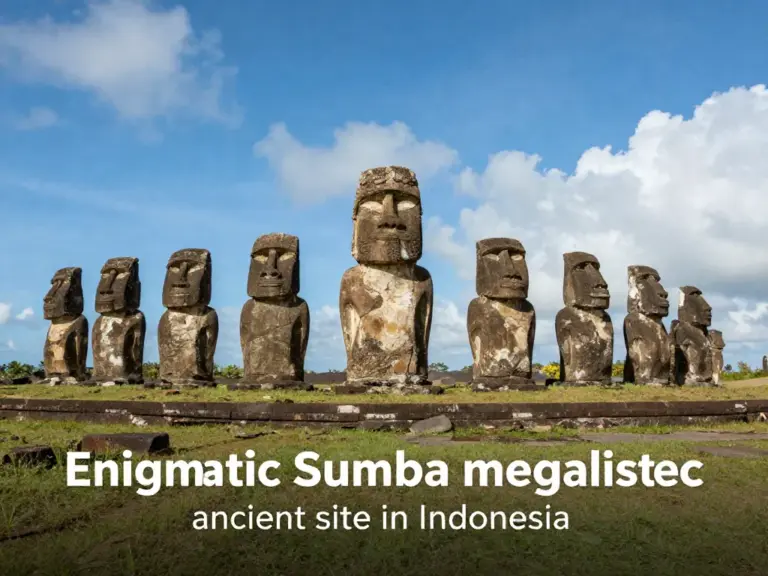
The stones used for these megaliths are often dragged from great distances, requiring massive coordination and manpower. There are two primary types of megaliths you will encounter: dolmens (table-like structures supported by stone legs) and menhirs (upright standing stones). Each shape carries specific meanings related to the status of the deceased or the specific ritual purpose. Many of these stones feature carvings of animals, humans, and geometric patterns that tell stories of the family lineage, past victories, or spiritual warnings.
| Megalith Type | Primary Function |
|---|---|
| Dolmen | Used as a sarcophagus or tomb for noble ancestors. |
| Menhir | Commemorative stones for significant events or individuals. |
| Stone Platform | Ceremonial gathering spaces for village meetings. |
Tips for Responsible Tourism in Sumba
Visiting The Enigmatic Megaliths of Sumba is a privilege. To ensure these sites remain preserved for future generations, please adhere to the following guidelines: Always hire a local guide who can interpret the cultural nuances and ensure you are respecting sacred areas. Never climb or sit on the megaliths, as they are considered active gravesites. Furthermore, always ask for permission before taking photographs of the villagers or the sacred monuments. By traveling ethically, you help support the local economy while respecting the sanctity of the Marapu traditions.
คำถามที่พบบ่อย (FAQ)
Q: Are the megaliths in Sumba still in use today?
A: Yes, many megaliths in Sumba are still actively used in funeral rites and ancestral worship ceremonies by the local Marapu community.
Q: Do I need a permit to visit these sites?
A: While you don’t need a formal government permit, you are often required to pay a small entrance fee to the village and are strongly encouraged to hire a local guide to navigate the cultural protocols.
Q: What is the best time of year to visit Sumba?
A: The best time to visit is during the dry season, from April to October, which allows for easier travel between the remote villages where the megaliths are located.