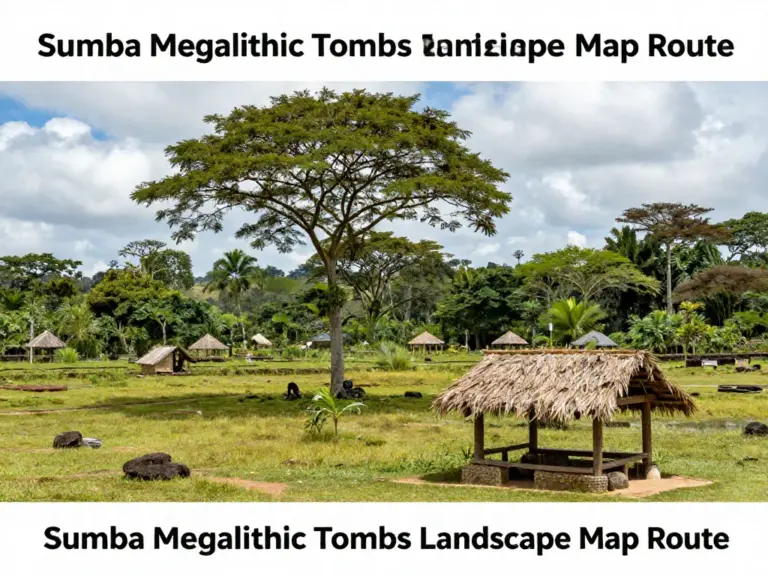
Where Are the Sumba Megaliths Located and How Do You Get There?
Sumba, an island in East Nusa Tenggara, Indonesia, remains one of the most enigmatic destinations in the archipelago. Beyond its pristine beaches and unique horse-riding culture, the island is famous for its ancestral stone tombs. Travelers often ask, Where Are the Sumba Megaliths Located and How Do You Get There? These incredible structures are not just historical artifacts; they are central to the living Marapu culture, serving as resting places for the island’s ancestors.
The Location of Sumba’s Ancient Megaliths
Unlike a single museum or a centralized park, the megaliths of Sumba are scattered throughout the island, often found within traditional villages (Kampung Adat). The most accessible and famous sites are generally concentrated in West Sumba and Southwest Sumba regencies. Notable villages to visit include Ratenggaro, Prai Ijing, and Tarung.
Ratenggaro village is particularly striking, situated right on the coastline with towering traditional houses and massive stone tombs that face the Indian Ocean. These sites are active, meaning local families still perform rituals and burials, making them a living testament to Sumba’s enduring spiritual heritage.
How to Get to the Sumba Megaliths
Reaching these remote cultural sites requires some planning. The journey typically begins with a flight to one of Sumba’s two major airports: Tambolaka Airport (TMC) in the southwest or Umbu Mehang Kunda Airport (WGP) in Waingapu (East Sumba).
Once you arrive on the island, the most practical way to explore the megalithic sites is by renting a car with a local driver. Public transport is limited and can be challenging for international travelers. Having a local guide is highly recommended, not only for navigating the roads but for providing cultural context and ensuring respectful engagement with the village elders.
| Location | Best Airport | Travel Time to Sites |
|---|---|---|
| Ratenggaro | Tambolaka (TMC) | Approx. 1.5 – 2 Hours |
| Prai Ijing | Tambolaka (TMC) | Approx. 45 Minutes |
| Tarung | Tambolaka (TMC) | Approx. 1 Hour |
Cultural Etiquette and Respect
When visiting these sacred sites, it is important to remember that you are a guest in a living community. Always ask for permission before taking photographs of the tombs or the villagers. It is customary to offer a small donation or a gift, such as betel nut or tobacco, to the village head or the family guarding the site. This gesture of respect for Sumba culture is deeply appreciated and often opens doors to deeper storytelling about the history of the ancestors buried there.
คำถามที่พบบ่อย (FAQ)
Is there an entrance fee to visit the Sumba megaliths?
Yes, most traditional villages charge a small entrance fee or request a donation. This money is used to maintain the village grounds and preserve the cultural heritage.
Can I visit the megaliths without a guide?
While you can technically visit on your own, hiring a local guide is strongly recommended. They provide invaluable historical context and facilitate proper interaction with local customs.
What is the best time of year to visit Sumba?
The dry season, from April to October, is the best time to visit. The roads are more accessible, and the weather is perfect for exploring the island.