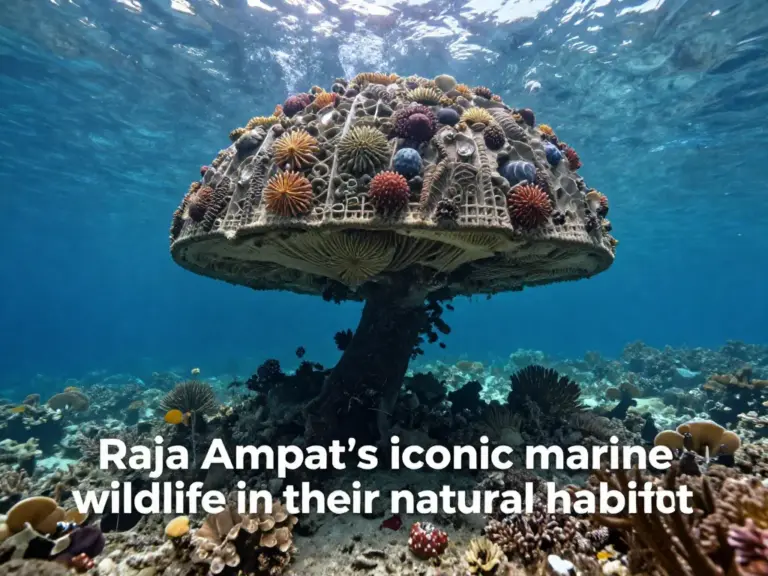
Where and When to Spot Raja Ampat’s Most Iconic Marine Wildlife
Raja Ampat, the crown jewel of the Coral Triangle, is a bucket-list destination for divers and marine enthusiasts worldwide. Known for its unparalleled biodiversity, this archipelago in West Papua offers breathtaking underwater encounters. However, timing and location are everything. If you are planning an expedition, knowing Where and When to Spot Raja Ampat’s Most Iconic Marine Wildlife is the difference between a good trip and a life-changing experience. From the majestic oceanic manta rays to the elusive wobbegong shark, Raja Ampat is a living, breathing aquarium that rewards the prepared traveler.
The Best Time to Visit Raja Ampat
While Raja Ampat is a year-round destination, the weather plays a massive role in marine visibility and sea conditions. The dry season, typically running from October to April, is widely considered the peak season. During these months, the seas are calmer, making it easier to navigate between the remote islands and providing the clearest visibility for underwater photography. This is also the prime window for manta ray activity, as the plankton blooms are often more consistent, drawing these gentle giants to their favorite cleaning stations.
Where and When to Spot Raja Ampat’s Most Iconic Marine Wildlife
1. Manta Rays (Cleaning Stations)
The stars of the show are undoubtedly the oceanic manta rays. These majestic creatures frequent specific ‘cleaning stations’ where smaller fish remove parasites from their skin. Locations like Manta Sandy near Arborek Island are legendary. The best time to spot them is during the incoming tide when they congregate in large numbers. While they can be seen year-round, the peak months are December through March.
2. Wobbegong Sharks
The tasseled wobbegong is a bottom-dwelling carpet shark that looks more like a patch of coral than a predator. They are masters of camouflage, usually found resting under ledges or nestled in coral crevices. You don’t need a specific season to find them; they are resident year-round. Your best bet is to dive at sites like Cape Kri or Blue Magic, where the currents are strong and the reef structure provides perfect hiding spots for these ambush predators.
3. Pygmy Seahorses
For macro photography enthusiasts, finding the tiny Bargibant’s or Denise’s pygmy seahorse is the ultimate challenge. These creatures are incredibly small and live exclusively on gorgonian sea fans. They are resident throughout the archipelago. To spot them, you will need a sharp-eyed local dive guide who knows which specific sea fans to inspect. They are not seasonal, so any trip during the dry season will give you a high probability of finding them.
| Marine Life | Best Location | Best Time |
|---|---|---|
| Manta Rays | Manta Sandy, Misool | Dec – March |
| Wobbegong Shark | Cape Kri, Blue Magic | Year-round |
| Pygmy Seahorses | Various Walls/Reefs | Year-round |
Geographical Considerations
Raja Ampat is split into distinct zones. The North is famous for its vibrant soft corals and schooling fish, while the South, specifically Misool, is characterized by dramatic limestone karst formations and stunning protected reef systems. If your primary goal is to see sharks and larger pelagics, the currents of the North are generally more productive. If you prefer tranquil, protected lagoons and incredible macro life, Misool offers a more relaxed pace.
Conservation and Responsible Tourism
As you explore, remember that you are a guest in a fragile ecosystem. Always follow the guidelines of your official tourism board and local dive operators. Never touch the coral, maintain neutral buoyancy, and keep a respectful distance from all marine life. By practicing responsible tourism, you ensure that these iconic creatures remain for future generations to admire.
คำถามที่พบบ่อย (FAQ)
1. Is it possible to see whale sharks in Raja Ampat?
While whale sharks are occasionally spotted, they are not as reliably predictable in Raja Ampat as they are in Cenderawasih Bay. If seeing whale sharks is your main priority, consider adding a Cenderawasih extension to your trip.
2. Do I need to be an advanced diver to see wildlife here?
Many of the best sites in Raja Ampat have strong currents. While there are shallow sites suitable for beginners, having an Advanced Open Water certification will greatly increase the number of sites you can safely visit.
3. What is the water temperature like?
The water in Raja Ampat is consistently warm, usually ranging between 27°C and 30°C (80°F – 86°F) year-round. A 3mm wetsuit is typically sufficient for most divers.