What to Pack and Prepare — Clothing, Safety Gear, Guides, Altitude & Sulfur Gas Precautions for Bromo and Ijen
Embarking on a journey to East Java to witness the celestial landscapes of Mount Bromo and the ethereal blue flames of Ijen Crater is a bucket-list experience for many. However, these volcanic terrains are as demanding as they are beautiful. Proper preparation is the difference between a miserable trek and a life-changing adventure. This guide covers everything you need to know about What to Pack and Prepare — Clothing, Safety Gear, Guides, Altitude & Sulfur Gas Precautions for Bromo and Ijen to ensure your trip is safe, comfortable, and unforgettable.
Essential Clothing for Volcanic Climates
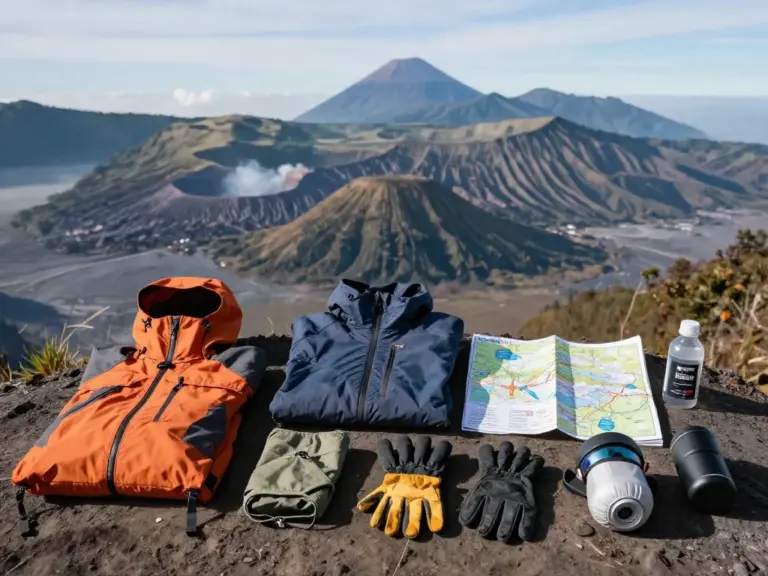
One of the most common mistakes travelers make is underestimating the cold. While Indonesia is a tropical country, temperatures at the rims of Bromo and Ijen can drop to between 0°C and 10°C (32°F – 50°F) before sunrise. Layering is your best friend. Start with a moisture-wicking base layer, add a fleece or down jacket for insulation, and finish with a windproof outer shell.
- Thermal Wear: Essential for the pre-dawn hike.
- Gloves and Beanies: Vital for protecting extremities from the biting wind.
- Sturdy Hiking Boots: The terrain at Ijen is steep and can be slippery; traction is non-negotiable.
Safety Gear and Sulfur Gas Precautions
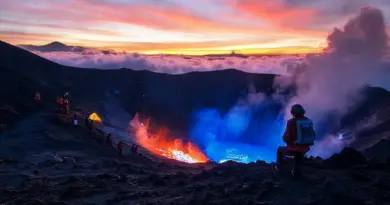
Safety should be your top priority, especially when visiting the Ijen Crater. The crater is famous for its active sulfur mining and the concentrated sulfur dioxide gas. For What to Pack and Prepare — Clothing, Safety Gear, Guides, Altitude & Sulfur Gas Precautions for Bromo and Ijen, a standard surgical mask is insufficient. You must use a respirator mask with chemical filters to protect your lungs from toxic fumes.
Additionally, a powerful headlamp is required for the midnight trek up Ijen and the early morning walk at Bromo. Handheld flashlights are less ideal as you will need your hands free for balance on rocky paths.
Mount Bromo sits at 2,329 meters, while the Ijen rim reaches 2,799 meters. While not high enough to cause severe altitude sickness for most, the thin air can make the steep climb at Ijen feel much more strenuous. It is important to pace yourself and stay hydrated. If you feel dizzy or short of breath, stop and rest immediately.
The Role of Professional Guides
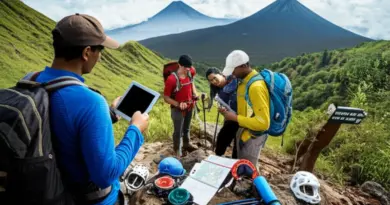
While it is possible to visit Bromo independently, hiring a local guide is highly recommended for Ijen. Local guides are often former sulfur miners who know the terrain intimately and can monitor gas levels in real-time. They ensure you stay on safe paths and provide invaluable cultural context to the grueling work of the miners.
| Item | Requirement | Reason |
|---|---|---|
| Respirator Mask | Mandatory (Ijen) | Protection against sulfur gas |
| Headlamp | Mandatory | Night trekking safety |
| Warm Jacket | Essential | Sub-10°C temperatures |
| Water Bottle | Essential | Hydration at altitude |
คำถามที่พบบ่อย (FAQ)
1. Do I really need a gas mask for Ijen?
Yes, the sulfur fumes at the crater floor can be extremely thick and harmful. Most tour operators provide them, but bringing your own ensures a better fit.
2. Can I wear sneakers for the Bromo hike?
For the stairs at Bromo, sneakers are fine. However, for the hike to the viewpoints or the Ijen trek, hiking shoes with good grip are necessary.
3. Is there an age limit for these treks?
There is no strict age limit, but participants should be in good physical health. The Ijen climb is quite steep and takes about 1.5 to 2 hours of uphill walking.
4. What is the best time to visit?
The dry season (April to October) is the best time. During the rainy season, paths can be slippery and visibility poor.
References
Indonesia Travel Official – Bromo Guide
Volcanological Survey of Indonesia