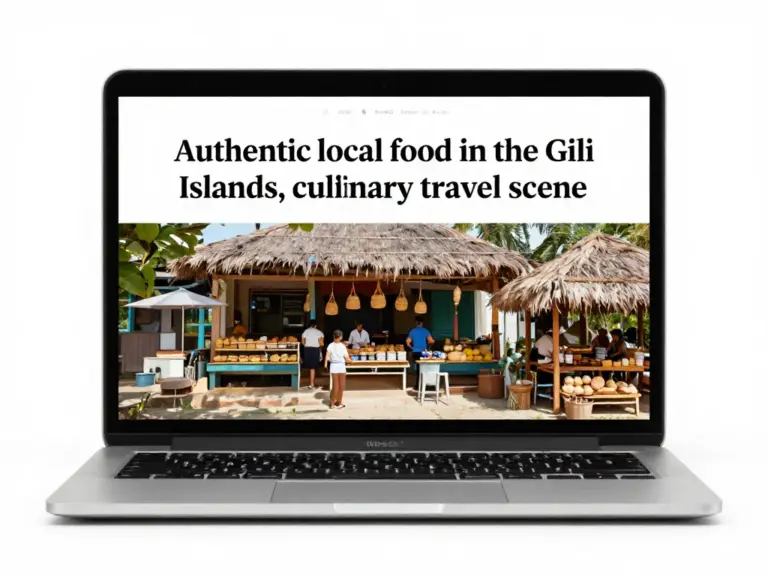
Where to Eat Authentic Local Food in the Gili Islands
- Where to Eat Authentic Local Food in the Gili Islands
When travelers dream of the Gili Islands—Gili Trawangan, Gili Meno, and Gili Air—they often envision turquoise waters and vibrant nightlife. However, for the culinary explorer, the true treasure lies in the search for authentic local food in the Gili Islands. While the islands are famous for international cafes and pizza joints, the heart of the Gili dining experience is rooted in traditional Indonesian cuisine. Finding these gems requires knowing where to look beyond the tourist-heavy beachfront strips.
Authentic Indonesian food here is defined by fresh seafood, spicy sambal, tempeh, tofu, and the iconic Nasi Campur. To eat like a local, you must venture away from the main harbor areas and explore the village centers or the evening markets. In this guide, we break down exactly where to find the most genuine, delicious, and budget-friendly local meals across the three islands.
authentic local food in the Gili Islands: The Gili Trawangan Night Market: A Culinary Institution
If you are looking for the quintessential experience of eating authentic local food in the Gili Islands, the Gili Trawangan Night Market is non-negotiable. Located near the main harbor, this market comes alive as the sun sets. It is a sensory explosion of sizzling grills, aromatic spices, and bustling crowds.
What to Order at the Night Market
The market is famous for its seafood displays. You choose your fresh fish, prawns, or squid, which are then grilled over charcoal right in front of you. Pair this with a selection of pre-cooked dishes from the glass display cases—this is the true Nasi Campur experience. Look for perkedel jagung (corn fritters), sayur urap (steamed vegetables with coconut), and various tofu and tempeh preparations. The key to authenticity here is to mix and match; don’t just stick to the grilled items.
Finding Authentic Warungs on Gili Air
Gili Air has a more laid-back, community-oriented vibe, which makes it the best island for discovering small, family-run warungs (small, often family-owned restaurants). Unlike the resort-style dining on the beachfront, these spots are often tucked away in the island’s interior or along the quieter village roads.
Comparison of Dining Styles in the Gili Islands
| Dining Type | Best For | Price Range | Authenticity Level |
|---|---|---|---|
| Beachfront Cafes | Views & Western Food | High | Low |
| Night Markets | Street Food Experience | Low | High |
| Inland Warungs | Daily Local Meals | Low/Medium | Very High |
| Seafood Grills | Fresh Catch | Medium/High | Medium |
Must-Try Local Dishes
To truly appreciate the authentic local food in the Gili Islands, you need to know what to order. While international dishes are everywhere, these staples define the Indonesian palate:
- Nasi Campur: A scoop of rice surrounded by small portions of meat, fish, vegetables, peanuts, eggs, and fried-shrimp krupuk. It is the ultimate sampler.
- Gado-Gado: A warm salad of blanched vegetables, hard-boiled eggs, tofu, and tempeh, generously drizzled with a rich, savory peanut sauce.
- Sate Ikan Tanjung: A local specialty from Lombok (the mainland nearby), these are fish satay skewers seasoned with coconut milk and spices. You will often find these being sold by street vendors.
- Mie Goreng: Fried noodles with vegetables, often served with a fried egg and a side of spicy sambal.
Tips for Eating Like a Local
Navigating the food scene requires a bit of local know-how. Here is a quick checklist to ensure you get the best experience:
- Embrace the Heat: Don’t be afraid to ask for extra sambal, but be warned—it can be very spicy. Start small.
- Cash is King: Small local warungs rarely accept credit cards. Always carry small denominations of Indonesian Rupiah.
- Timing Matters: Many local warungs prepare a large batch of food in the morning. If you go too late in the afternoon, the selection might be limited.
- Hydration: Stick to bottled water or fresh coconut water, which is abundant and refreshing on all three islands.
- Hygiene Awareness: While local food is delicious, choose warungs that show signs of high turnover, ensuring the food is cooked fresh and hasn’t been sitting out for too long.
The Gili Meno Experience
Gili Meno is the quietest of the three islands. Because it is less developed, the options for local food are more limited, but the quality is often higher because the restaurants serve a smaller, more intimate community. When on Meno, walk toward the center of the island rather than staying on the beach path. You will find small, family-operated spots serving excellent Soto Ayam (chicken soup) and fresh grilled fish caught by local fishermen that very morning.
Conclusion
Finding authentic local food in the Gili Islands is one of the most rewarding parts of visiting this archipelago. By stepping away from the tourist-centric beachfronts and seeking out the night markets and village warungs, you not only save money but also connect with the island’s culture on a deeper level. From the vibrant Night Market on Gili Trawangan to the serene, quiet warungs of Gili Meno and Gili Air, there is a world of flavor waiting for those willing to explore.
Frequently Asked Questions (FAQ)
A: Yes, generally. The night markets are highly popular and have a high turnover of food, which is a good indicator of freshness. Look for stalls that are busy with locals.
A: The markets typically start setting up around 6:00 PM and are in full swing by 7:30 PM. Arriving early ensures you get the widest variety of dishes before they sell out.
A: Absolutely. Indonesian cuisine is very vegetarian-friendly. Dishes like Gado-Gado, Tempeh Goreng (fried tempeh), and various vegetable curries are staples. Just ask to ensure they aren’t cooked with shrimp paste if you are strictly vegetarian.
A: No, reservations are rarely required or even used for small, authentic local warungs. It is a casual, walk-in dining culture.