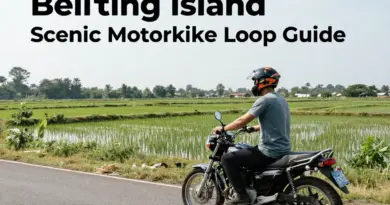
Motorbike Loop in Raja Ampat: A Complete Guide to Scenic Routes and Island Stops
Exploring the archipelago of Raja Ampat on two wheels is an adventure like no other. While most travelers associate this destination with liveaboard diving boats, a motorbike loop in Raja Ampat offers a unique, land-based perspective on the region’s stunning karst landscapes and hidden coastal villages. Navigating the islands by scooter allows for spontaneous detours, local interactions, and access to viewpoints that tour operators often skip. This guide provides the essential framework for planning your scenic ride through one of Indonesia’s most breathtaking regions.
motorbike loop in Raja Ampat: The Reality of Motorbiking in Raja Ampat
Before you start your engines, it is crucial to understand the geography. Raja Ampat is primarily a marine destination. Unlike Bali or Lombok, there is no single continuous road connecting all the islands. Instead, a “motorbike loop” typically refers to exploring the larger, accessible islands—specifically Waigeo—where road infrastructure has been developed to connect remote villages and viewpoints. You will need to be comfortable with uneven terrain, unpaved sections, and tropical weather changes.
Essential Gear and Preparation
Preparation is the difference between a memorable trip and a logistical nightmare. Because you are in a remote region, support services are limited. Always carry a basic tool kit, a patch kit for tires, and enough water to last your journey.
- Helmet and Protective Wear: Do not compromise on safety. Bring a high-quality helmet and closed-toe shoes.
- Fuel Management: Fuel stations are sparse. Always fill up in Waisai before heading out. Carry a spare bottle of fuel if planning long-distance exploration.
- Navigation: Download offline maps. GPS signals can be spotty in dense jungle areas.
- Permits: Ensure you have your Raja Ampat entry permit (Pin Raja Ampat) on your phone or printed, as checkpoints may exist near protected areas.
Scenic Routes on Waigeo Island
Waigeo is the main hub and the best island for a motorbike loop. The roads here are a mix of paved asphalt, concrete, and occasional gravel. The primary loop typically takes you from the capital, Waisai, into the interior rainforests and along the coastal ridges.
The Waisai to Kabui Bay Route
This is the most popular route for those seeking scenic vistas. The road winds through lush, primary forest, opening up occasionally to reveal dramatic views of the limestone karsts dotting the turquoise waters of Kabui Bay. The ride is relatively short but packed with photo opportunities. Be mindful of steep inclines and sharp corners, especially if it has recently rained.
| Route Segment | Terrain Difficulty | Estimated Time | Best For |
|---|---|---|---|
| Waisai to Kabui Bay | Moderate | 1.5 – 2 Hours | Scenic Lookouts |
| Coastal Village Loop | Easy/Moderate | 3 – 4 Hours | Cultural Immersion |
| Inland Jungle Path | Challenging | 2 Hours | Adventure Seekers |
Island Stops and Must-See Locations
Your motorbike loop should not just be about the riding; it is about the stops. Plan your itinerary to include these key highlights:
- Kabui Bay Viewpoint: A must-stop spot that offers a panoramic view of the iconic mushroom-shaped islands.
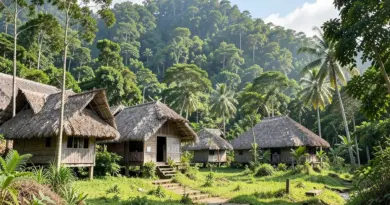
- Local Villages: Stop in small coastal hamlets to enjoy fresh coconut water and support local businesses.
- Hidden Beaches: Many small, unnamed beaches are accessible via dirt tracks branching off the main road. Always ask locals if it is okay to access these private or communal areas.
Safety and Responsible Tourism
As a visitor, you are a guest in a fragile ecosystem. Responsible tourism is mandatory. Stay on marked roads to avoid disturbing wildlife habitats. Respect local customs, especially when passing through villages—always slow down, wave, and keep noise to a minimum. If you have an accident or mechanical failure, locals are generally very helpful, but you must be prepared to handle minor repairs yourself.
Frequently Asked Questions (FAQ)
Yes, you can rent motorbikes, primarily in Waisai. It is recommended to arrange this through your homestay host rather than searching for random rentals, as they can ensure the bike is well-maintained.
Technically, yes. While enforcement is lax in remote areas, having an international driving permit is a legal requirement for riding in Indonesia and is essential for insurance coverage.
The main roads are paved, but as you venture further toward remote viewpoints, you will encounter gravel, sand, and potentially mud. Be prepared for variable road conditions.