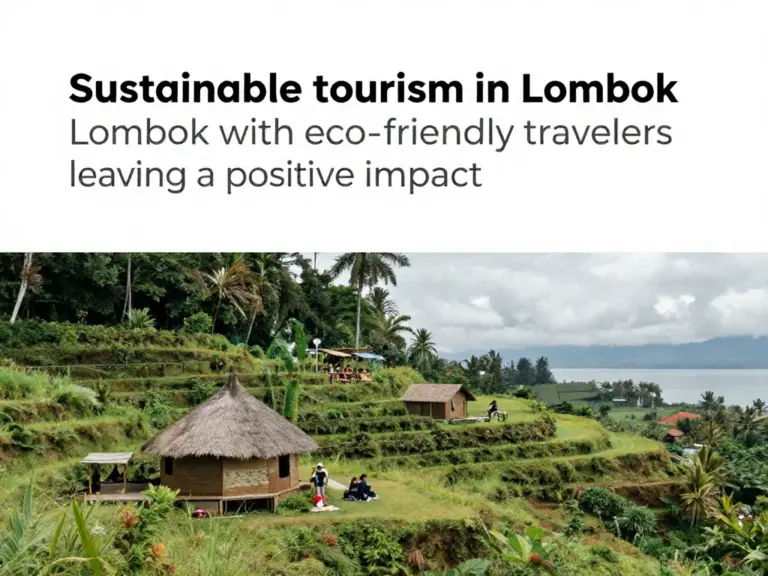
Sustainable Tourism in Lombok: How to Leave a Positive Impact
- Sustainable Tourism in Lombok: How to Leave a Positive Impact
Lombok, often overshadowed by its famous neighbor Bali, offers a raw, authentic Indonesian experience. However, as visitor numbers increase, the importance of sustainable tourism in Lombok becomes paramount. Traveling responsibly isn’t just about reducing waste; it is about ensuring that your presence supports the local ecosystem and economy rather than depleting it. By making conscious choices, you can ensure that this pristine island remains vibrant for generations to come.
Understanding Sustainable Tourism in Lombok
Sustainable tourism is a holistic approach to travel that considers environmental, social, and economic impacts. In the context of Lombok, this means respecting the Sasak culture, minimizing plastic usage on beaches, and prioritizing local businesses. As visitors, we are guests in a fragile environment where infrastructure is still developing, making our individual actions highly impactful.
How to Minimize Your Environmental Footprint
Lombok’s natural beauty—from the peaks of Mount Rinjani to the coral reefs of the Gili Islands—requires active protection. Here are practical ways to reduce your footprint:
- Reduce Single-Use Plastics: Lombok faces challenges with waste management. Always carry a reusable water bottle and a shopping bag. Avoid plastic straws and packaging wherever possible.
- Respect Marine Life: When snorkeling or diving, never touch or stand on coral reefs. Use reef-safe sunscreen, as chemicals like oxybenzone can damage delicate marine ecosystems.
- Manage Your Waste: If you are exploring remote areas or hiking, always pack out what you pack in. Do not leave trash on trails or beaches.
- Conserve Water and Energy: In many parts of Lombok, resources are limited. Be mindful of your air conditioning usage and water consumption during your stay.
Supporting the Local Economy and Culture
A major pillar of sustainable travel is ensuring your money stays within the community. By choosing local operators, you contribute directly to the livelihoods of the people who call Lombok home.
| Choice Type | Non-Sustainable Option | Sustainable Alternative |
|---|---|---|
| Accommodation | Large international chain resorts | Locally-owned homestays or eco-lodges |
| Transportation | Private car rentals | Local taxis, public transport, or renting a bicycle/scooter |
| Dining | International fast-food chains | Local ‘Warungs’ (small, family-run eateries) |
| Tours | Aggressive, high-volume tour groups | Community-based tourism or private local guides |
Checklist for a Positive Impact
Before you head out on your adventure, review this checklist to ensure you are traveling with a positive mindset:
- Pack a reusable water bottle with a filter.
- Learn a few words of Bahasa Indonesia to show respect.
- Dress modestly when visiting local villages or religious sites.
- Ask for permission before taking photos of local people.
- Hire local guides for trekking Mount Rinjani.
Cultural Sensitivity and Etiquette
Lombok is predominantly Muslim, and the Sasak culture is deeply rooted in tradition. Being culturally sensitive is a key part of sustainable tourism in Lombok. When visiting traditional villages like Sade or Ende, dress conservatively, covering your shoulders and knees. Engaging with local artisans by buying handmade textiles (Ikat) directly from them provides fair wages and helps preserve traditional weaving techniques that might otherwise disappear.
Choosing Eco-Conscious Activities
Not all activities are created equal. Avoid attractions that exploit animals for tourism, such as elephant rides or shows. Instead, opt for experiences that highlight Lombok’s natural heritage responsibly. Hiking with a certified local guide ensures that your money supports the local trekking community and that you are following trails that minimize environmental erosion.
Conclusion
Practicing sustainable tourism in Lombok is a rewarding way to see the island. It shifts your perspective from being a consumer of experiences to being a participant in the island’s preservation. By being mindful of your waste, supporting local businesses, and respecting cultural norms, you ensure that Lombok remains a beautiful destination for everyone to enjoy.
Frequently Asked Questions (FAQ)
Is it difficult to find sustainable options in Lombok?
It is becoming easier. While it requires a bit more research than booking a large hotel, there are many homestays, eco-conscious villas, and community-run tour groups available, especially around Kuta Lombok and the Gili Islands.
What should I do with my plastic waste?
Avoid generating it in the first place. If you do have waste, try to dispose of it in designated bins in larger towns. Do not burn plastic, as this is harmful to the air quality and environment.
How can I ensure my tour guide is sustainable?
Ask questions before booking. Ask if they employ local staff, how they handle waste during the trip, and if they have environmental certifications or community partnerships. A reputable guide will be happy to share this information.