Sustainable Tourism in Makassar: How to Leave a Positive Impact
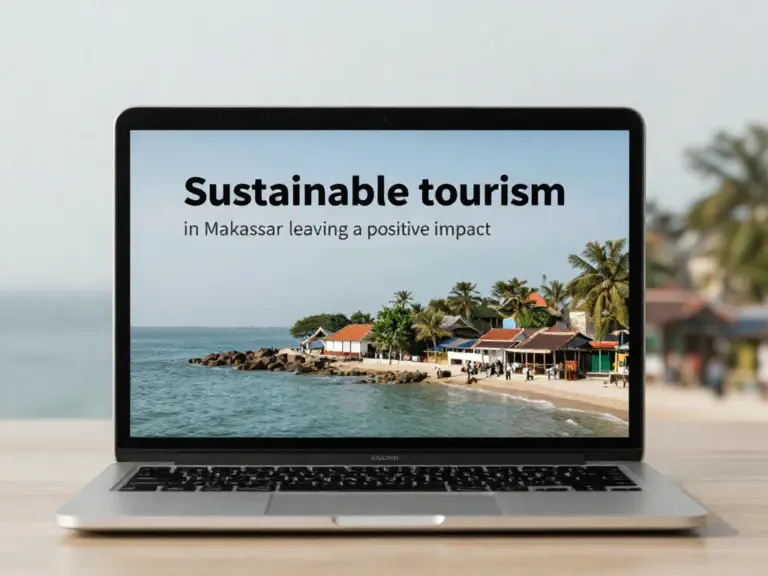
Makassar, the bustling gateway to Eastern Indonesia, is a city rich in history, culinary delights, and coastal charm. As more travelers discover the unique blend of Bugis-Makassar culture and stunning maritime landscapes, the importance of sustainable tourism in Makassar becomes paramount. Traveling responsibly isn’t just about reducing your carbon footprint; it’s about ensuring that your visit contributes positively to the local economy, respects cultural heritage, and preserves the natural beauty of South Sulawesi for generations to come.
Understanding Sustainable Tourism in Makassar
Sustainable tourism is a holistic approach that balances the needs of tourists, the environment, and the local community. In a rapidly developing city like Makassar, this means being mindful of how your presence affects the urban environment and the delicate coastal ecosystems. It involves making conscious choices—from where you stay to what you eat—that prioritize local empowerment and environmental stewardship.
By adopting these practices, you transform from a passive observer into an active participant in the city’s growth. Whether you are exploring the historic Fort Rotterdam or enjoying the sunset at Losari Beach, your actions have a cumulative effect. Embracing sustainable tourism in Makassar helps protect the city’s authentic character against the pressures of mass tourism.
Practical Ways to Support the Local Economy
One of the most direct ways to leave a positive impact is by ensuring your money stays within the community. Makassar has a vibrant local economy driven by small businesses, artisans, and family-owned restaurants.
- Dine Locally: Skip the international fast-food chains and head to local warungs or restaurants serving authentic Coto Makassar or Konro. This supports local farmers and cooks.
- Buy Local Souvenirs: Look for traditional Makassar silk (Lipak Sabbe) or locally crafted wood carvings. Buying directly from artisans ensures they receive fair compensation for their craftsmanship.
- Hire Local Guides: When exploring nearby islands like Samalona or Kodingareng Keke, hire local boat operators rather than booking through large, non-local agencies.
Preserving Environmental Integrity
Makassar’s proximity to the sea makes environmental conservation a top priority. Plastic pollution is a global challenge, and coastal cities are often on the front lines. Responsible travelers can make a significant difference by following a few simple rules.
| Action | Impact |
|---|---|
| Using Reusable Water Bottles | Reduces single-use plastic waste in landfills and oceans. |
| Participating in Beach Cleanups | Directly removes debris from coastal areas. |
| Respecting Marine Life | Ensures the survival of coral reefs and local aquatic biodiversity. |
When visiting the beautiful islands surrounding Makassar, remember to take your trash back to the city with you. Infrastructure on smaller islands is often limited, and waste management is a significant logistical challenge for local island communities.
Cultural Respect and Social Responsibility
Makassar is a melting pot of cultures, deeply influenced by Islamic traditions and indigenous Bugis-Makassar customs. Respecting these norms is essential for meaningful cross-cultural interaction.
Additionally, always ask for permission before taking photographs of locals, especially during religious or cultural ceremonies. Engaging in conversation and showing genuine interest in local history creates a bridge of mutual respect, which is the heart of sustainable tourism.
Checklist for the Responsible Traveler in Makassar
Use this checklist to ensure your visit aligns with sustainable travel principles:
- Pack a reusable water bottle, shopping bag, and bamboo straw.
- Research and choose accommodations with eco-friendly certifications or local ownership.
- Use public transport or ride-sharing apps to reduce your carbon footprint compared to private taxi rentals.
- Learn a few phrases in Bahasa Indonesia or the local Makassar language to connect with residents.
- Avoid activities that exploit animals or degrade historical sites.
Conclusion
Practicing sustainable tourism in Makassar is a rewarding way to experience the city. It transforms your trip from a mere vacation into an opportunity to support, preserve, and celebrate the rich heritage of South Sulawesi. By making small, conscious choices—supporting local businesses, minimizing plastic, and respecting cultural norms—you become a valuable guest who leaves the destination better than you found it. As you explore the vibrant streets and serene islands of Makassar, remember that your impact matters.
Frequently Asked Questions (FAQ)
While large-scale eco-resorts might be limited, you can practice sustainability by choosing locally-owned boutique hotels, eating at local restaurants, and using public transportation.
Prioritize spending your money at locally-owned businesses, markets, and restaurants. Hiring local guides for island-hopping tours is another excellent way to support the community directly.
Makassar is a conservative city. Dress modestly, especially in public areas and religious sites. Always greet people politely, and avoid public displays of affection.