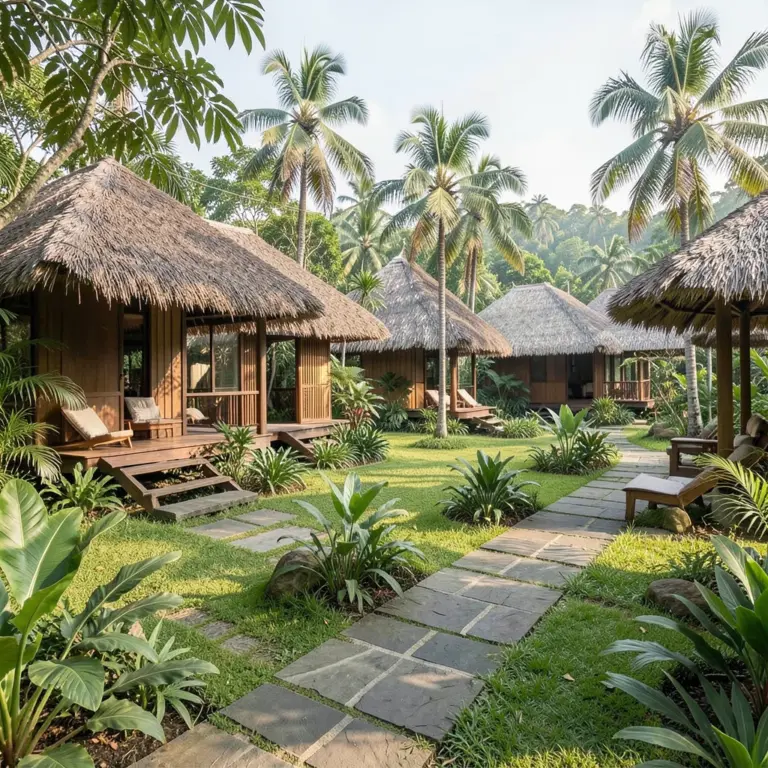
Malang’s Top Eco-Friendly Resorts for Sustainable Stays
- Malang’s Top Eco-Friendly Resorts for Sustainable Stays
Embarking on a journey to Malang, East Java, offers more than just breathtaking landscapes; it presents an opportunity to engage with tourism responsibly. As the global consciousness for environmental preservation grows, so does the demand for accommodations that align with sustainable practices. This guide explores Malang’s top eco-friendly resorts, providing insights for travelers seeking to minimize their ecological footprint while enjoying a comfortable and enriching stay. Choosing an eco-friendly resort means supporting conservation efforts, local communities, and a healthier planet, all without compromising on the quality of your travel experience.
Finding the perfect blend of nature, comfort, and sustainability can transform your vacation into a truly meaningful experience. These selected resorts in Malang are not just places to stay; they are destinations that actively contribute to environmental well-being and community empowerment, making them ideal choices for the conscious traveler.
Why Choose Eco-Friendly Resorts in Malang?
Malang, with its lush natural beauty and commitment to preserving its environment, is a natural hub for sustainable tourism. Eco-friendly resorts in this region often implement a range of practices designed to protect the local ecosystems and support the community. These can include waste reduction programs, water conservation measures, renewable energy usage, sourcing local and organic food, and engaging in conservation projects. By choosing such accommodations, travelers directly contribute to the preservation of Malang’s pristine environments, from its verdant highlands to its rich biodiversity. Furthermore, these resorts often provide unique cultural immersion experiences, connecting guests with local traditions and livelihoods in an authentic and respectful manner.
Key Features of Sustainable Stays
Sustainable resorts distinguish themselves through a variety of thoughtful initiatives. Expect to find amenities that prioritize environmental impact, such as:
- Renewable Energy Sources: Many resorts utilize solar power for electricity and water heating.
- Water Conservation: Implementing rainwater harvesting, greywater recycling, and low-flow fixtures.
- Waste Management: Comprehensive recycling programs, composting organic waste, and reducing single-use plastics.
- Organic and Local Food: Restaurants often feature ingredients sourced from on-site organic gardens or local farmers, reducing food miles and supporting the local economy.
- Eco-Conscious Design: Buildings are often designed to blend with the natural landscape, using sustainable materials and passive cooling techniques.
- Community Engagement: Supporting local artisans, employing local staff, and contributing to community development projects.
Malang’s Top Eco-Friendly Resorts: A Curated Selection
While specific resort names can fluctuate and new establishments emerge, the ethos of sustainable tourism in Malang is strong. Travelers seeking eco-friendly options should look for resorts that highlight their green certifications or clearly outline their sustainability policies. Areas surrounding Bromo Tengger Semeru National Park and the cooler highlands are often home to lodges and resorts that emphasize harmony with nature. When booking, inquire about their specific eco-initiatives, such as their approach to waste management, energy sources, and community support programs. Many resorts also offer guided nature walks, educational tours on local flora and fauna, and opportunities to participate in reforestation activities, enriching the guest’s connection with the environment.
For those interested in a deep dive, researching resorts that have received recognition from environmental organizations or adhere to international sustainability standards can be a good starting point. The true value of these eco-resorts lies in their commitment to preserving the natural and cultural heritage of Malang for future generations.
Planning Your Sustainable Stay: A Checklist
To ensure your stay is as sustainable as possible, consider this checklist:
- Research Certifications: Look for resorts with recognized eco-labels or sustainability certifications.
- Inquire About Practices: Ask about their waste management, water usage, and energy sources.
- Support Local: Choose resorts that employ local staff and source local produce.
- Minimize Waste: Bring reusable water bottles, bags, and toiletries.
- Conserve Resources: Be mindful of water and electricity usage during your stay.
- Respect Wildlife: Avoid disturbing local flora and fauna.
- Engage Respectfully: Learn about and respect local culture and traditions.
Comparing Sustainable Resort Options
When comparing potential eco-resorts, consider the following factors:
| Feature | High Priority | Moderate Priority | Basic Consideration |
|---|---|---|---|
| Energy Source | Solar or other renewables | Energy efficiency measures | Standard grid power |
| Water Management | Rainwater harvesting, greywater recycling | Low-flow fixtures | Standard plumbing |
| Waste Reduction | Zero-waste policy, composting | Comprehensive recycling | Basic waste disposal |
| Local Sourcing | On-site garden, local farmers, artisans | Partnerships with local businesses | General procurement |
| Community Impact | Direct support, employment, cultural preservation | Donations to local causes | Minimal local engagement |
| Certifications | Internationally recognized eco-labels | Local or regional certifications | No formal certification |
Potential Challenges and Considerations
While the benefits of eco-friendly resorts are clear, travelers should be aware of potential challenges. Sometimes, the focus on sustainability might mean fewer luxury amenities than one might find in a conventional resort. For instance, water-saving measures might limit shower times or water pressure. Similarly, reliance on renewable energy could occasionally lead to power fluctuations during cloudy periods. It’s also important to manage expectations regarding food options; while locally sourced and organic food is a highlight, the variety might be less extensive than in larger establishments. Travelers should also research the resort’s exact location, as some eco-lodges might be situated further from popular tourist attractions, requiring more travel time. Being prepared for these aspects ensures a more enjoyable and understanding experience.
Conclusion
Malang offers a growing number of eco-friendly resorts that cater to the conscious traveler. By selecting accommodations that prioritize sustainability, you contribute to the preservation of this beautiful region’s natural and cultural heritage. These resorts provide an opportunity to connect with nature and local communities in a meaningful way, ensuring your travel experience is both enriching and responsible. Plan your next getaway to Malang with sustainability in mind and discover the true beauty of responsible tourism.
Frequently Asked Questions (FAQ)
Here are some common questions about eco-friendly resorts in Malang:
What makes a resort eco-friendly in Malang?
An eco-friendly resort in Malang typically implements practices such as renewable energy use, water conservation, effective waste management, sourcing local and organic food, and engaging in community and conservation initiatives.
Are eco-friendly resorts more expensive?
The cost can vary. While some eco-resorts may have higher initial investment costs, they often offer competitive pricing. The value lies in the unique experience and the contribution to sustainability.
How can I ensure a resort is genuinely eco-friendly?
Look for official eco-certifications, read reviews, check the resort’s website for detailed sustainability policies, and don’t hesitate to ask staff about their specific practices.
What are the benefits of staying in an eco-friendly resort for the local community?
Eco-friendly resorts often prioritize hiring local staff, sourcing goods and services from local businesses, and supporting community development projects, thereby creating economic opportunities and preserving local culture.