Explore Sumba’s Hidden National Parks: Trails, Wildlife, and Camping
Sumba, an island often overshadowed by its more famous neighbors, holds a treasure trove of natural wonders waiting to be discovered. Beyond its iconic Pasola festival and traditional villages, Sumba boasts a network of hidden national parks and protected areas, offering intrepid travelers a chance to connect with raw, untamed nature. If you’re seeking an adventure far from the usual tourist trails, exploring **Sumba’s hidden national parks** promises an unforgettable journey filled with unique wildlife, challenging trails, and serene camping opportunities.
This guide will lead you through the lesser-known natural sanctuaries of Sumba, detailing the best trails, the fascinating wildlife you might encounter, and essential tips for camping in these pristine environments.
Sumba’s Hidden National Parks: Unveiling Sumba’s Natural Gems
While Sumba may not have sprawling, internationally recognized national parks like some other Indonesian islands, its protected areas and vast wilderness offer a comparable, if not more intimate, experience. These regions are crucial for preserving Sumba’s unique biodiversity and cultural landscapes.
Key areas to consider for exploration include the rugged terrains of the western and central highlands, the coastal mangrove forests, and the savanna-like landscapes that define much of the island’s interior. These diverse ecosystems are home to endemic species and offer breathtaking vistas.
Trails for Every Adventurer
The trail network in Sumba’s natural parks is largely undeveloped, providing an authentic trekking experience. Routes range from gentle walks through savanna to challenging multi-day hikes across mountainous terrain. Local guides are invaluable for navigating these paths safely and discovering hidden gems.
Popular Trail Types:
- Savanna Treks: Traverse rolling hills dotted with unique flora, often leading to secluded waterfalls or panoramic viewpoints. These are generally moderate in difficulty.
- Highland Hikes: For the more experienced, these trails ascend Sumba’s central mountains, offering challenging climbs and rewarding views of the island.
- Coastal Walks: Explore the edges of the island, where rugged cliffs meet the turquoise ocean, sometimes leading to hidden coves and fishing villages.
Always be prepared for varying weather conditions and the lack of facilities on many trails. Informing a local contact about your itinerary is a crucial safety measure.
Encounters with Sumba’s Unique Wildlife
Sumba is a biodiversity hotspot, home to several endemic species. While large predators are absent, the island’s fauna is fascinating, particularly its birdlife and the iconic Sumba pony.
Key Wildlife to Spot:
- Sumba Pony: These sturdy, agile horses are found roaming freely in the grasslands and are a symbol of the island.
- Sumba Hornbill (Acredocheirus sumatranus): This critically endangered bird is a rare but spectacular sight for dedicated birdwatchers.
- Sumba Deer (Rusa timorensis): While not strictly endemic, they are a common sight in the more remote areas.
- Various Reptiles and Amphibians: Keep an eye out for unique geckos, lizards, and frogs that inhabit the diverse ecosystems.
Responsible wildlife viewing is paramount. Maintain a safe distance, avoid feeding animals, and minimize your impact on their habitat.
Camping Amidst Nature’s Grandeur
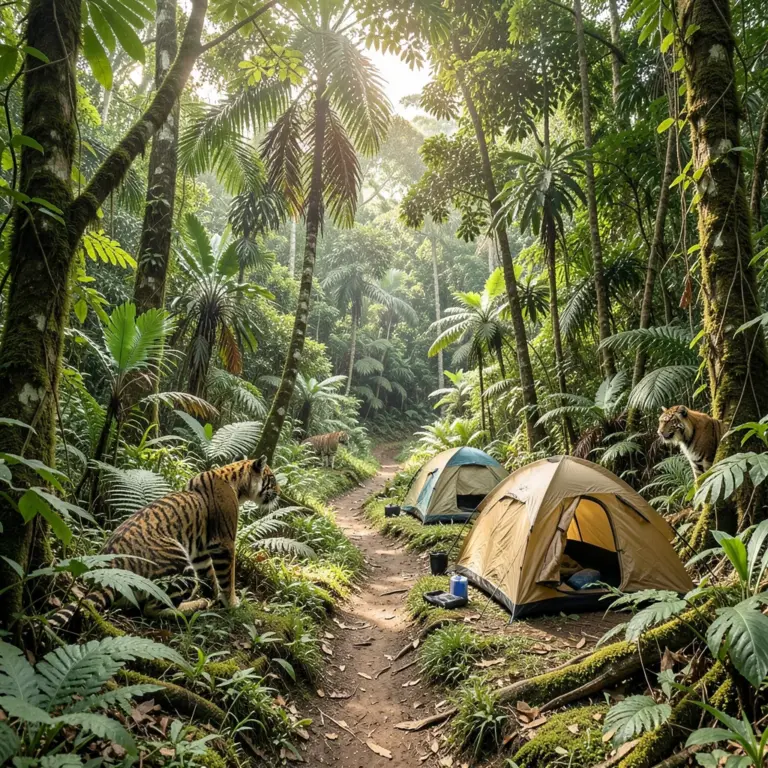
Camping in Sumba’s natural parks offers an unparalleled opportunity to immerse yourself in the island’s tranquility. Designated campsites are rare, so most camping is wild or semi-wild, requiring careful planning and respect for the environment.
Camping Essentials Checklist:
- Sturdy Tent: Capable of withstanding wind and rain.
- Sleeping Bag & Mat: For comfort and warmth.
- Portable Stove & Fuel: Open fires may be restricted or impractical.
- Water Filter/Purification Tablets: Reliable access to clean water is essential.
- First-Aid Kit: Comprehensive and well-stocked.
- Navigation Tools: Map, compass, and/or GPS device.
- Insect Repellent: Crucial for comfort and health.
- Food Supplies: Non-perishable items.
Always practice Leave No Trace principles: pack out everything you pack in, minimize campfire impacts, and respect wildlife. Obtaining permission from local village chiefs or authorities before setting up camp in undeveloped areas is highly recommended.
Planning Your Sumba National Park Adventure
Visiting **Sumba’s hidden national parks** requires more preparation than a typical vacation. Understanding the local conditions and respecting the culture are key to a successful and meaningful trip.
Best Time to Visit: The dry season, typically from May to September, offers the most favorable weather for trekking and camping. The wet season can bring heavy rains, making trails difficult and potentially dangerous.
Getting Around: Hiring a 4×4 vehicle and a local driver/guide is the most practical way to access trailheads and remote areas. Public transport is limited.
Local Etiquette: Always dress modestly when visiting villages, ask for permission before taking photos, and be respectful of local customs and traditions. Learning a few basic Indonesian or local phrases can go a long way.
Comparing Sumba’s Natural Areas
| Area Type | Typical Landscape | Wildlife Highlights | Activity Focus |
|---|---|---|---|
| Highland Wilderness | Rugged mountains, forests | Sumba deer, endemic birds | Challenging treks, camping |
| Savanna Plains | Rolling grasslands, scattered trees | Sumba ponies, various bird species | Moderate hikes, nature observation |
| Coastal Regions | Cliffs, beaches, mangroves | Coastal birds, marine life (offshore) | Coastal walks, scenic views |
Frequently Asked Questions (FAQ)
Q1: Are Sumba’s national parks easily accessible?
A1: Accessibility varies greatly. Some areas are reachable by 4×4, while others require multi-day treks. Many are not formally designated national parks but rather protected wilderness areas, meaning infrastructure is minimal.
Q2: Is it safe to camp in Sumba’s wilderness?
A2: With proper preparation, navigation, and local guidance, camping can be safe. It’s advisable to camp in areas known to locals and inform someone of your plans. There are no significant dangerous animals to worry about.
Q3: What is the best way to find reliable local guides?
A3: Engage with reputable local tour operators in Waingapu or Waikabubak, or ask for recommendations at your accommodation. Guides are essential for navigation, cultural insights, and safety.
Q4: Are there any specific permits required for these areas?
A4: While formal national park permits might not always apply to these less-developed areas, it’s wise to check with local authorities or village leaders. Sometimes a small fee or a letter of introduction from a guide is sufficient.
Conclusion
Sumba’s hidden natural parks offer an unparalleled adventure for those willing to venture off the beaten path. From challenging trails that test your endurance to serene camping spots under star-filled skies, the island’s wilderness provides a profound connection with nature. By respecting the environment, engaging with local communities, and preparing diligently, you can uncover the true, wild heart of Sumba.