Yogyakarta vs Raja Ampat Which Indonesian Paradise Fits Your Travel Style
- Yogyakarta vs Raja Ampat Which Indonesian Paradise Fits Your Travel Style
Indonesia, an archipelago of over 17,000 islands, is a traveler’s dream, offering an astonishing diversity of experiences. Two destinations that frequently capture the imagination are Yogyakarta, the cultural heart of Java, and Raja Ampat, an unparalleled marine biodiversity hotspot in West Papua. While both offer a taste of Indonesian paradise, they cater to vastly different travel styles and interests. Deciding between Yogyakarta vs Raja Ampat is about understanding what you seek from your Indonesian adventure: cultural depth and artistic flair, or pristine natural beauty and world-class underwater exploration? This guide will help you pinpoint the perfect match for your next unforgettable journey.
Choosing between these two iconic Indonesian destinations hinges on your definition of paradise. Are you drawn to ancient temples, vibrant arts scenes, and volcanic landscapes, or do you dream of crystal-clear waters teeming with marine life, untouched coral reefs, and remote island serenity? Let’s dive into a detailed comparison to help you make an informed decision.
The Allure of Yogyakarta: Culture, Art, and Adventure
Yogyakarta, often affectionately called ‘Jogja,’ is Java’s soul. It’s a city that breathes history, art, and tradition. Unlike the tropical island paradise often associated with Indonesia, Jogja offers a rich tapestry of cultural experiences, making it a compelling destination for those who appreciate heritage and local life.
Cultural Immersion and Historical Wonders
The Sultan’s Palace (Kraton) stands as the city’s majestic centerpiece, offering a glimpse into Javanese royal life. Nearby, the Taman Sari (Water Castle) provides a fascinating look at the former royal pleasure gardens. Beyond the city, the colossal Buddhist temple of Borobudur, a UNESCO World Heritage site, and the intricate Hindu temple complex of Prambanan, are unmissable. These ancient sites offer profound historical and spiritual insights, attracting visitors from around the globe.
Artistic Vibrancy and Culinary Delights
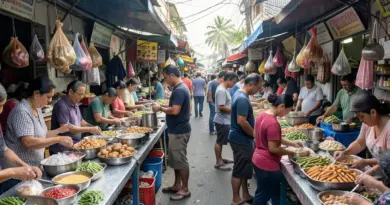
Yogyakarta is renowned as Indonesia’s art capital. Batik workshops, traditional puppet shows (Wayang Kulit), and street art are abundant. The streets are alive with creativity, from galleries showcasing contemporary artists to local artisans practicing age-old crafts. The culinary scene is equally vibrant, with local specialties like Gudeg (jackfruit stew) and Ayam Goreng (fried chicken) offering a true taste of Javanese cuisine.
Adventure Beyond the City
For the adventurous, the region surrounding Yogyakarta offers diverse activities. Explore the dramatic landscapes of Mount Merapi, an active volcano, through jeep tours or hiking. Discover hidden caves and stunning beaches along the southern coast, such as Indrayanti and Timang Beach, which offers a unique gondola ride over the waves.
Raja Ampat: The Crown Jewel of Marine Biodiversity
In stark contrast to Yogyakarta’s cultural richness, Raja Ampat is a remote archipelago in West Papua that is synonymous with pristine natural beauty and unparalleled marine life. Often lauded as the epicenter of marine biodiversity on Earth, it’s a dream destination for divers, snorkelers, and nature lovers.
Underwater Wonderland and Diving Paradise
Raja Ampat boasts over 1,500 species of fish and nearly 600 species of coral, making it a top-tier diving and snorkeling destination. Sites like the Dampier Strait, Misool, and Wayag offer breathtaking underwater vistas. Expect to see manta rays, reef sharks, pygmy seahorses, and a kaleidoscope of colorful corals. The clarity of the water and the sheer abundance of life are simply astonishing.
Island Hopping and Remote Serenity
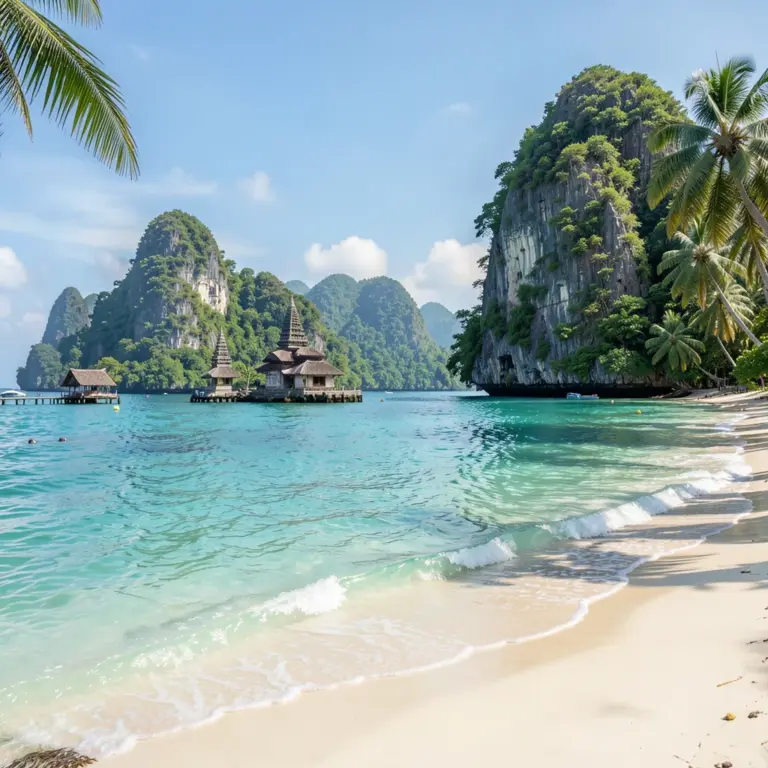
The archipelago comprises over 1,500 islands, cays, and shoals. Exploring these islands involves boat trips, often to dramatic karst formations rising from turquoise waters. Popular spots include Piaynemo for its iconic star-shaped lagoon viewpoint and Arborek Island, known for its welcoming village and vibrant coral gardens just offshore. The remoteness ensures a sense of tranquility and escape.
Conservation and Sustainable Tourism
Due to its ecological significance, conservation is paramount in Raja Ampat. Visitors are encouraged to practice responsible tourism, respecting marine life and local communities. Many resorts and dive operators are committed to sustainability. Understanding and adhering to these principles is crucial for preserving this fragile ecosystem.
Yogyakarta vs Raja Ampat: A Direct Comparison
To help you visualize the differences, here’s a breakdown:
| Feature | Yogyakarta | Raja Ampat |
|---|---|---|
| Primary Appeal | Culture, history, art, volcanoes, cuisine | Marine biodiversity, diving, snorkeling, pristine nature, island serenity |
| Best For | History buffs, art lovers, cultural explorers, adventure seekers (land-based) | Divers, snorkelers, marine enthusiasts, nature photographers, those seeking remote escape |
| Accessibility | Easily accessible by air (international and domestic flights) | Requires multiple flights and boat transfers, remote |
| Accommodation | Wide range from budget guesthouses to luxury hotels | Eco-lodges, dive resorts, homestays (often rustic) |
| Activities | Temple visits, museum tours, batik making, volcano trekking, city exploration, culinary tours | Diving, snorkeling, island hopping, bird watching, kayaking, visiting local villages |
| Pace | Can be busy, urban exploration with day trips | Relaxed, slow-paced, focused on nature and water activities |
| Budget | Generally more affordable, wide range of price points | Can be more expensive due to remoteness and specialized activities |
Who Should Visit Yogyakarta?
Yogyakarta is ideal for travelers who:
- Are fascinated by history and ancient civilizations.
- Love exploring vibrant art scenes and local crafts.
- Enjoy trying authentic local cuisine and street food.
- Seek a blend of cultural immersion and soft adventure on land.
- Prefer easier access and a wider range of amenities.
- Are on a more moderate travel budget.
Who Should Visit Raja Ampat?
Raja Ampat is the perfect destination for those who:
- Are passionate about marine life and underwater exploration.
- Dream of diving or snorkeling in some of the world’s most biodiverse waters.
- Seek ultimate tranquility and escape from the crowds.
- Appreciate raw, untouched natural beauty.
- Are willing to travel further and embrace a more remote experience.
- Prioritize conservation and responsible travel.
Planning Your Trip: Key Considerations
Regardless of your choice, planning is essential.
For Yogyakarta:
- Best time to visit: Dry season (May to September).
- Getting there: Fly into Adisutjipto International Airport (JOG).
- Getting around: Taxis, ride-sharing apps, becak (cycle rickshaws), and rental cars are available.
- Bookings: Book accommodations and popular tours in advance, especially during peak season.
For Raja Ampat:
- Best time to visit: Dry season (August to April), though diving is good year-round.
- Getting there: Fly to Sorong (SOQ) via major hubs like Jakarta or Makassar, then take a ferry or speedboat to Waisai, the capital of Raja Ampat. Many resorts also arrange private boat transfers.
- Getting around: Primarily by boat. Resorts often include boat services for diving and excursions.
- Bookings: Essential to book well in advance, especially for limited eco-lodges and dive centers. Consider package deals that include accommodation, meals, and diving.
- Permits: A conservation entry permit (PIN/KTP) is required for all visitors.
Conclusion
The choice between Yogyakarta and Raja Ampat boils down to your personal travel aspirations. If you seek a journey rich in culture, history, and art, with a touch of volcanic adventure, Yogyakarta awaits. If your heart beats for the underwater world, pristine beaches, and the serenity of remote island life, Raja Ampat is your ultimate paradise. Both offer a profound and unique experience of Indonesia, promising memories that will last a lifetime. Consider what truly ignites your wanderlust, and embark on the Indonesian adventure that calls to you.
Frequently Asked Questions (FAQ)
Q1: Is it possible to visit both Yogyakarta and Raja Ampat on the same trip?
A1: Yes, but it requires significant travel time and budget. Given the distance and the nature of each destination, it’s often recommended to dedicate separate trips or at least 2-3 weeks for a combined experience to avoid feeling rushed.
Q2: Which destination is better for families?
A2: Yogyakarta might be more generally suitable for families with diverse interests, offering cultural sites, educational opportunities, and varied activities. Raja Ampat is fantastic for families who are keen divers or snorkelers and can appreciate marine life, but the remoteness and focus on water activities might be less engaging for very young children or those not interested in the ocean.
Q3: What kind of accommodation can I expect in Raja Ampat?
A3: Accommodation in Raja Ampat ranges from basic homestays and rustic eco-lodges to more comfortable dive resorts. Luxury options are fewer and more exclusive. Electricity and amenities can be limited in more remote locations.
Q4: How much does it cost to visit Yogyakarta versus Raja Ampat?
A4: Yogyakarta is generally more budget-friendly. You can find a wide range of options from hostels to high-end hotels, and local food is very affordable. Raja Ampat, due to its remoteness and the specialized nature of its tourism (diving, boat trips), tends to be more expensive, especially for accommodation and organized tours.
Q5: What are the main risks or considerations for each destination?
A5: For Yogyakarta, the main considerations are managing the heat and humidity, being aware of traffic in the city, and respecting cultural norms. For Raja Ampat, the primary risks involve the remoteness (limited medical facilities, need for boat safety), the importance of responsible diving/snorkeling to protect the environment, and ensuring you have booked well in advance. Travel disruptions due to weather can also occur.
References
UNESCO World Heritage Centre – Borobudur Temple Compounds