Accessibility Travel in Indonesia: Wheelchair-Friendly Stays, Routes, and Practical Tips for Travelers
- Accessibility Travel in Indonesia: Wheelchair-Friendly Stays, Routes, and Practical Tips for Travelers
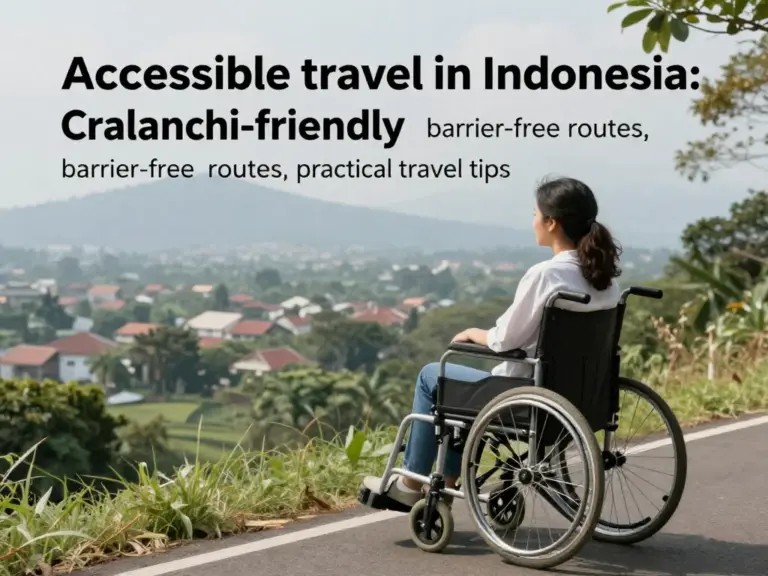
Exploring the archipelago’s diverse landscapes is a dream for many, but for those with mobility challenges, Accessibility Travel in Indonesia requires careful planning and local insights. While Indonesia is a developing nation with varying levels of infrastructure, major tourism hubs like Bali and Jakarta are making significant strides toward inclusivity. This guide provides a comprehensive look at how to navigate the ‘Emerald of the Equator’ from a wheelchair user’s perspective, ensuring your journey is as smooth as it is memorable.
Understanding the Landscape of Accessibility in Indonesia
Indonesia presents a unique set of challenges and opportunities for accessible travel. High curbs and uneven pavements are common in older city centers, but the warm hospitality of the Indonesian people often bridges the gap where infrastructure fails. In recent years, the government has prioritized ‘Wisata Ramah Disabilitas’ (Disability-Friendly Tourism), leading to better facilities at airports and major cultural sites. Understanding that ‘accessibility’ might involve a mix of modern ramps and helpful locals is key to enjoying your trip.
Wheelchair-Friendly Stays: Where to Book
When looking for accommodation, international hotel chains in Bali (Nusa Dua, Seminyak) and Jakarta (Sudirman, Thamrin) are your best bets. These establishments typically adhere to international accessibility standards, offering roll-in showers, grab bars, and wide doorways.
- Nusa Dua, Bali: This gated resort area is almost entirely flat with paved walkways connecting hotels and shopping centers.
- Jakarta Central Business District: Modern hotels like the Grand Hyatt or Pullman offer excellent accessibility and proximity to accessible malls.
- Yogyakarta: Look for luxury resorts near Borobudur that provide buggy services and ramp access to main dining areas.
Accessible Routes and Destinations
Not all routes are created equal. For a successful experience with Accessibility Travel in Indonesia, focus on these vetted locations:
1. The Cultural Heart of Bali (Uluwatu & Tanah Lot)
Uluwatu Temple has paved paths along the cliffside that are manageable with an assistant. Similarly, Tanah Lot has improved its pathways, allowing wheelchair users to view the offshore temple from the mainland gardens without navigating the beach rocks.
2. Jakarta’s Modern Hubs
The ‘TransJakarta’ bus system features many accessible stations with ramps and dedicated spaces. Shopping malls like Grand Indonesia and Plaza Indonesia are world-class in their accessibility, providing elevators and spacious restrooms.
Preparation is the secret to overcoming physical barriers. Keep these tips in mind:
| Category | Recommendation |
|---|---|
| Transportation | Use ‘Blue Bird’ or ‘Silver Bird’ taxis; they are reliable and drivers are helpful with luggage. |
| Apps | Download ‘Grab’ or ‘Gojek’ for on-demand transport and food delivery. |
| Restrooms | Use malls or 5-star hotels; public street restrooms are rarely accessible. |
| Weather | Travel during the dry season (May–September) to avoid muddy paths and floods. |
The Importance of Local Assistance
In Indonesia, the concept of community is strong. If you encounter a flight of stairs or a steep curb, do not hesitate to ask for help. A simple “Bisa bantu saya?” (Can you help me?) goes a long way. Many travelers find that hiring a private driver with a large van (like a Toyota HiAce) for the duration of their trip is the most cost-effective and stress-free way to ensure mobility.
คำถามที่พบบ่อย (FAQ)
Is Bali wheelchair accessible?
Bali is the most accessible part of Indonesia. While the sidewalks in Ubud can be difficult, the resort areas of Nusa Dua and Sanur offer excellent paved paths and accessible beachfronts.
Are Indonesian airports equipped for disabled travelers?
Yes, major international airports like Soekarno-Hatta (Jakarta) and Ngurah Rai (Bali) provide assistance services, elevators, and accessible restrooms. It is recommended to notify your airline 48 hours in advance.
Can I rent a wheelchair in Indonesia?
Yes, there are specialized services in Bali and Jakarta that rent out manual wheelchairs, electric scooters, and even hospital beds for tourists. It is best to book these online before arrival.
Are the temples accessible?
Some are. Borobudur has a lift for wheelchair users to reach the lower levels, and Uluwatu has paved cliffside paths. However, many smaller village temples involve many steps and may not be accessible.
Which transport app is best for accessibility?
Grab and Gojek are essential. While they don’t have a specific ‘wheelchair’ car category yet, booking a ‘6-seater’ or ‘Large’ car ensures enough space for a wheelchair and equipment.
References
- Wonderful Indonesia Official Tourism Website
- Lonely Planet Accessible Travel Guide
- Bali Accessibility Services
- Understanding Accessibility Needs and Planning an Inclusive Indonesia Itinerary for Wheelchair Users
- Top Wheelchair-Friendly Cities and Accommodations in Indonesia: Bali, Jakarta, Yogyakarta, and Beyond
- Accessible Transportation and Route Guides: Airports, Trains, Ferries, and Wheelchair-Accessible Tours