Hidden Gems in Bali: 10 Places Most Tourists Miss
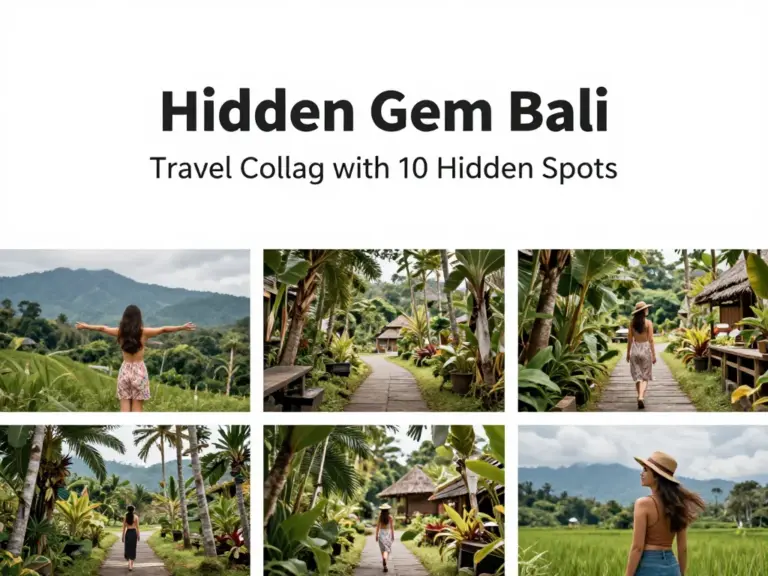
Bali is globally renowned for its bustling beach clubs, iconic rice terraces, and vibrant cultural hubs. However, beyond the well-trodden paths of Ubud and Seminyak lie incredible hidden gems in Bali waiting to be discovered. If you are a traveler looking to escape the crowds and experience the authentic soul of the island, this guide will introduce you to ten lesser-known locations that offer peace, natural beauty, and a deeper connection to Indonesian culture.
Why Seek Out Off-the-Beaten-Path Locations?
While the major tourist hotspots provide convenience and infrastructure, they often come with significant crowds and commercialization. Venturing into the quieter regions of Bali allows for a more sustainable form of tourism. It supports local economies in rural areas and offers a perspective on the island that remains untouched by mass tourism. Whether you are seeking solitude, untouched waterfalls, or traditional villages, these locations provide a refreshing alternative to the standard itinerary.
Top 10 Hidden Gems in Bali
Here is a curated list of ten spots that remain largely under the radar for the average visitor.
1. Sidemen Valley
Located in East Bali, Sidemen offers a glimpse of the island as it was decades ago. With sweeping views of Mount Agung and lush rice paddies, it is the perfect place for slow travel, trekking, and experiencing authentic Balinese village life.
2. Sekumpul Waterfall
Often cited as one of the most beautiful waterfalls in Bali, Sekumpul requires a trek to reach. Because of the effort involved, it remains far less crowded than the more accessible falls near Ubud.
3. Pemuteran
This quiet coastal village in the northwest is a haven for divers and snorkelers. The Biorock project here is a fascinating initiative to regenerate coral reefs, making it a must-visit for marine enthusiasts.
4. Munduk
Nestled in the misty highlands, Munduk is cooler than the coastal areas. It is famous for its coffee plantations, clove trees, and a collection of stunning, secluded waterfalls.
5. Nusa Penida’s Diamond Beach
While Nusa Penida is becoming popular, the steep descent to Diamond Beach keeps many casual tourists at the top, leaving the pristine white sands below relatively peaceful.
6. Amed
Amed is a collection of fishing villages with black sand beaches. It is a fantastic alternative to the southern beach towns, offering excellent diving and a relaxed, laid-back atmosphere.
7. Tirtagangga Water Palace
Though known to some, its remote location in the east keeps it quieter than other temples. The lush gardens and water features are incredibly photogenic and serene.
8. Sambangan Secret Garden
Located near the northern town of Singaraja, this area features a series of waterfalls and natural slides that provide an adventurous day trip for nature lovers.
9. Yeh Leh Beach
Unlike the soft sand beaches of the south, Yeh Leh is covered in thousands of large, smooth boulders. It is a unique geological site that offers a hauntingly beautiful landscape at sunset.
10. Jatiluwih Rice Terraces (Remote Areas)
While the main viewpoint is known, trekking deeper into the expansive UNESCO-listed Jatiluwih landscape will quickly lead you away from other visitors, allowing you to walk the paths in solitude.
Comparison of Popular vs. Hidden Areas
| Feature | Popular Tourist Areas (e.g., Kuta/Ubud) | Hidden Gems (e.g., Sidemen/Munduk) |
|---|---|---|
| Crowds | High | Low |
| Infrastructure | Developed/Convenient | Basic/Rustic |
| Authenticity | Commercialized | High |
| Cost | Variable (often higher) | Generally Lower |
Checklist for Exploring Remote Bali
- Rent a reliable scooter or hire a private driver familiar with the area.
- Download offline maps, as cellular service can be spotty in the mountains.
- Carry cash (Indonesian Rupiah), as ATMs are rare in remote villages.
- Dress modestly, especially when visiting temples or rural villages.
- Respect local customs and always ask permission before taking photos of people.
Conclusion
Bali is a diverse island that offers much more than its popular tourist hubs. By venturing out to these hidden gems, you not only avoid the stress of overcrowding but also gain a much richer appreciation for the island’s natural beauty and cultural heritage. Whether you choose the misty mountains of Munduk or the quiet shores of Amed, your journey will surely be more memorable for the paths less traveled.
Frequently Asked Questions (FAQ)
Yes, generally speaking, these areas are safe. However, they lack the same level of infrastructure and emergency services found in major cities. Always prioritize travel insurance and inform your accommodation of your plans when heading into remote areas.
Do I need a local guide for these locations?
While not strictly required for every location, a guide is highly recommended for waterfall trekking or exploring deep rural areas. They provide safety, cultural context, and navigation assistance, ensuring a smoother experience.
The dry season, from April to October, is generally the best time for trekking and outdoor activities. However, visiting during the shoulder months (April, May, September, October) can offer a better balance of good weather and fewer tourists.
How should I get around in remote Bali?
Renting a scooter is popular, but only if you are an experienced rider comfortable with winding, narrow roads. For most visitors, hiring a private driver for the day is the safest and most stress-free option for exploring multiple remote locations.
References
Wonderful Indonesia Official Tourism Portal
UNESCO World Heritage Centre