Best Ways to Travel Responsibly and Make a Positive Local Impact
As Indonesia continues to capture the hearts of travelers worldwide, the importance of tourism sustainability has never been greater. When we plan our adventures across the archipelago—from the lush jungles of Sumatra to the serene beaches of Bali—we hold the power to shape the future of these destinations. Learning to travel responsibly is not just about reducing your carbon footprint; it is about ensuring that your presence provides tangible benefits to the local communities and the fragile ecosystems you visit.
Understanding Responsible Tourism in Indonesia
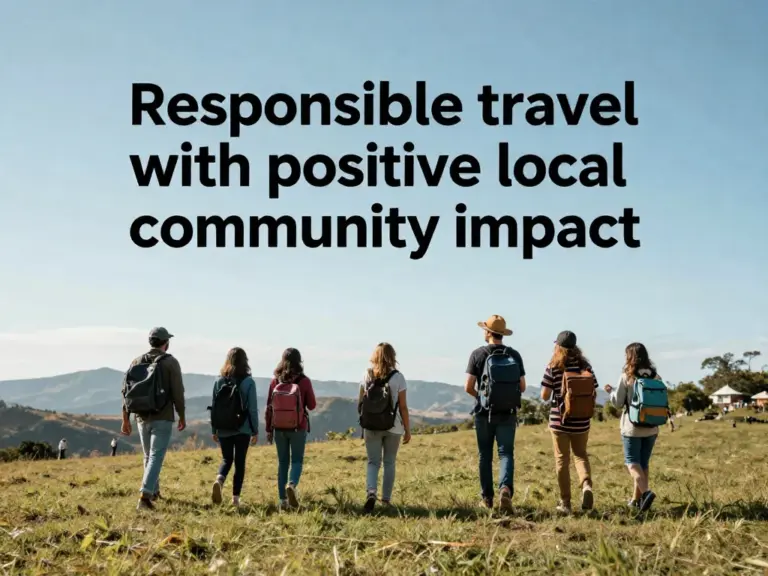
Responsible tourism is a mindset. It involves being conscious of your environmental impact, respecting cultural traditions, and ensuring your economic contributions stay within the local economy. In Indonesia, this means moving beyond the mass tourism hubs and engaging with local initiatives that prioritize conservation and community welfare. By choosing to travel responsibly, you become a steward of the places you explore, ensuring they remain vibrant for generations to come.
Ways to Make a Positive Local Impact
Creating a positive impact is easier than you might think. It is about making intentional choices that funnel resources back into the community. Here are the most effective strategies:
- Support Locally-Owned Businesses: Instead of booking international hotel chains, opt for locally-owned homestays or boutique eco-lodges. Eat at local warungs (small, family-owned restaurants) rather than global fast-food franchises.
- Hire Local Guides: When trekking volcanoes or exploring national parks, hire certified local guides. They offer authentic cultural insights and ensure your money directly supports local livelihoods.
- Respect the Environment: Indonesia’s natural beauty is its greatest asset. Avoid single-use plastics, participate in beach clean-ups if available, and stick to marked trails to prevent habitat disruption.
- Engage with Cultural Artisans: Purchase souvenirs directly from the craftspeople who make them. This preserves traditional Indonesian arts and provides fair income to skilled artisans.
The Role of Sustainable Transportation
Getting around Indonesia effectively while minimizing your environmental footprint is a challenge, but it is achievable. Whenever possible, utilize public transportation such as trains in Java or shared shuttle services. For shorter distances, consider renting bicycles or walking. If you must fly, try to offset your carbon emissions through reputable Gold Standard carbon offset programs.
Essential Resources for Responsible Travelers
| Action | Positive Impact |
|---|---|
| Buying Local Crafts | Preserves heritage and boosts local economy |
| Reducing Plastic Use | Protects marine ecosystems and beaches |
| Choosing Homestays | Direct financial benefit to local families |
คำถามที่พบบ่อย (FAQ)
What is the best way to travel responsibly in remote Indonesian areas?
The best approach is to hire a local guide and stay in locally-owned guesthouses. This ensures your presence is welcomed and your economic contribution remains in the community.
How can I avoid contributing to plastic waste while traveling?
Carry a reusable water bottle with a filtration system, bring a reusable shopping bag, and politely decline plastic straws or single-use packaging whenever possible.
Why is it important to buy local souvenirs?
Buying from local artisans prevents the mass-production of “tourist trinkets” and ensures that traditional skills are passed down to younger generations, keeping the culture alive.